Various pictures that didn’t fit the itinerary!

View from the hotel in Netanya (Day 1 Arrival) 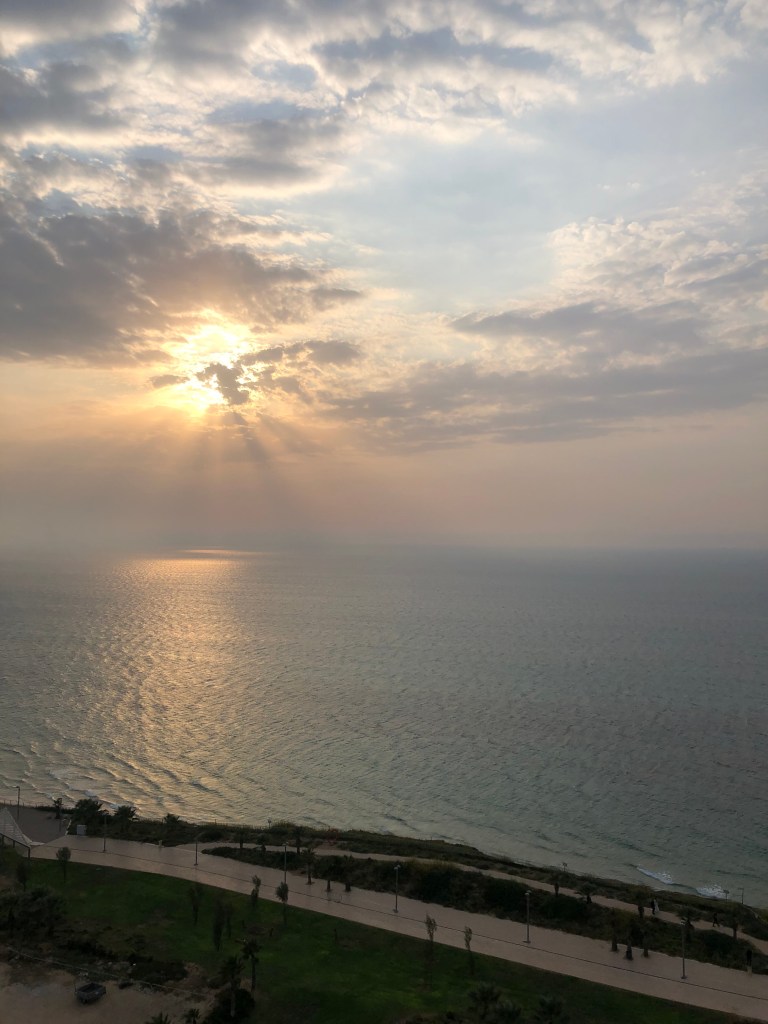
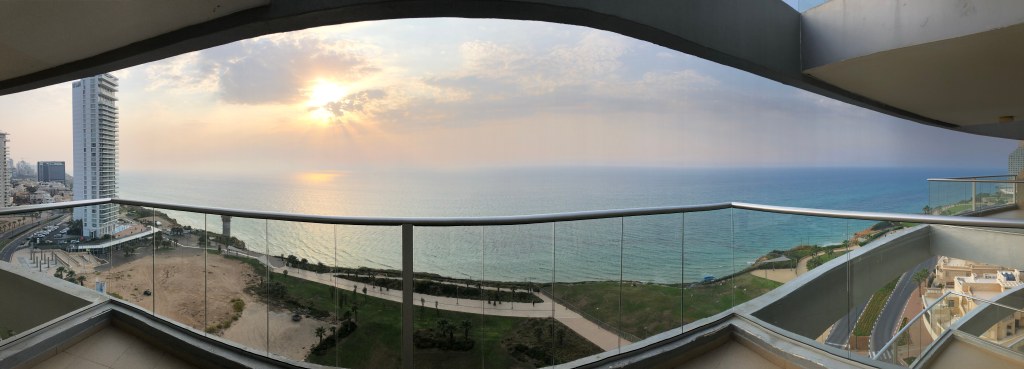
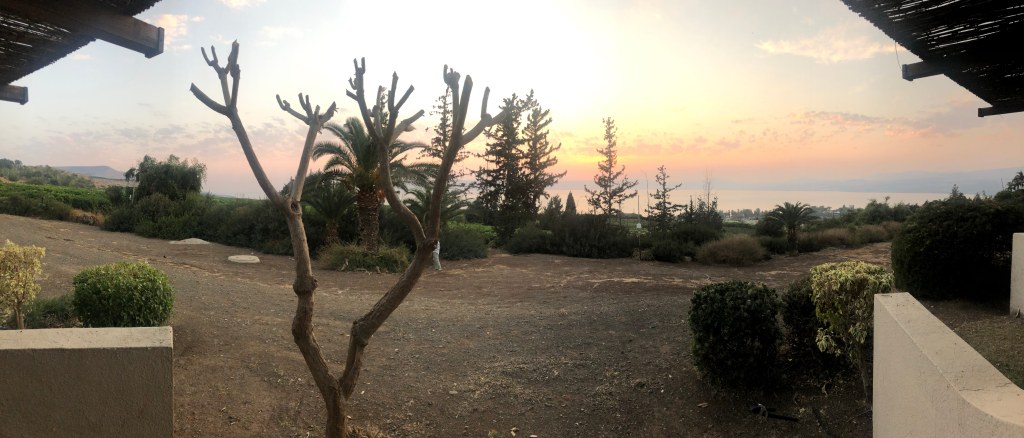
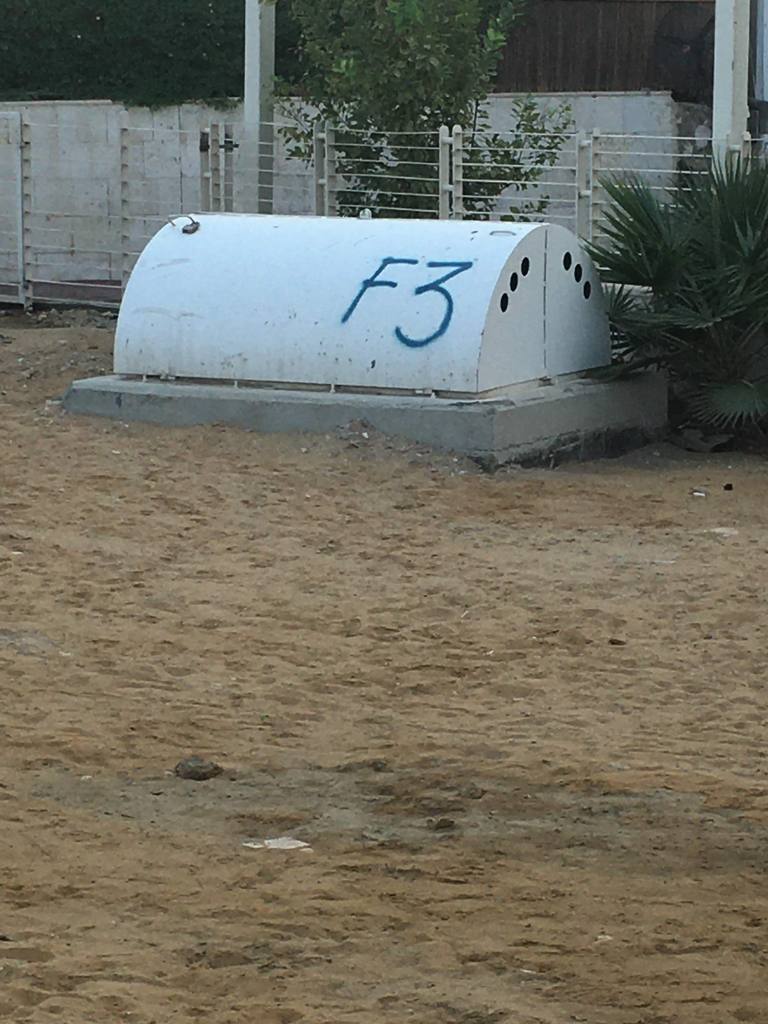
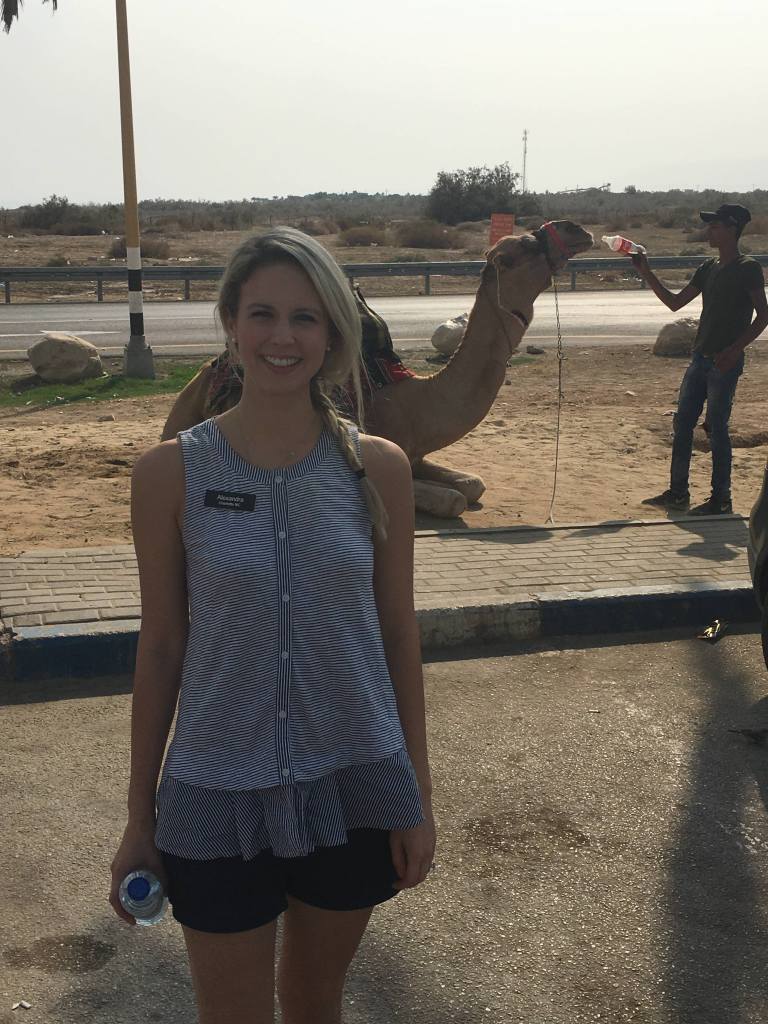
Aly with a camel drinking a coke 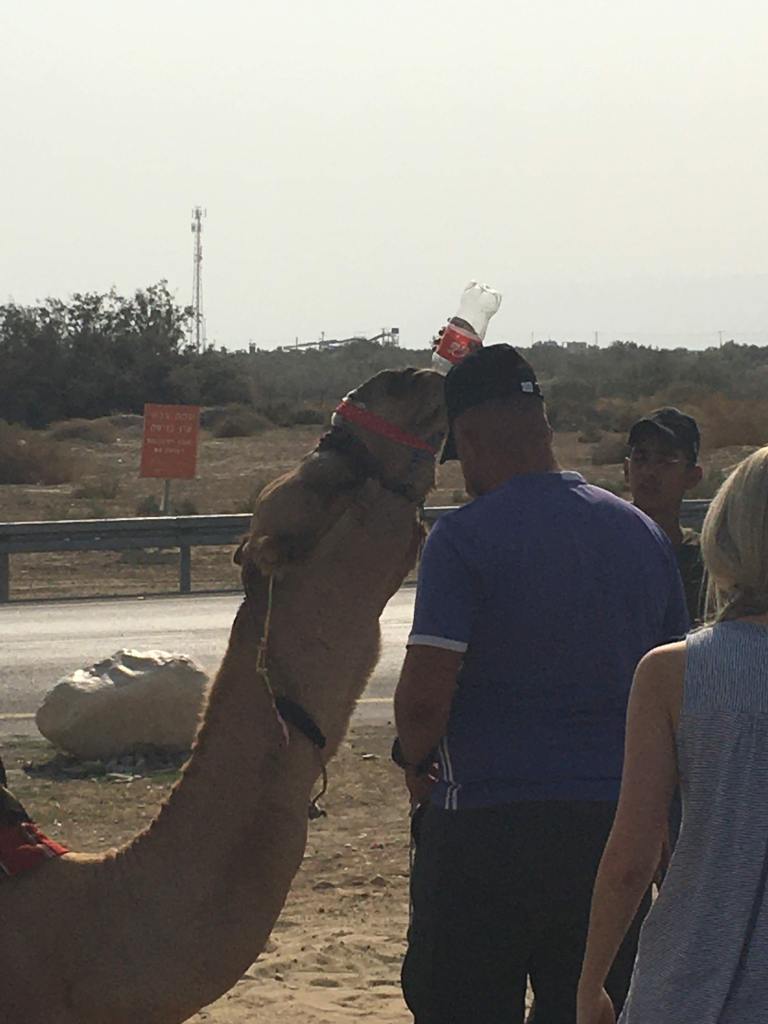
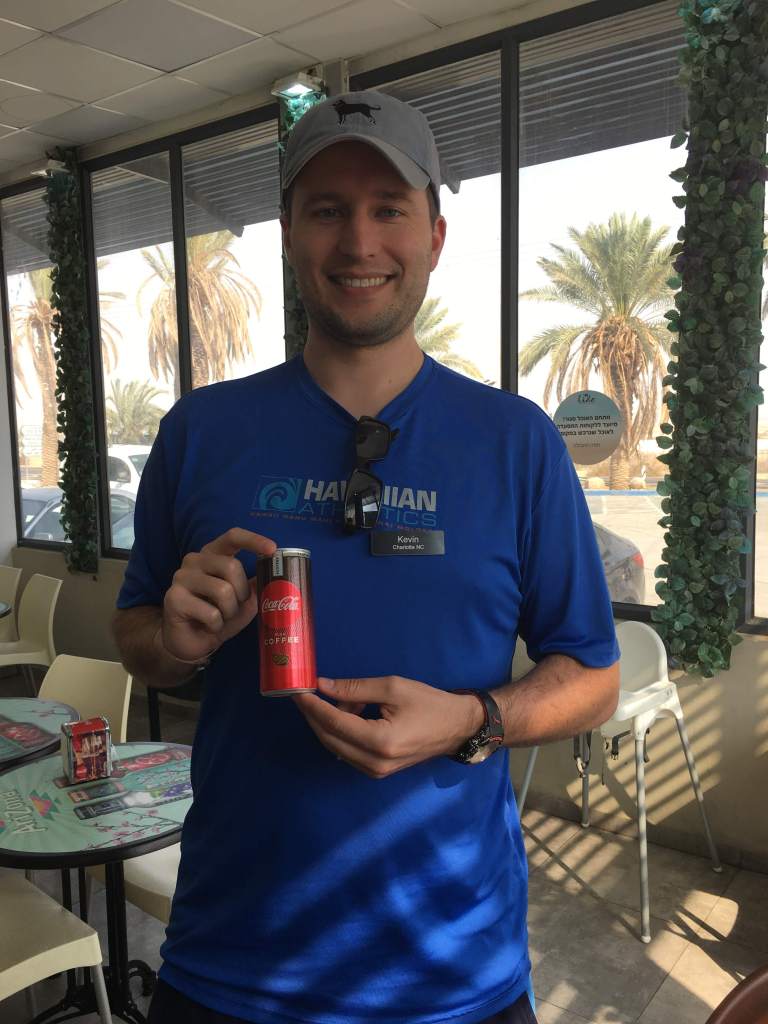
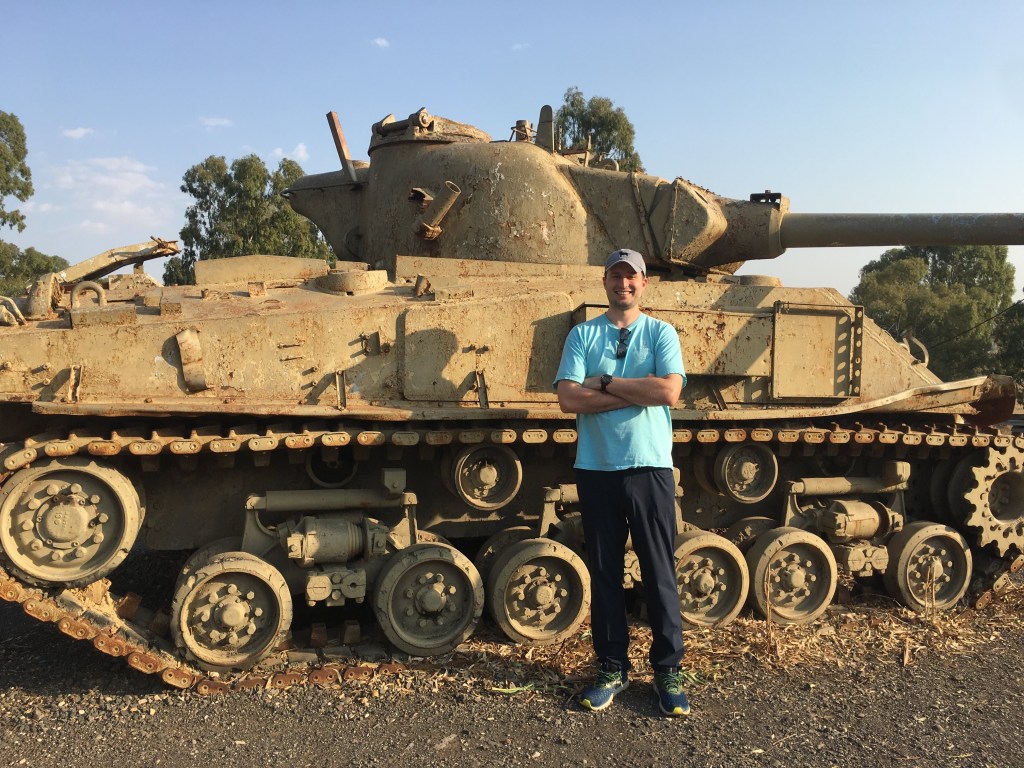
Tank in Golan Heights 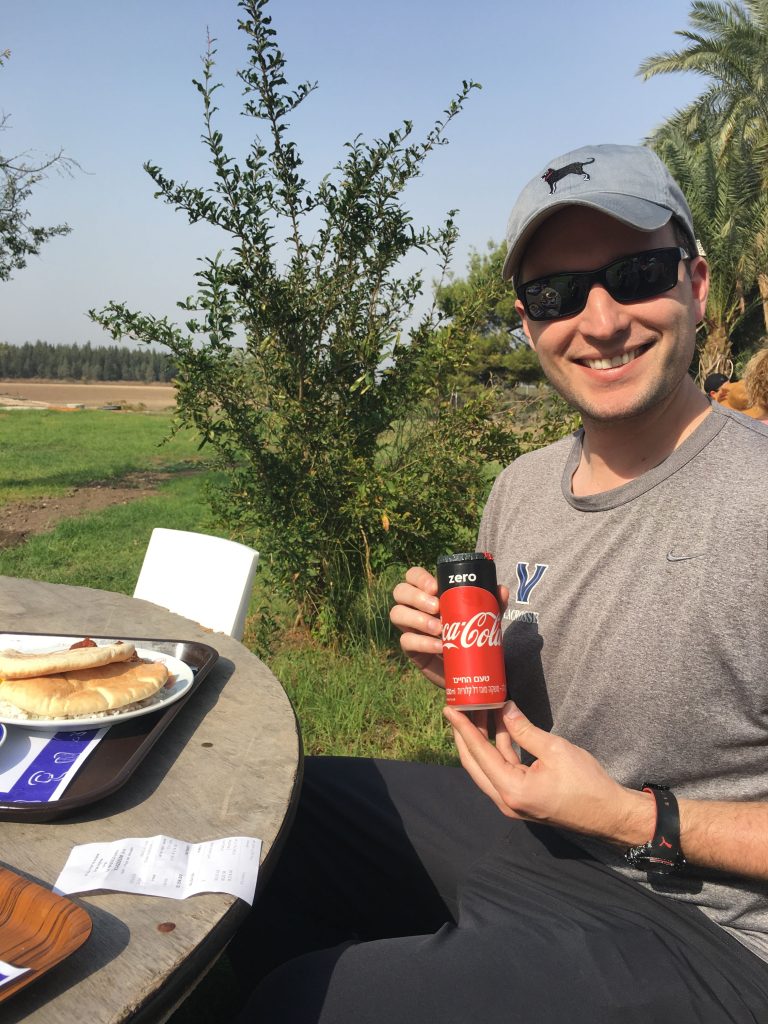
Various pictures that didn’t fit the itinerary!
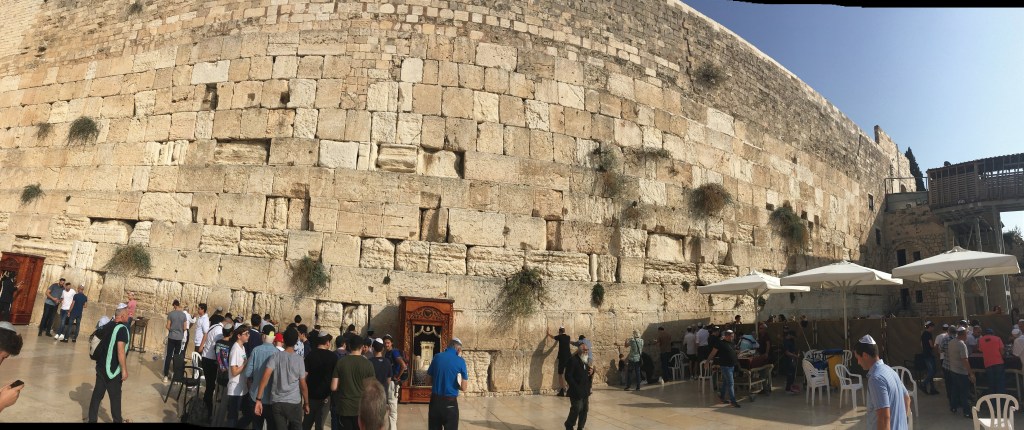
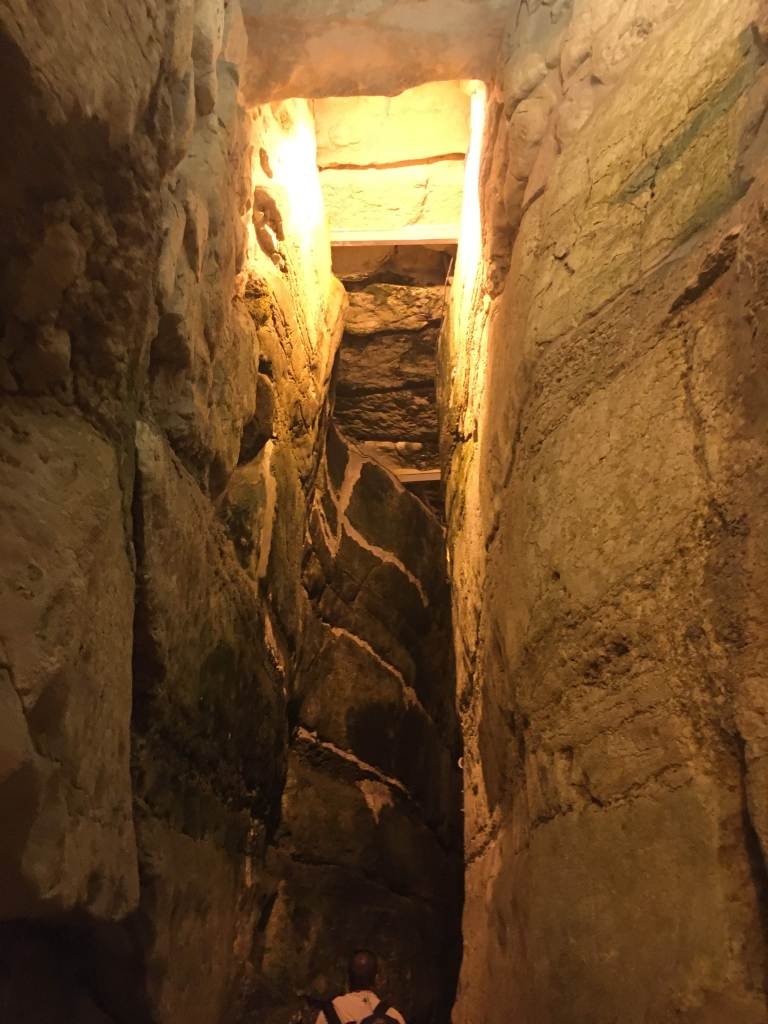
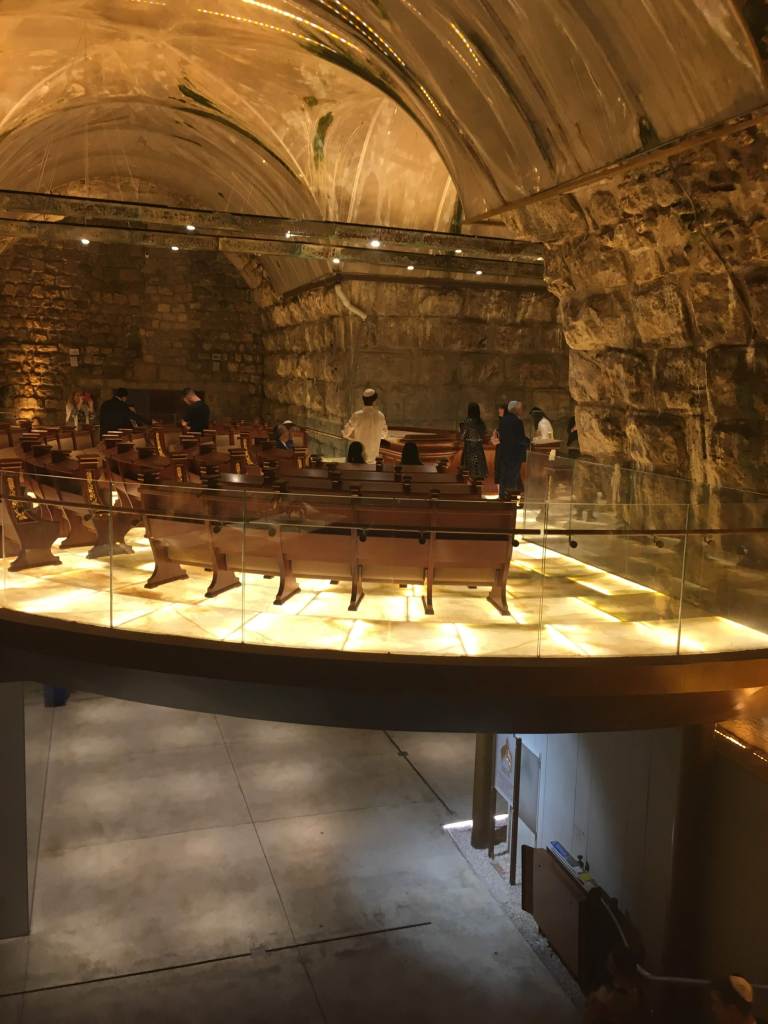
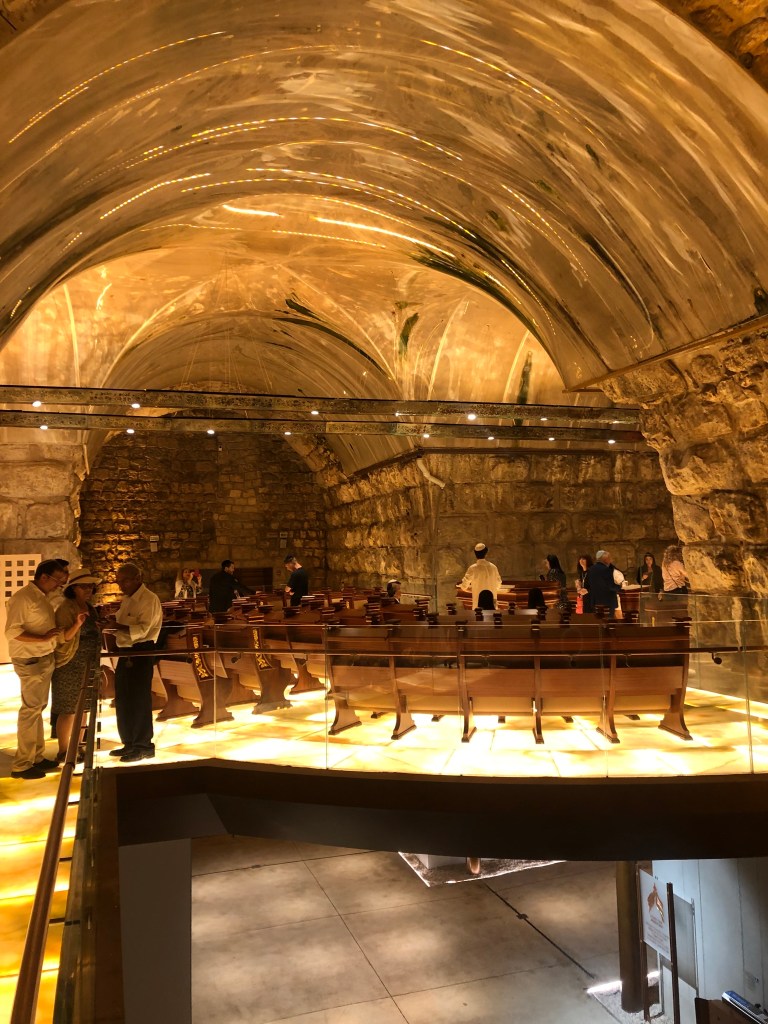
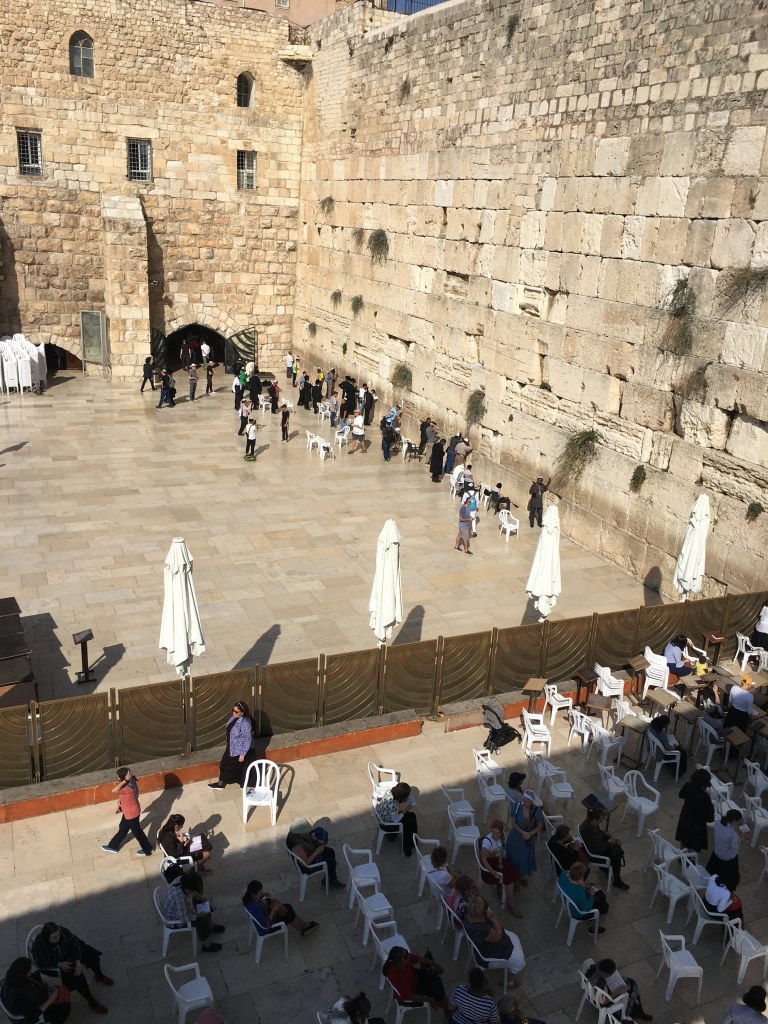
Reflection: When at the wailing wall, you can sense the power of prayer and the deep mourning of the Jewish people over the destruction of the temple. The rabbinical tunnel is like walking through history, and the newly built synagogue is particularly impressive.
Prayer: That we would marvel at the presence of God and appreciate the places in which he made His presence known to us.
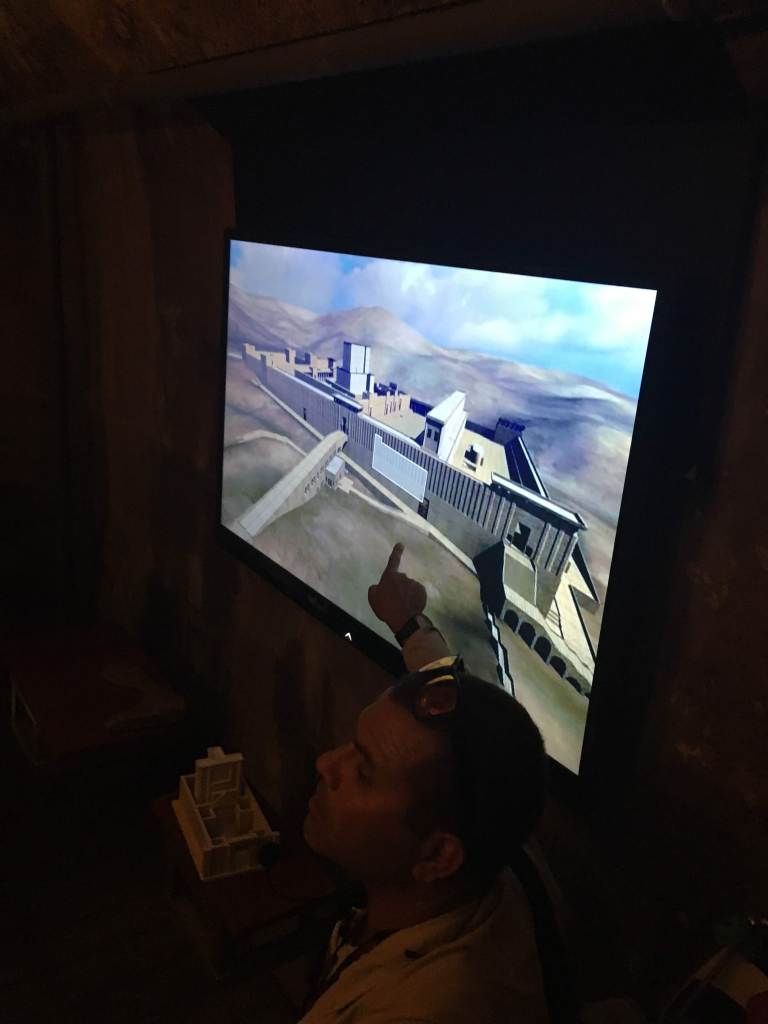
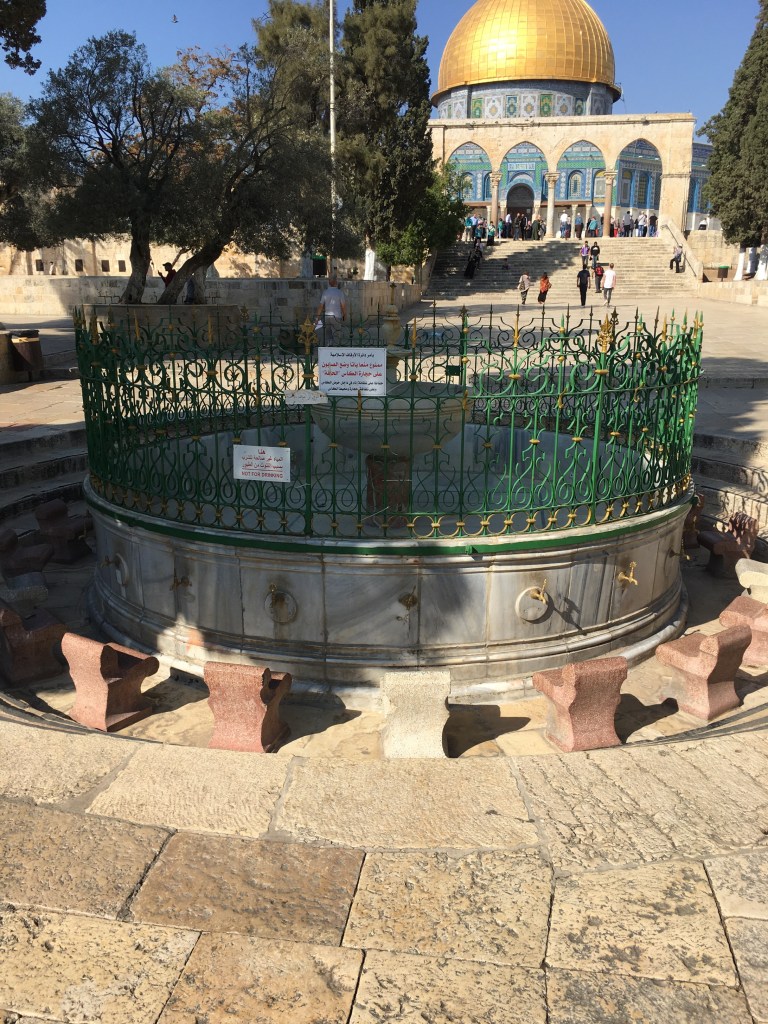
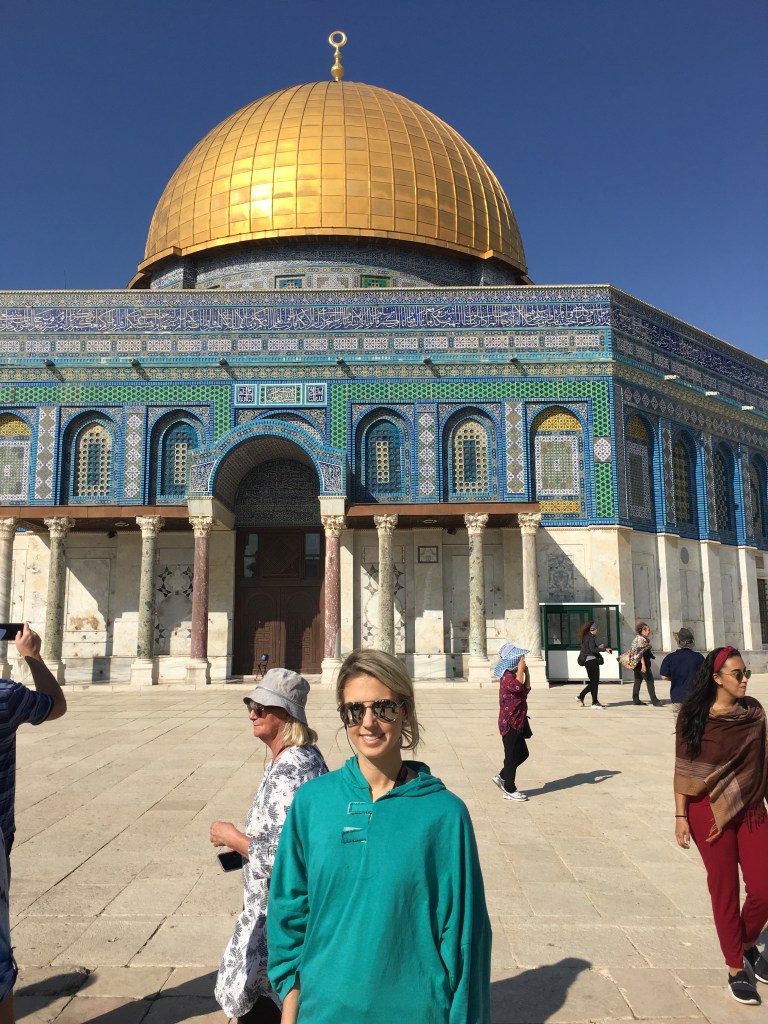
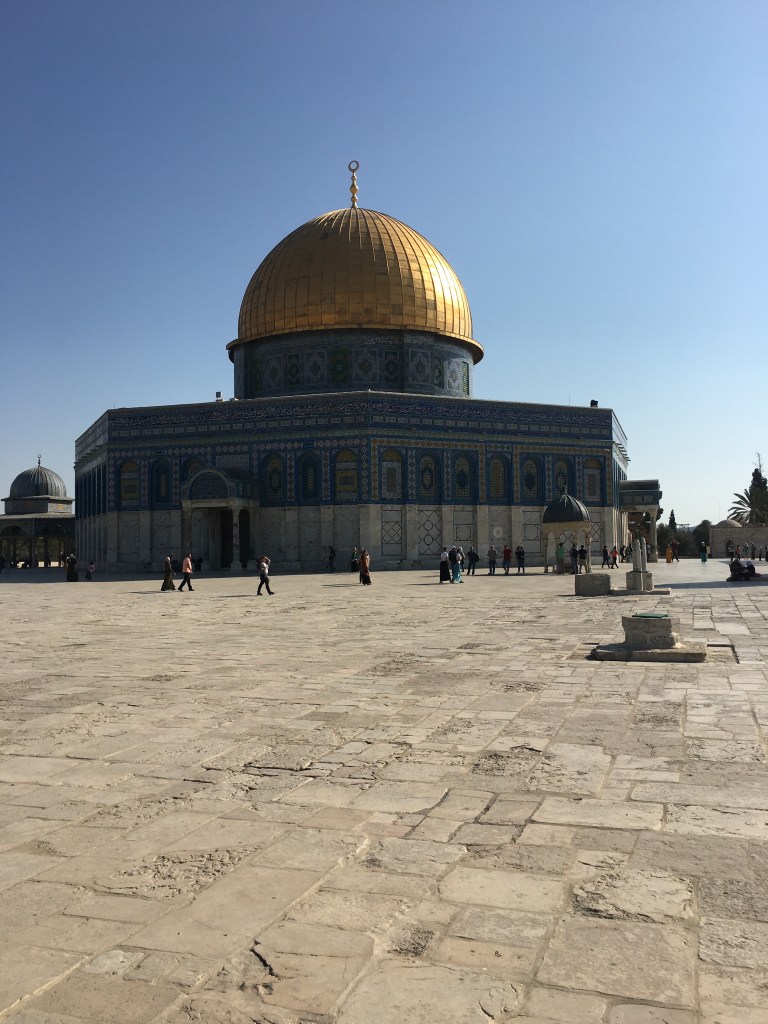
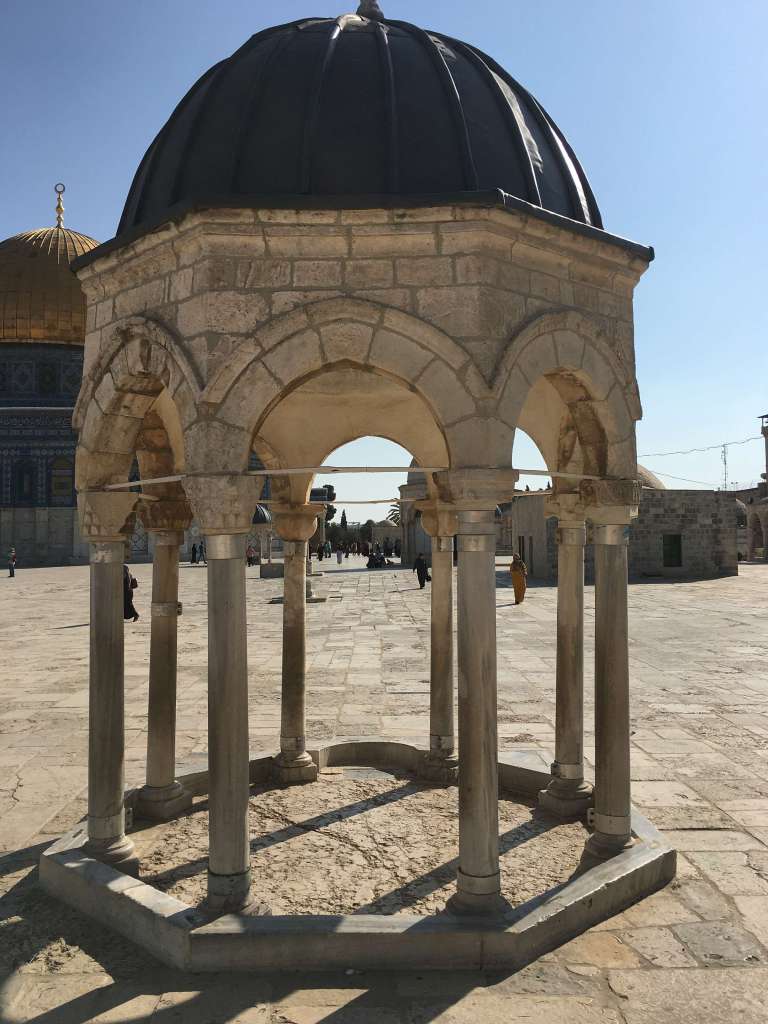
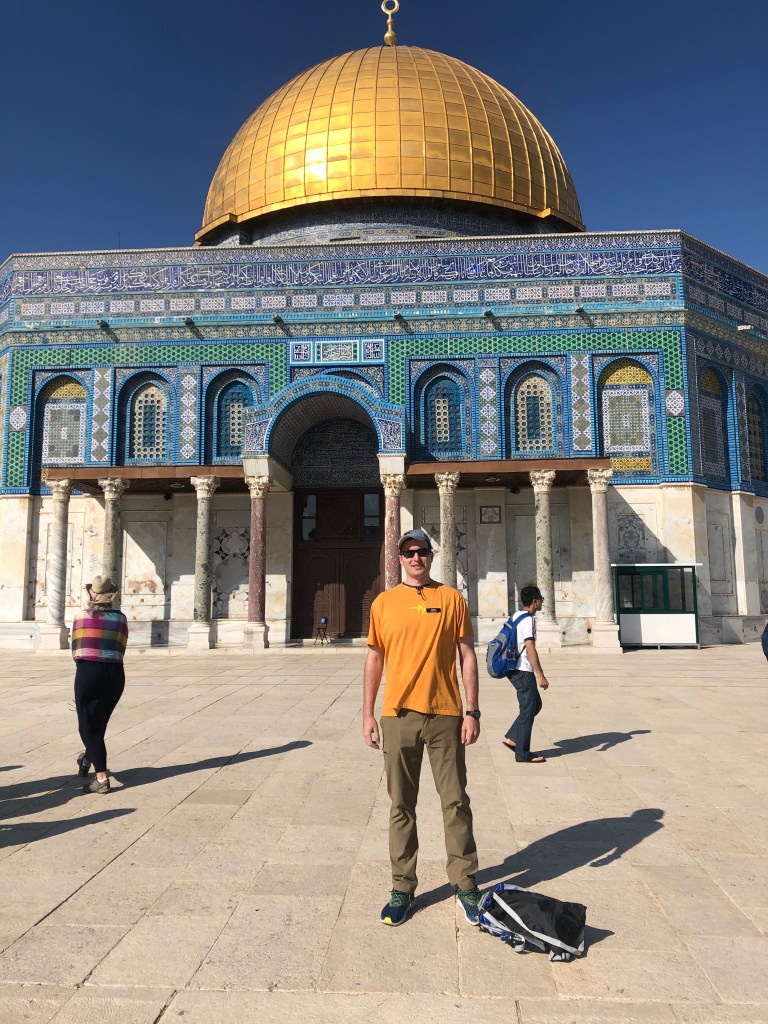
The Jewish Temple in Jerusalem is considered the holiest place in all of Judaism. The temple mount is the place where the Biblical temples were built, starting from King Solomon almost 3,000 years ago. The temple was built in 3 phases (Solomon, Zerubbabel, and Herod) and was destroyed by the Romans. The temple was never rebuilt again by the Jews, and replaced by the Muslim shrines in the 8th C AD which stand there today over the ruins of the base of the Roman period temple. The Jewish Temple in Jerusalem is considered the holiest place in all of Judaism.
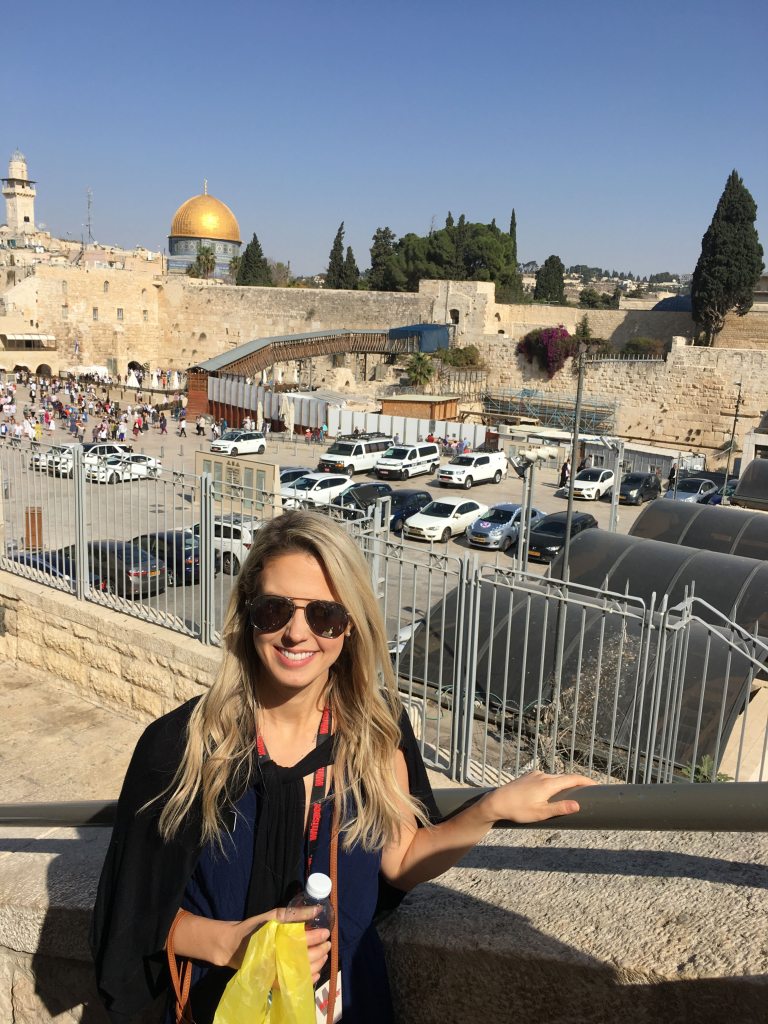
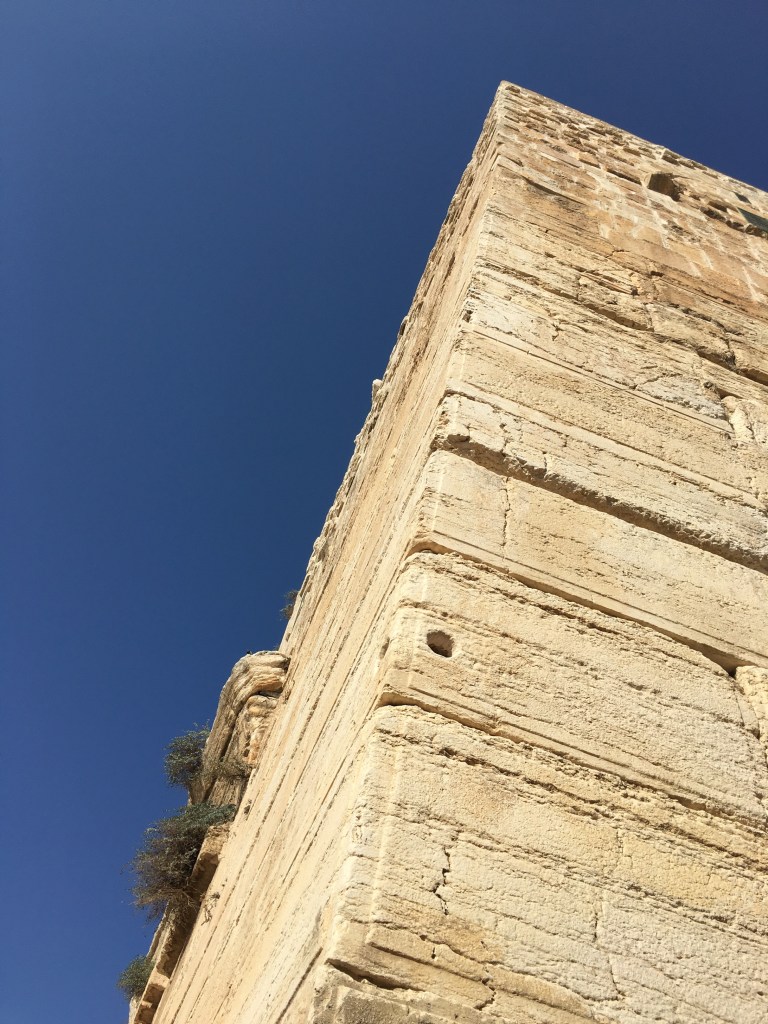
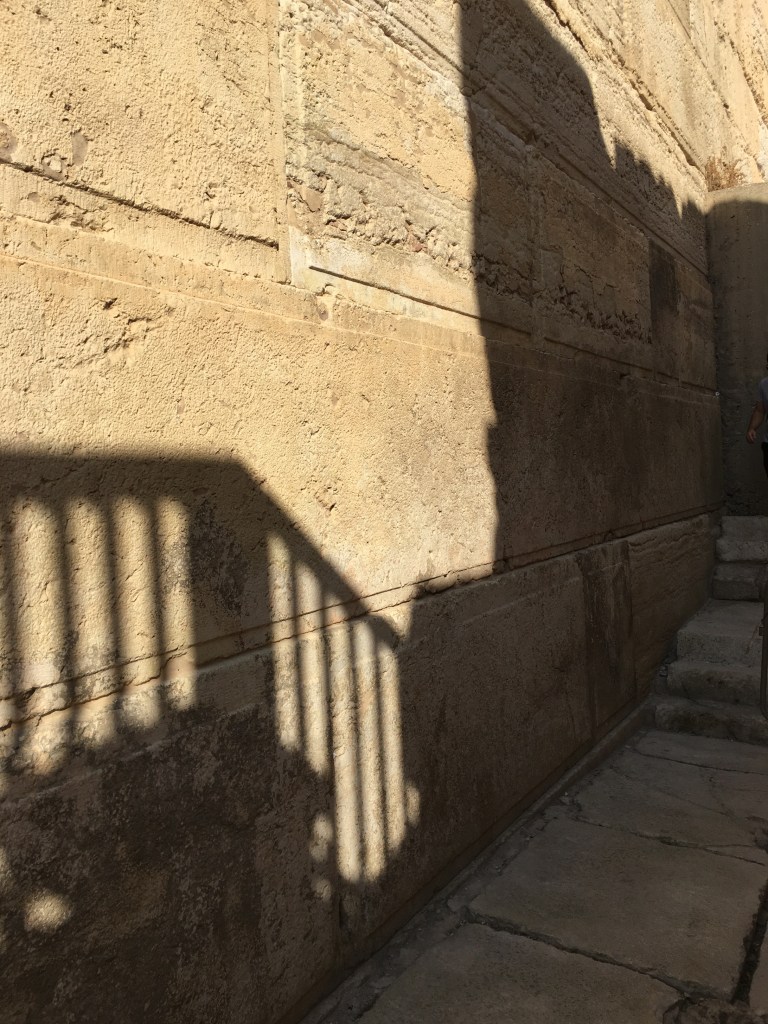
The Western Wall is a remnant of Herod’s grand temple, and is the most holiest site for Jews. It attracts thousands of Jewish worshippers daily, who come to pray and lay out their problems and seek for heavenly guidance. They feel the presence of God’s spirit, who according to their belief resides for thousands of years in the holy temple.
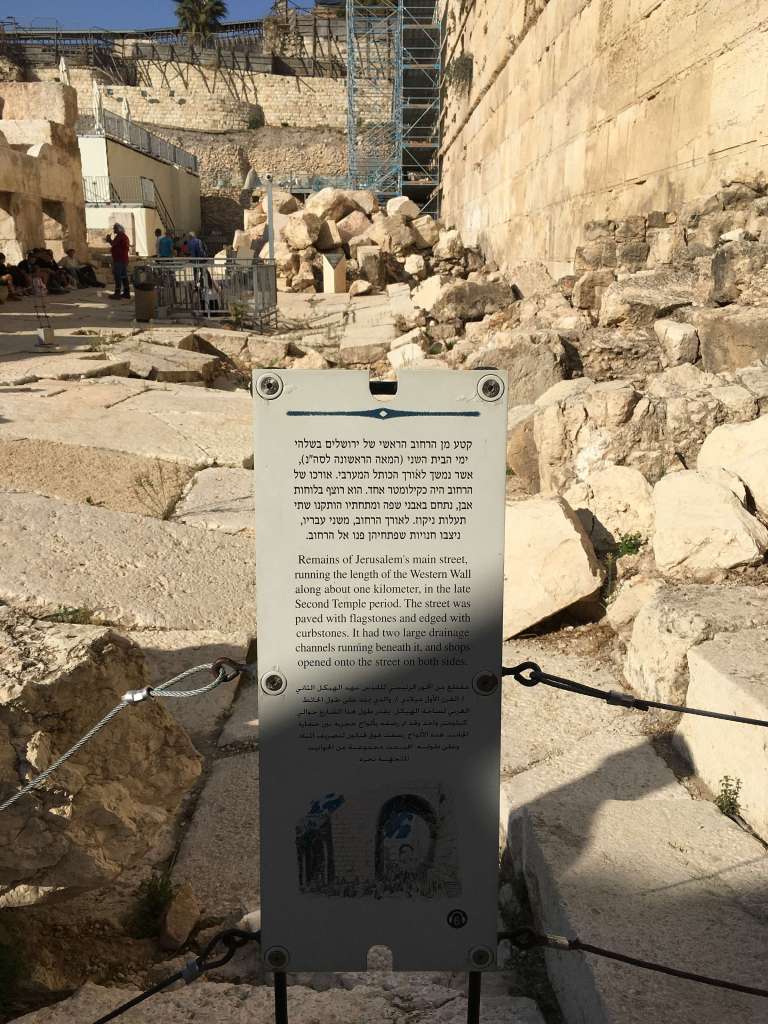
The tour of the western wall tunnels is one of the most popular tourist sites in Jerusalem. These underground tunnels connect the western wall prayer area to the north-west side of the temple mount, passing along the side of the temple mount and under the present day houses in the Old City. Along its path are remains from the second temple period, as well as structures from later periods. (Source: Biblewalks.com)


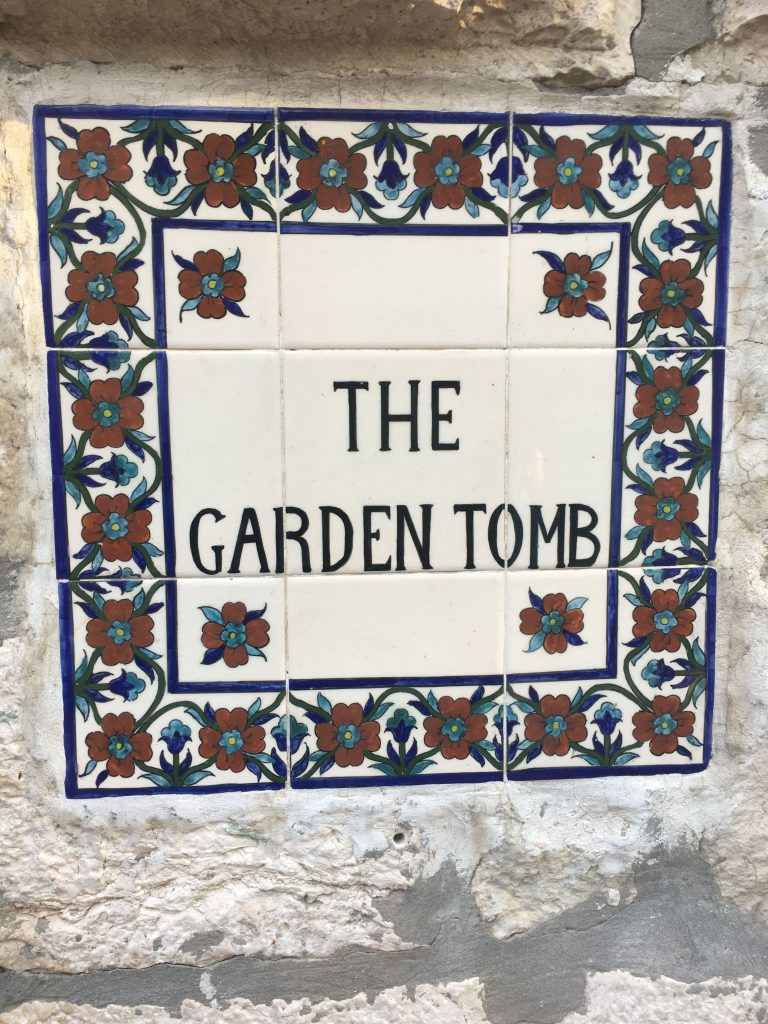
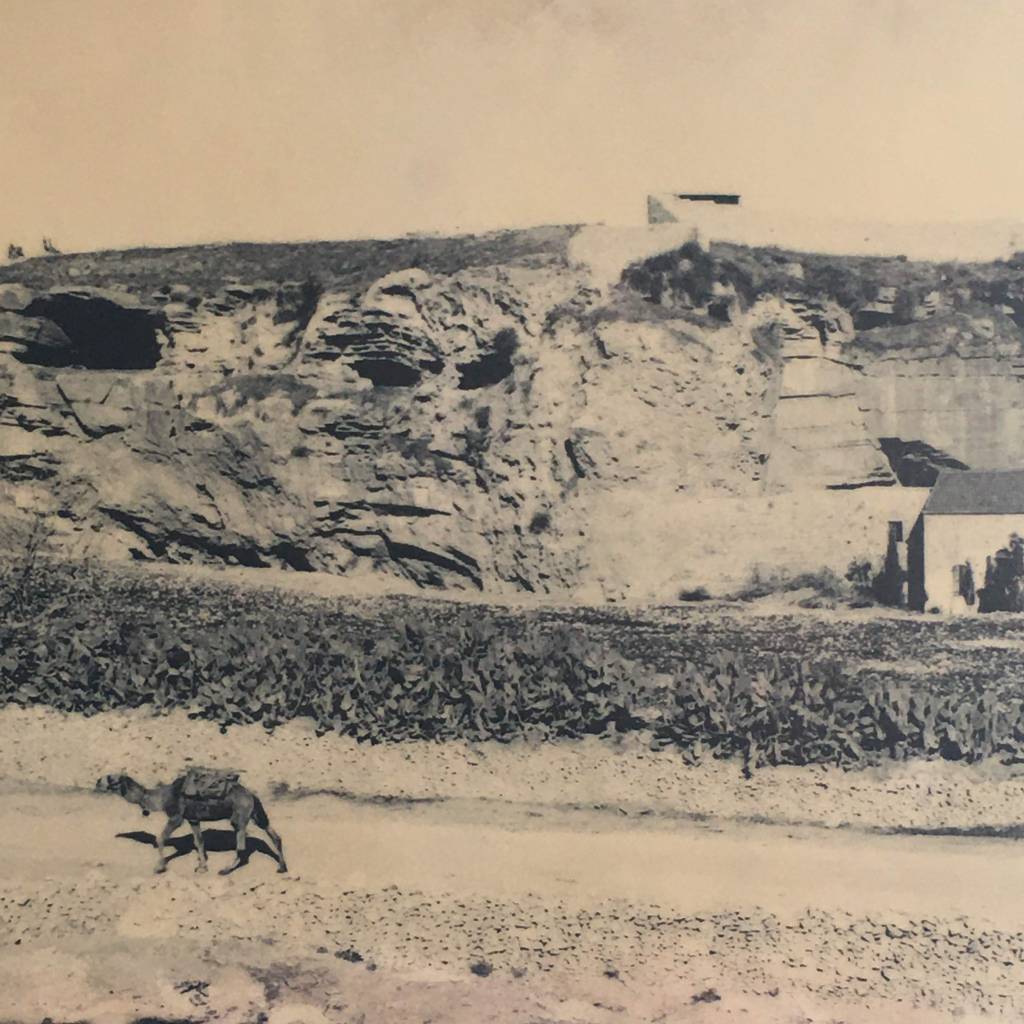
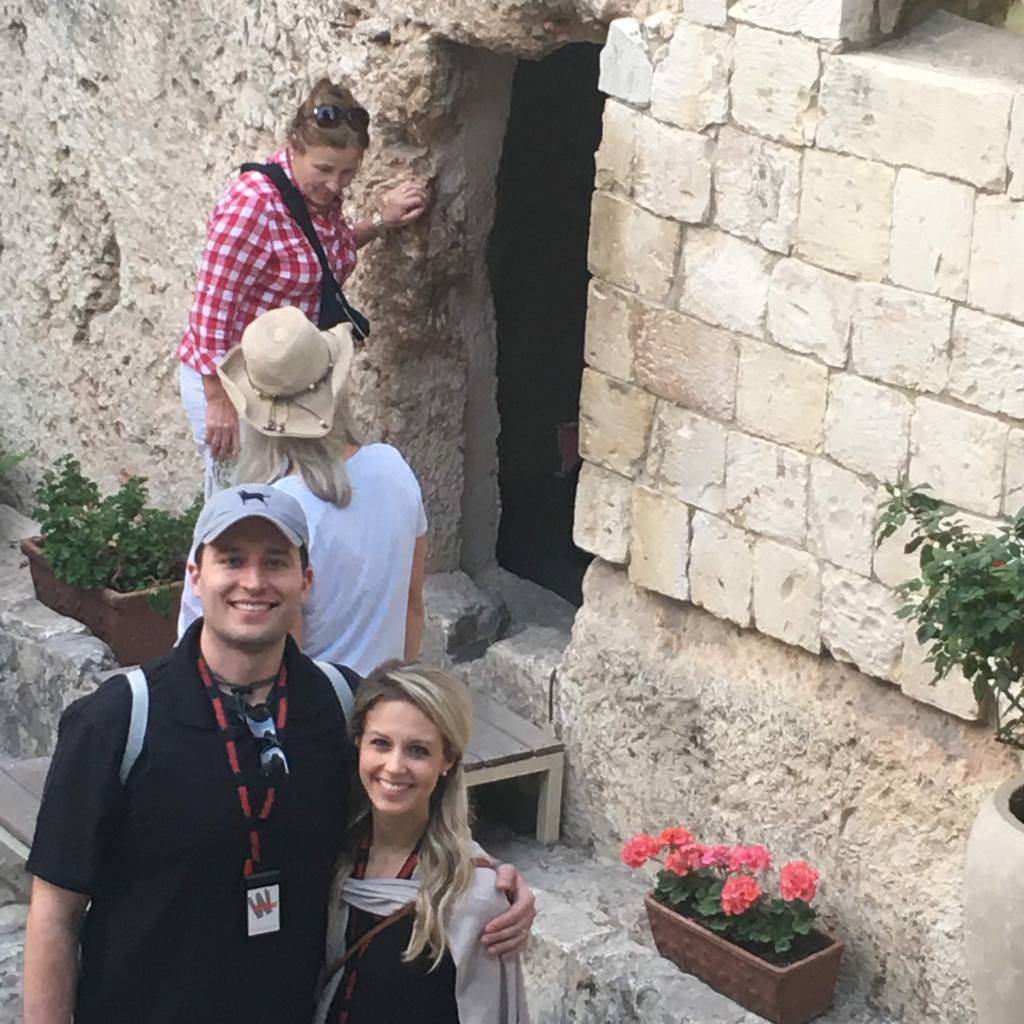
The Garden Tomb is the believed (speculated) sight of Jesus’ crucifixion and resurrection. Both the Church of the Holy Sepulchre and the Garden Tomb make this claim, but there is not any confirmed evidence at either location.
In the mix of the crowds and tourists everywhere, it’s important not to forget that Jesus defeating death is the basis of the Christian faith. Even if it didn’t happen in that exact spot, the real spot would not be more than a couple of blocks away. Roman crucifixions took place outside of the city walls along main roads as a warning sign to those entering the city. Which leaves a (relatively) small number of locations where it could have occurred. It is important to pray over and reflect on the sacrifice made by Jesus rather than getting too swept up in the crowds flocking to the sites.
With that in mind, the Garden Tomb was one of our absolute favorite sites in Jerusalem. There are beautiful gardens and designated areas for prayer and worship with your groups. It gives a feeling of peace and tranquility that is really unique inside the bustling city. So even if it’s not the exact site of the crucifixion and resurrection, it gives you space in a beautiful area to pray and reflect.
We had a service with the group and served communion. It was a fantastic spiritual experience and was one of our favorite moments on the trip.

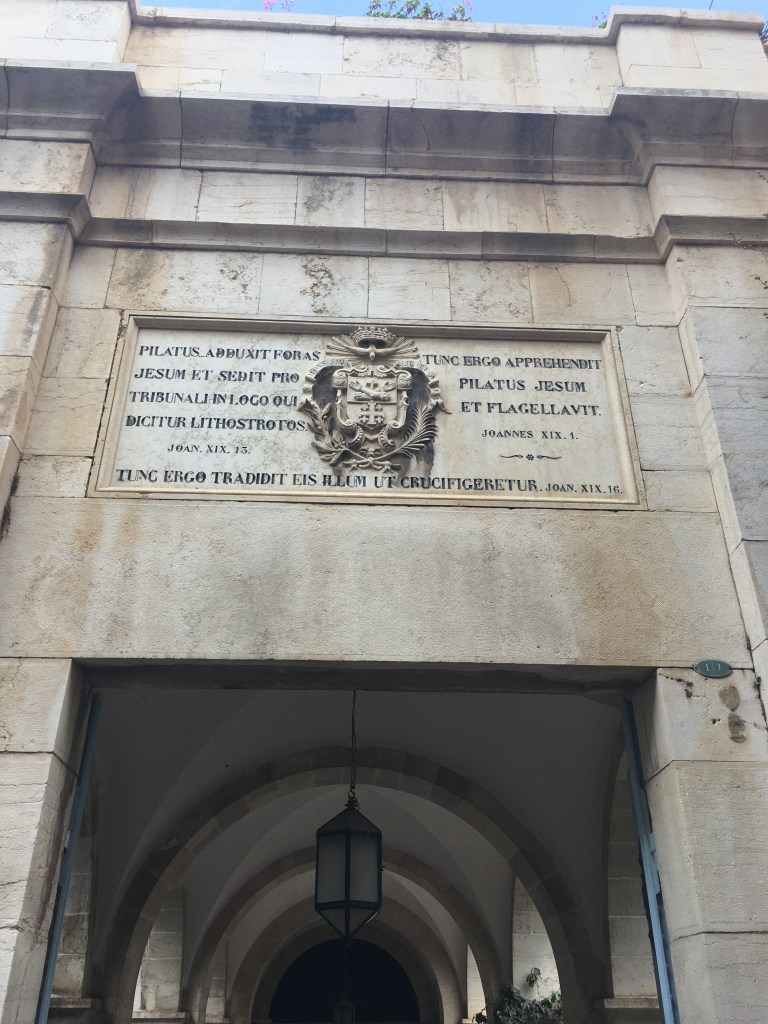
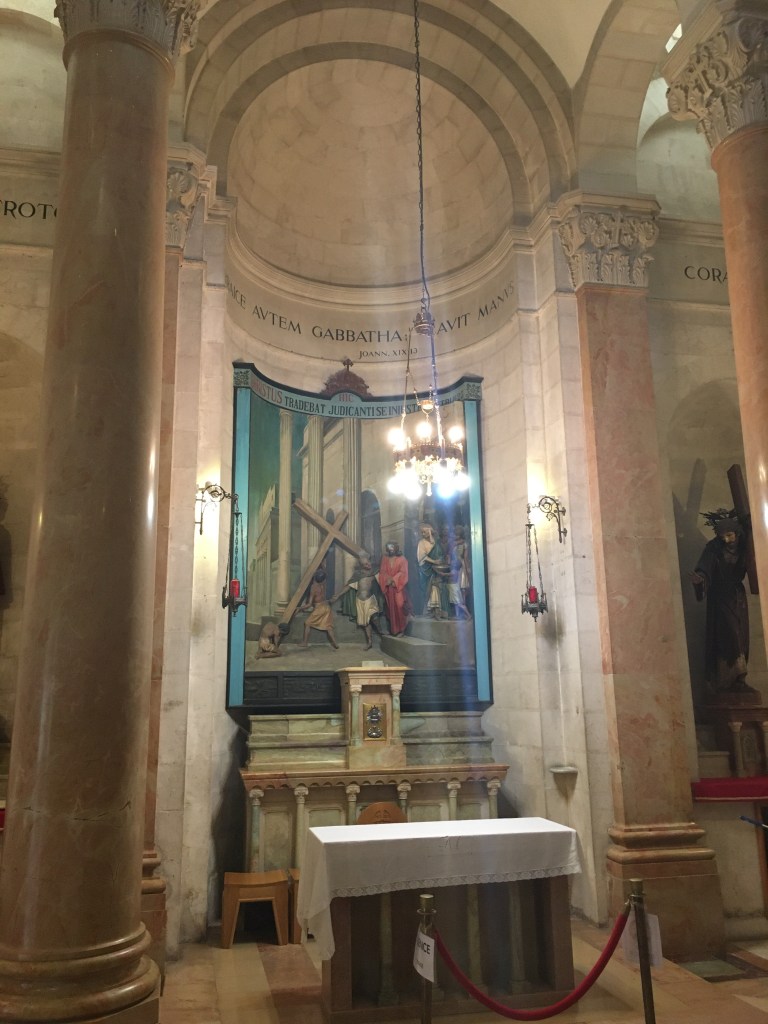
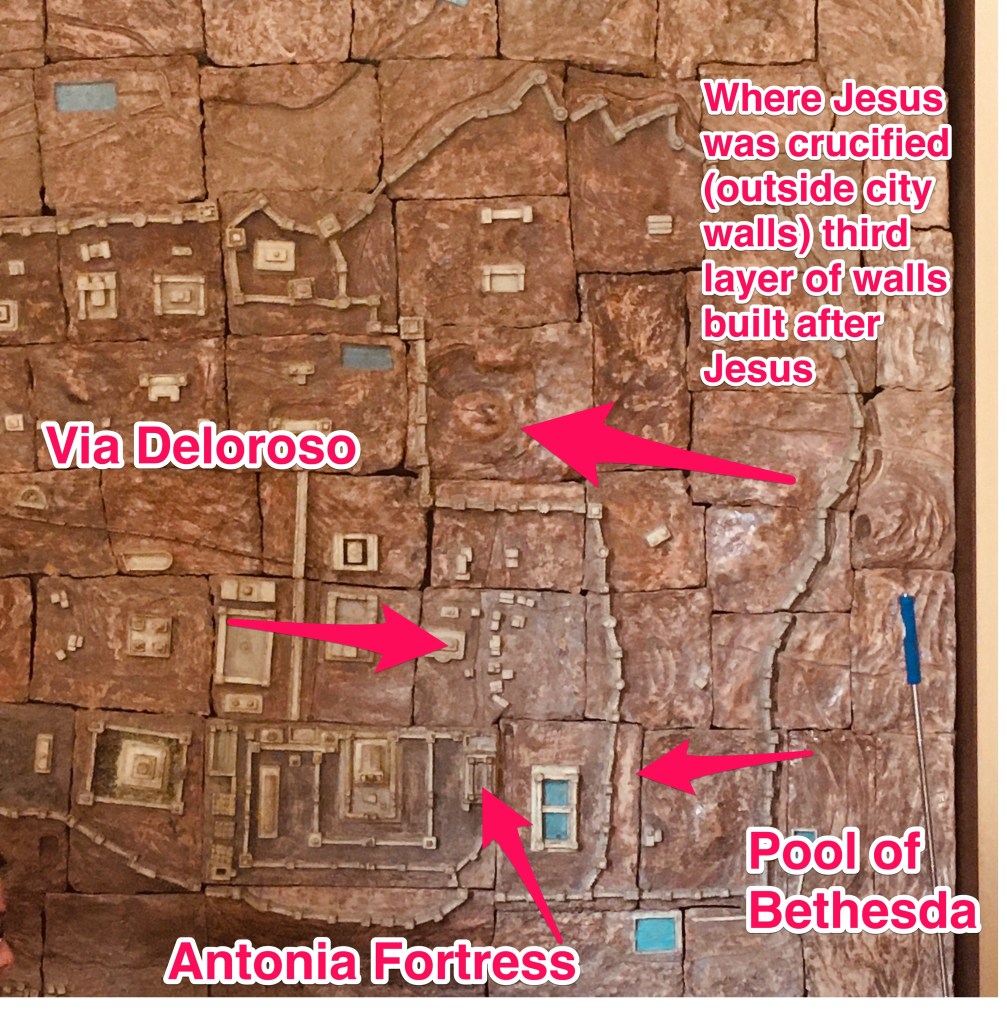
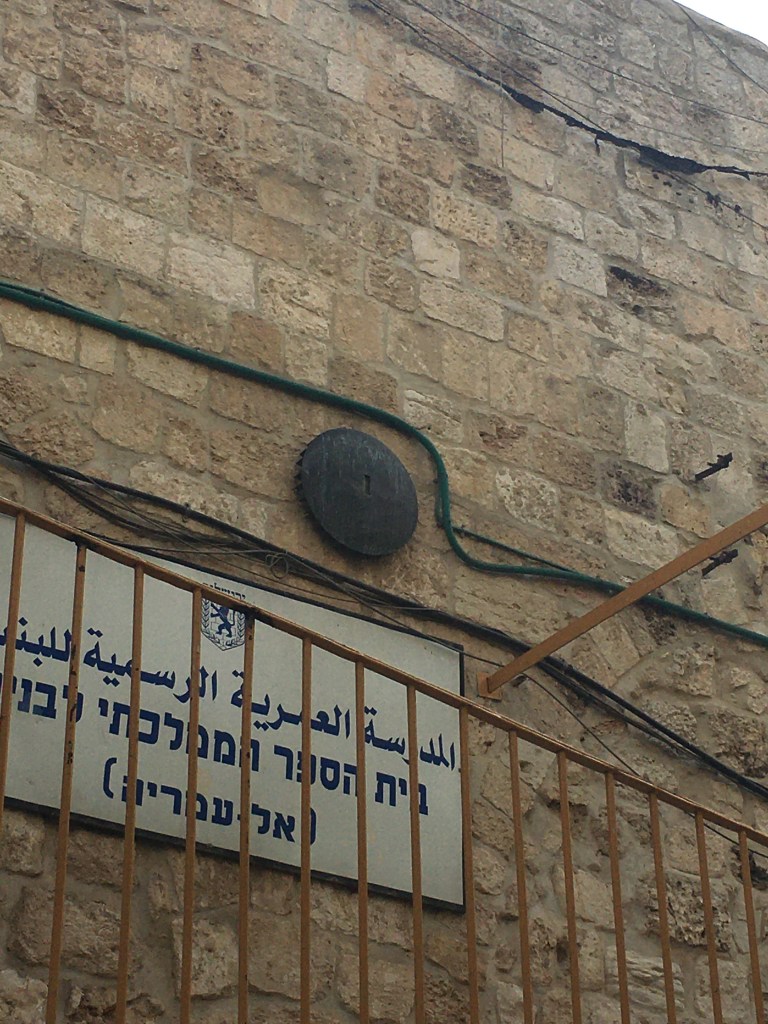
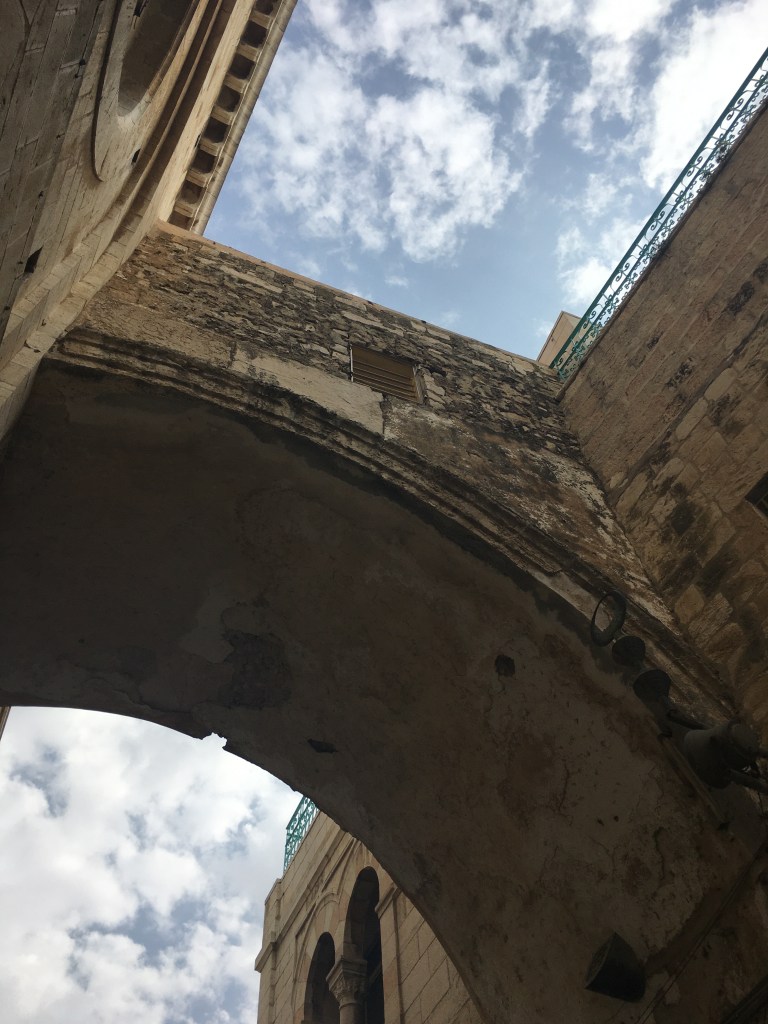
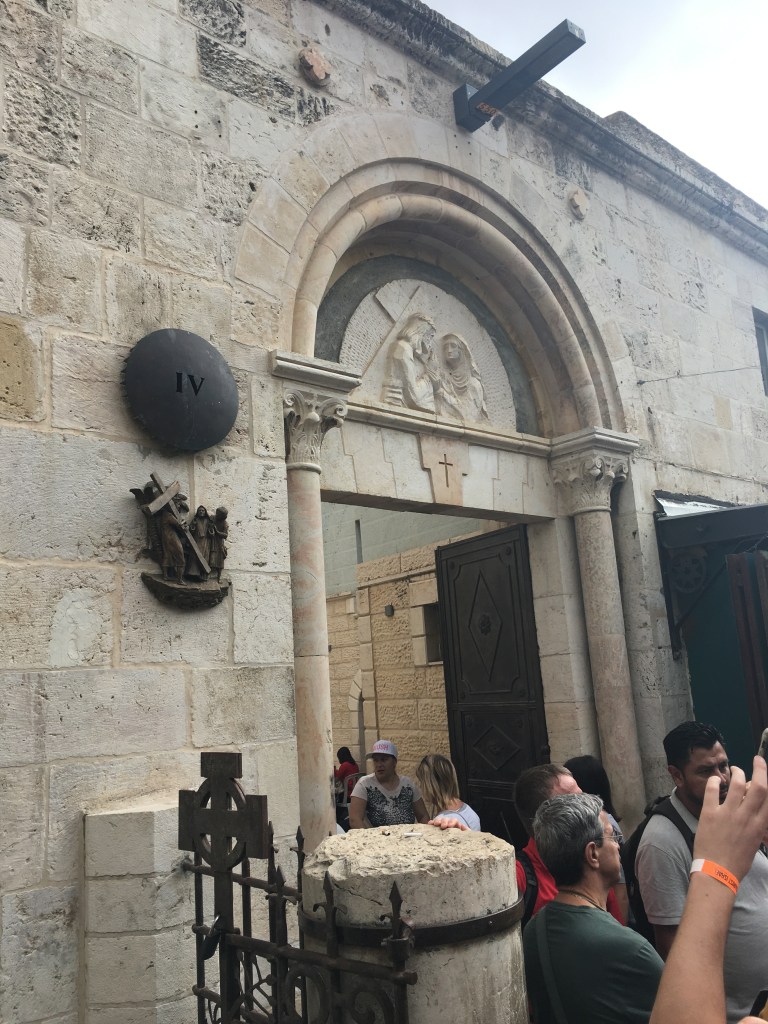
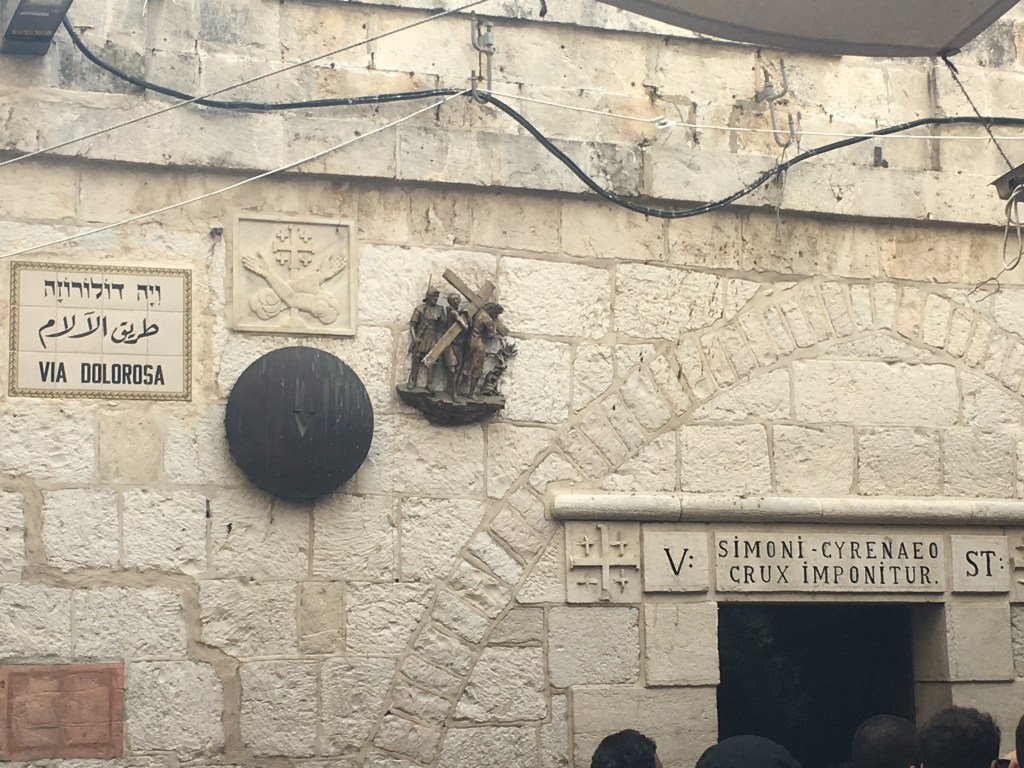
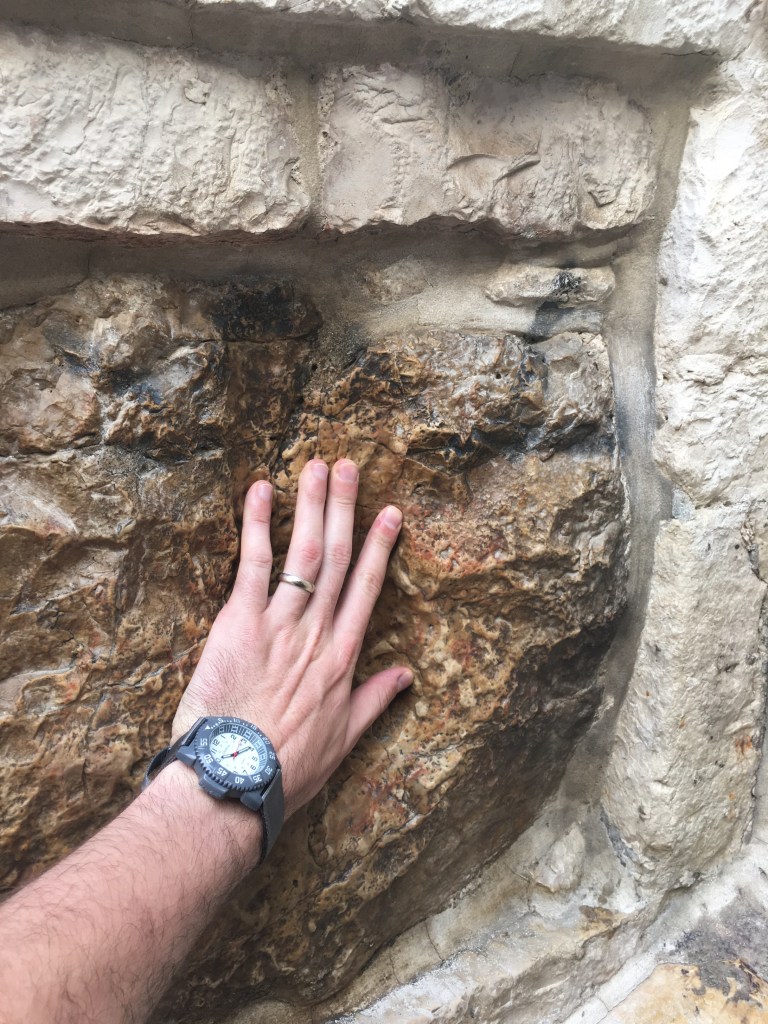
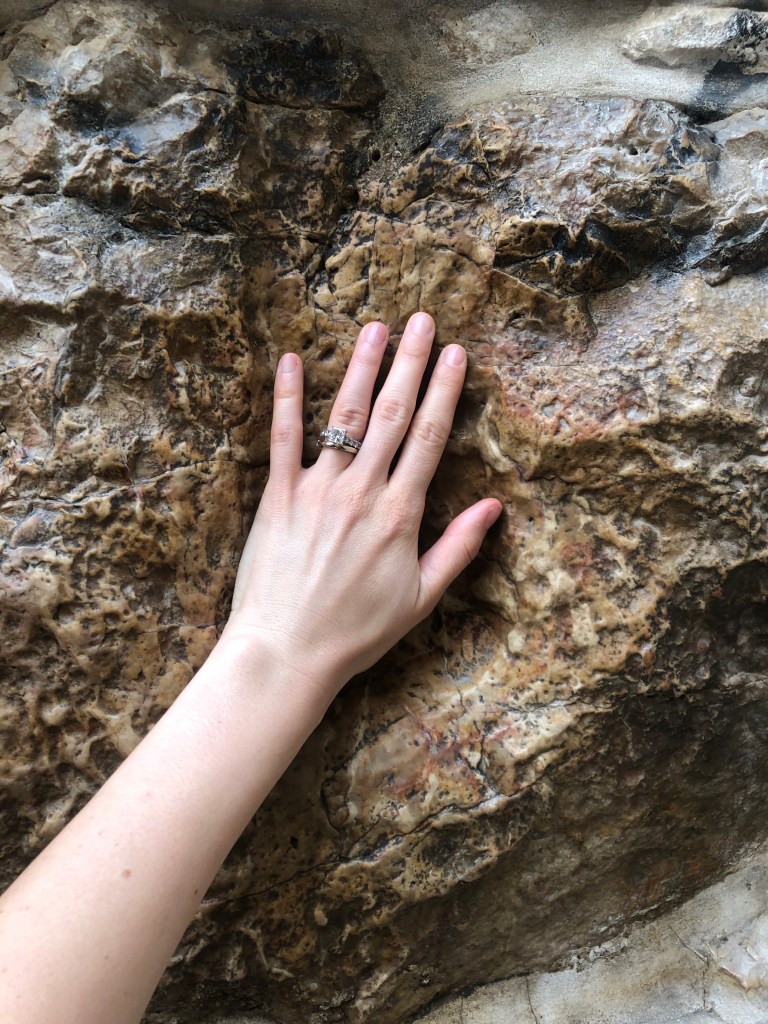
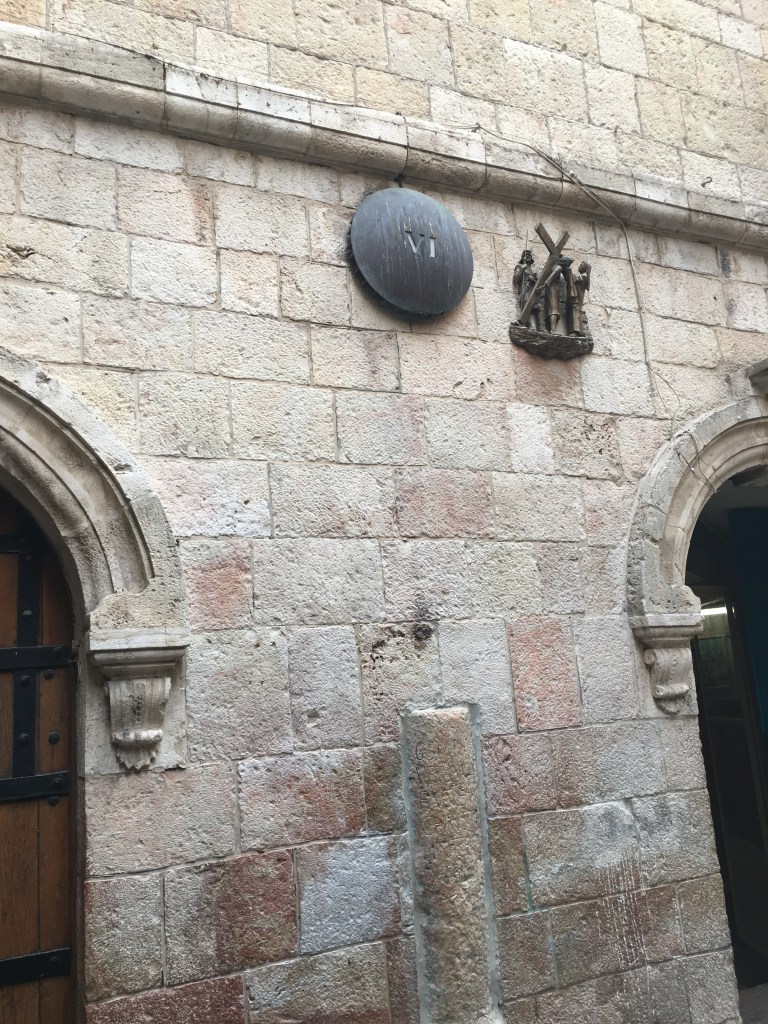
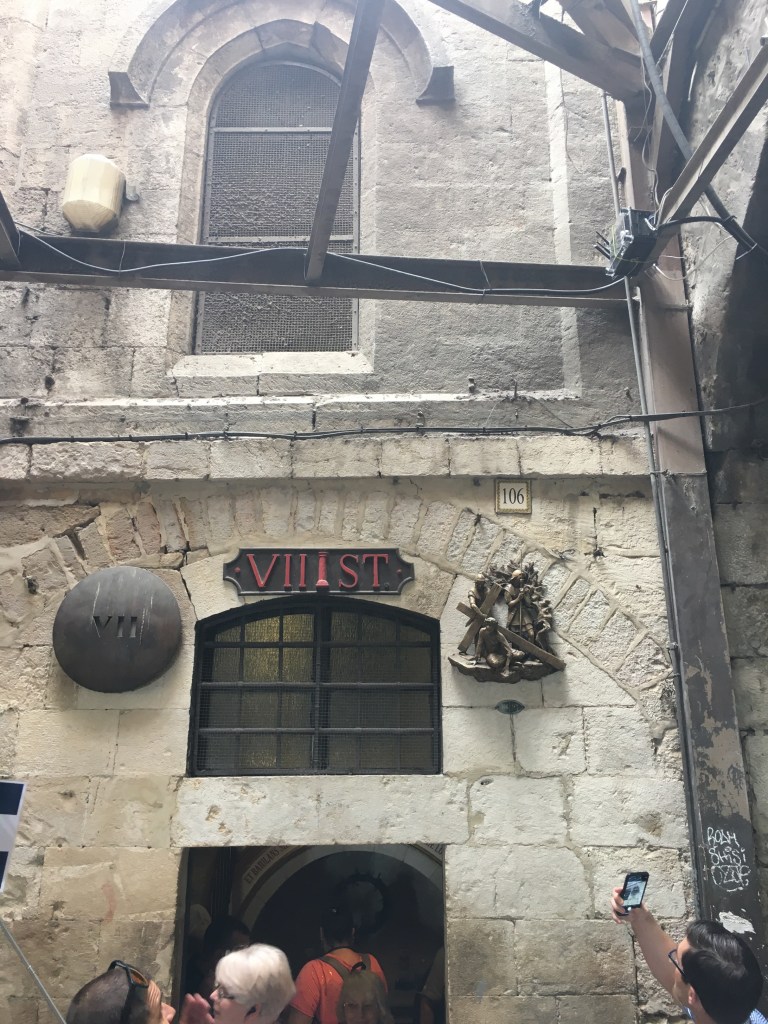
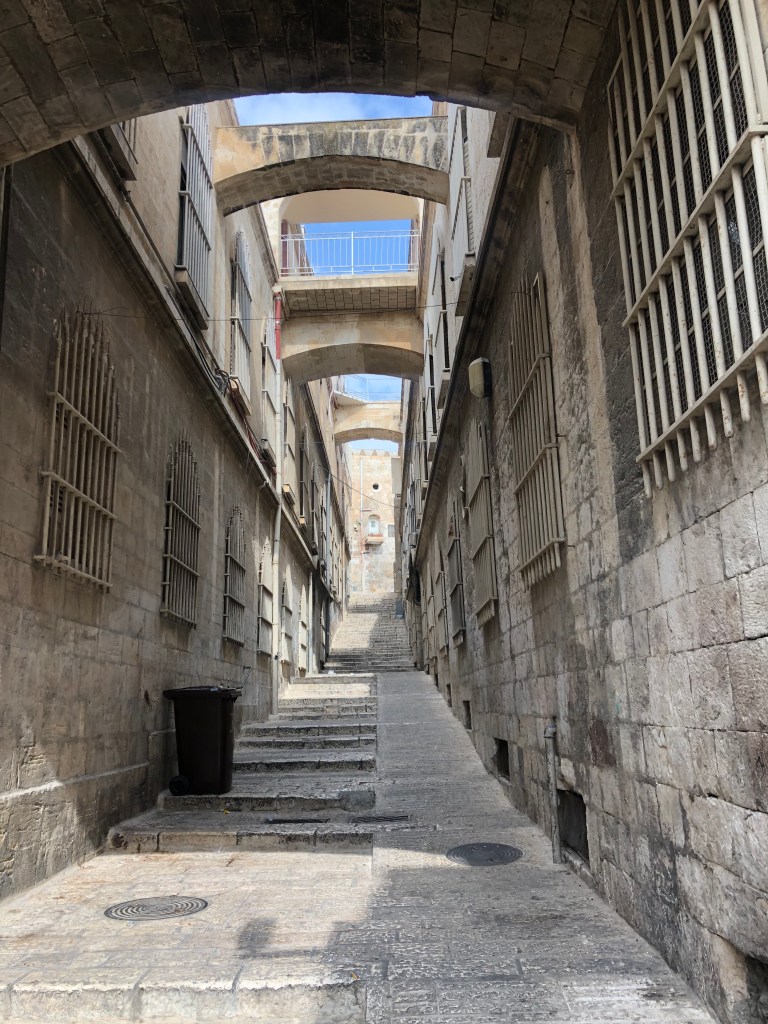
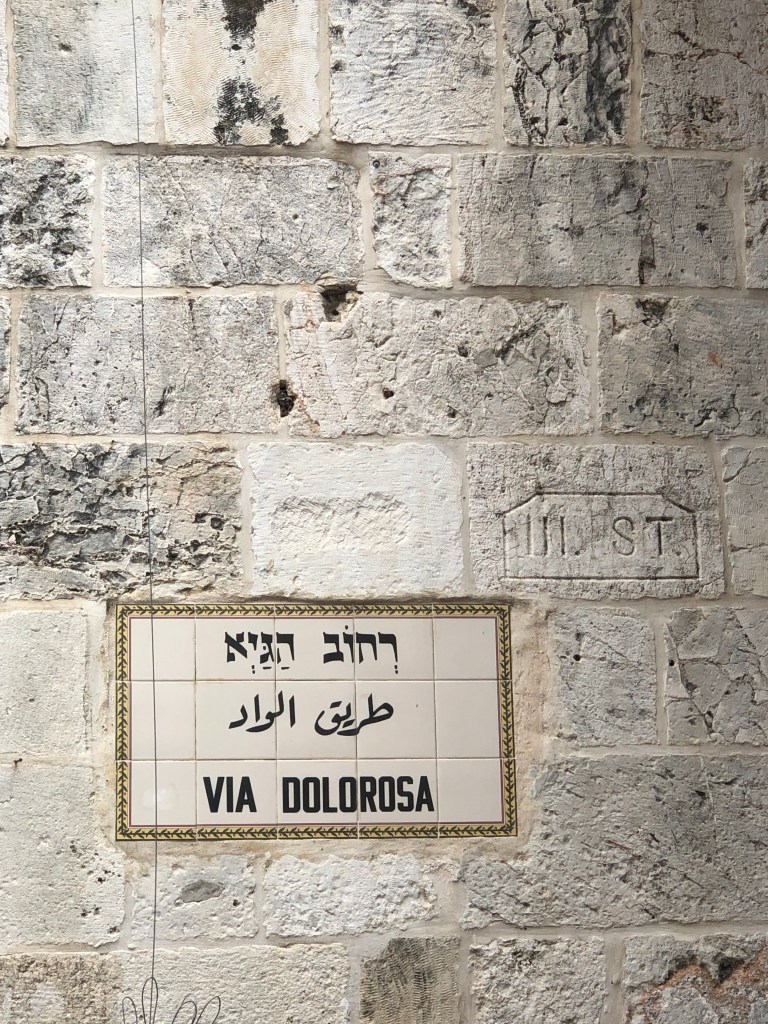
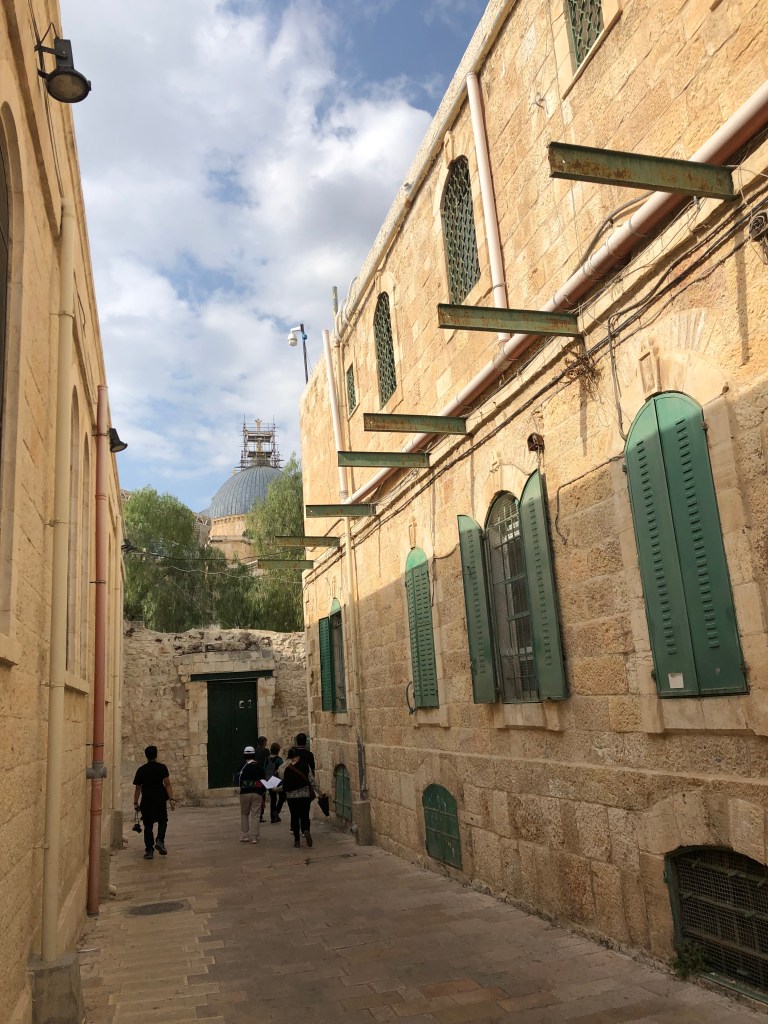
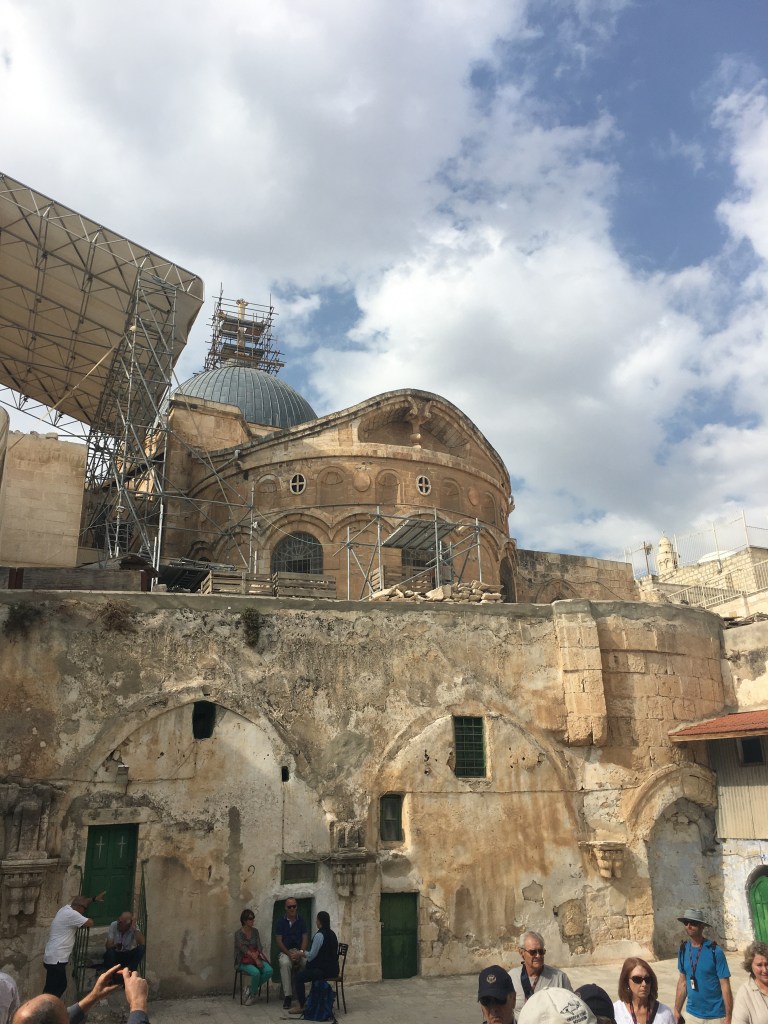
Via Dolorosa (“Way of Grief” in Latin) is a road in the old city of Jerusalem, a path where Jesus was lead in agony, carrying the crucifixion cross. There are a total of 14 stations along this path, based on events that occurred on the way to the Golgotha hill, the site of crucifixion, which is located at the Church of the Holy Sepulcher. Eight stations are marked along the old city road, while 6 additional stations are places in the compound of the church.

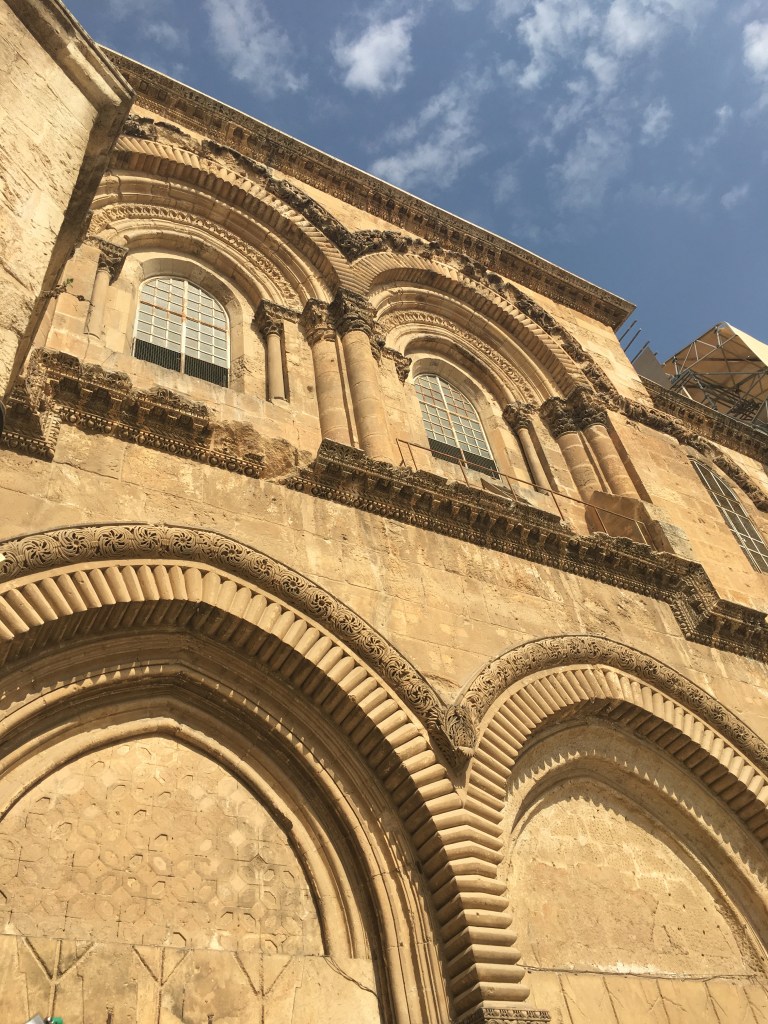
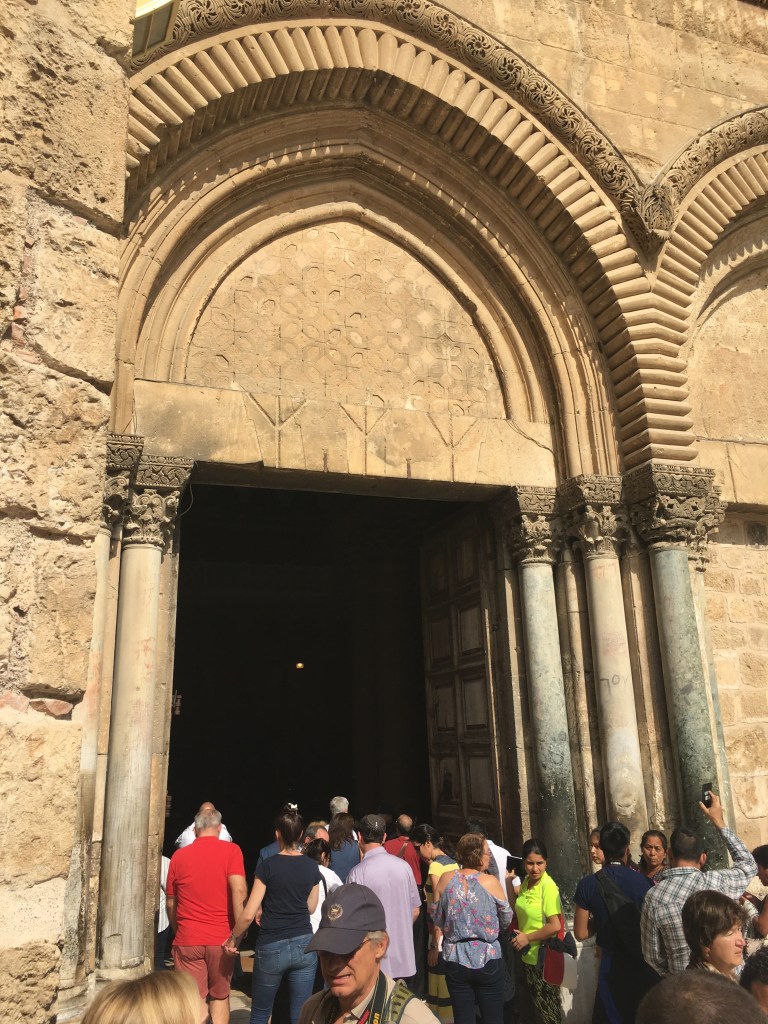
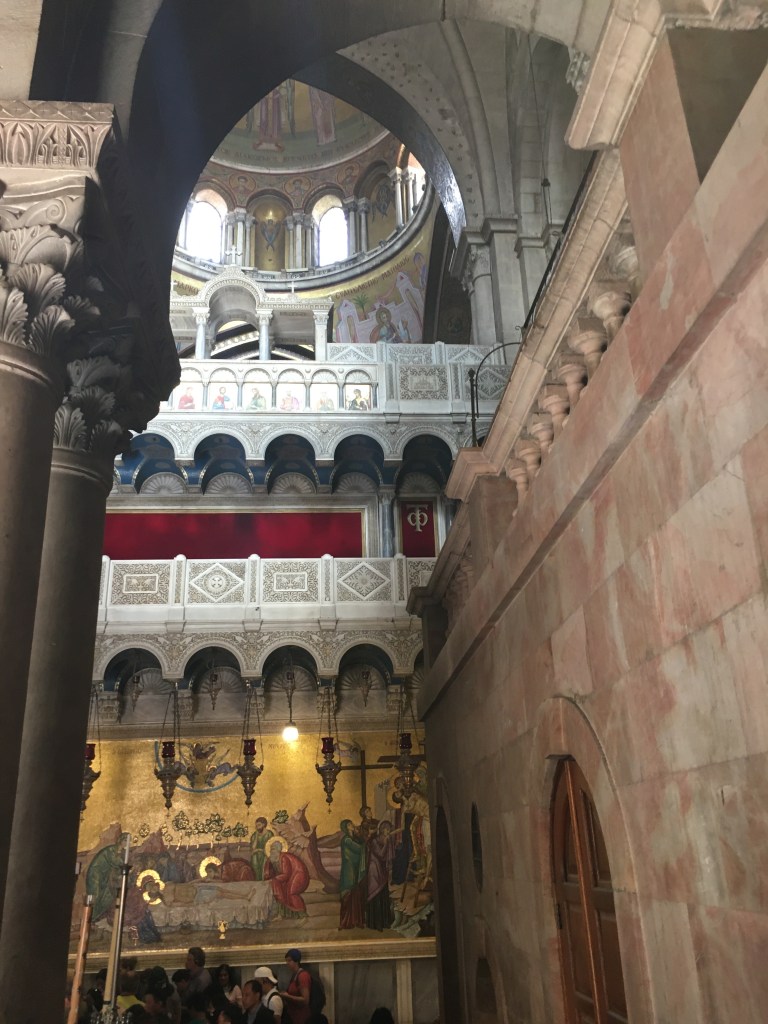
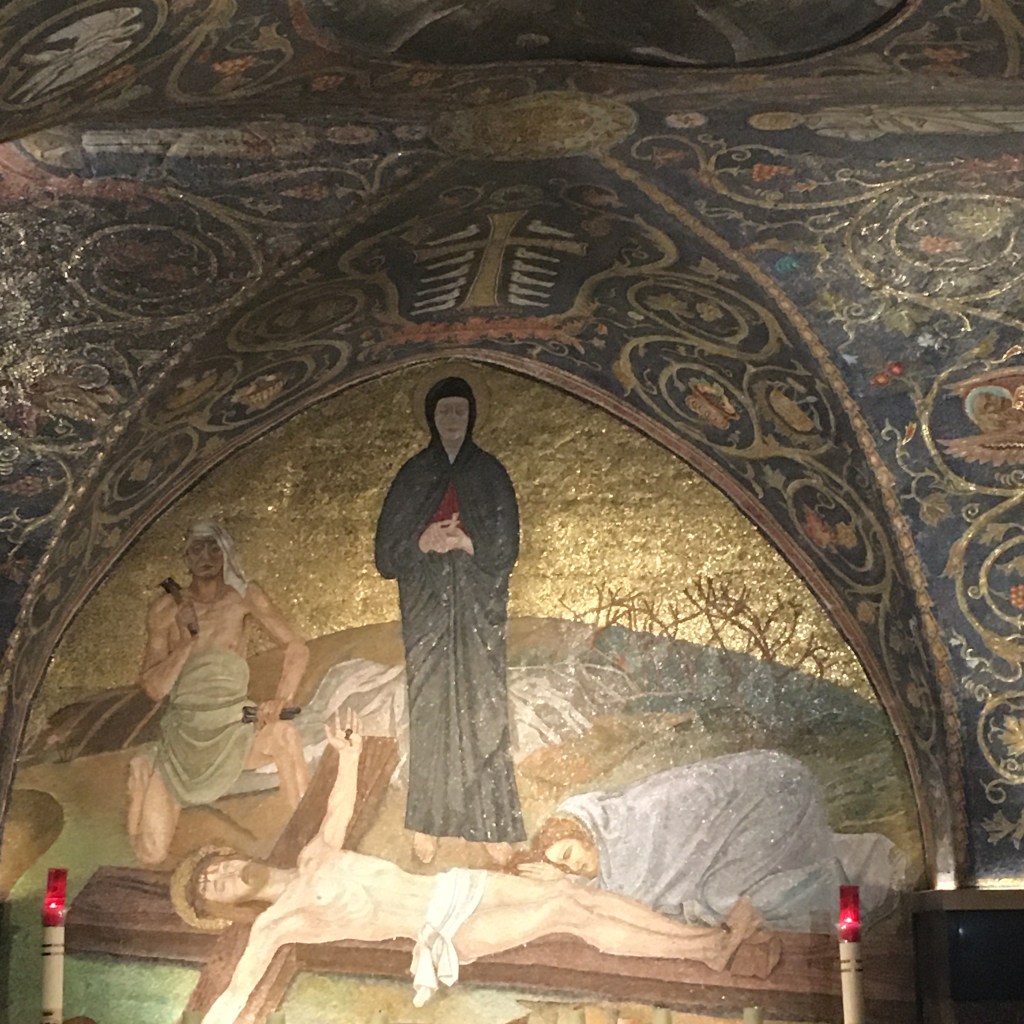
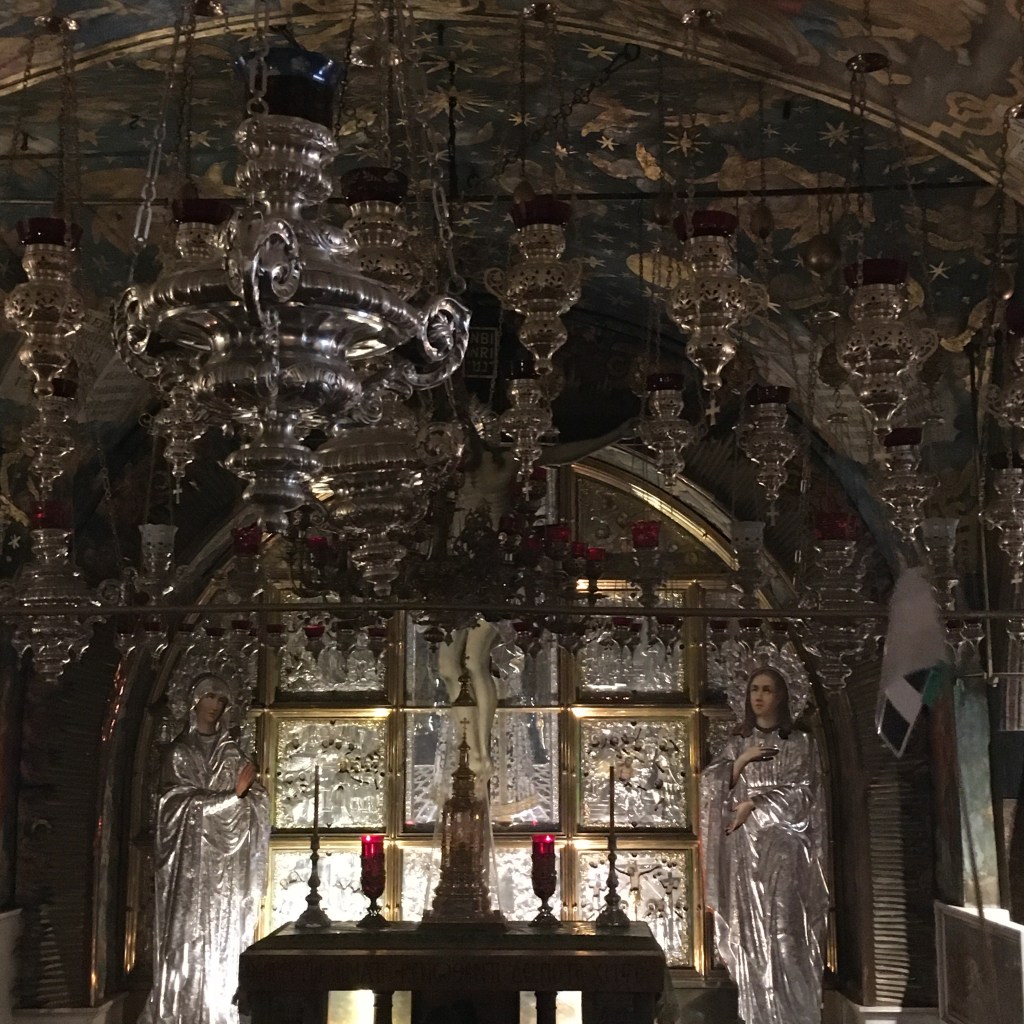
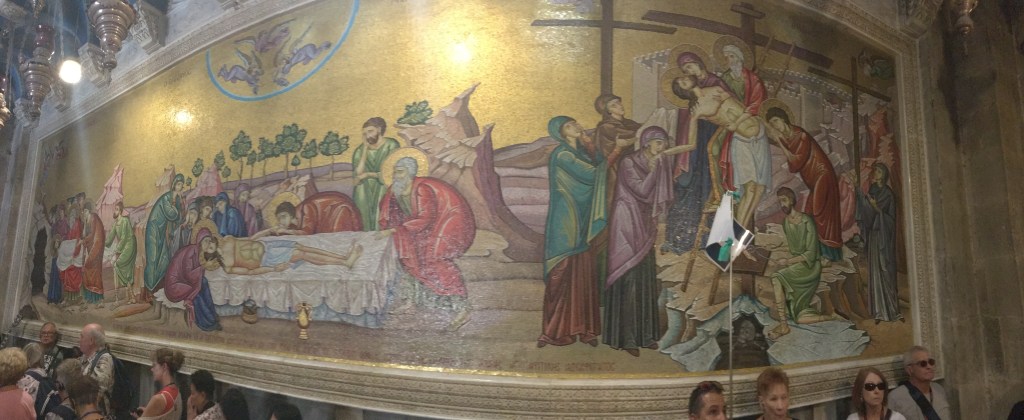
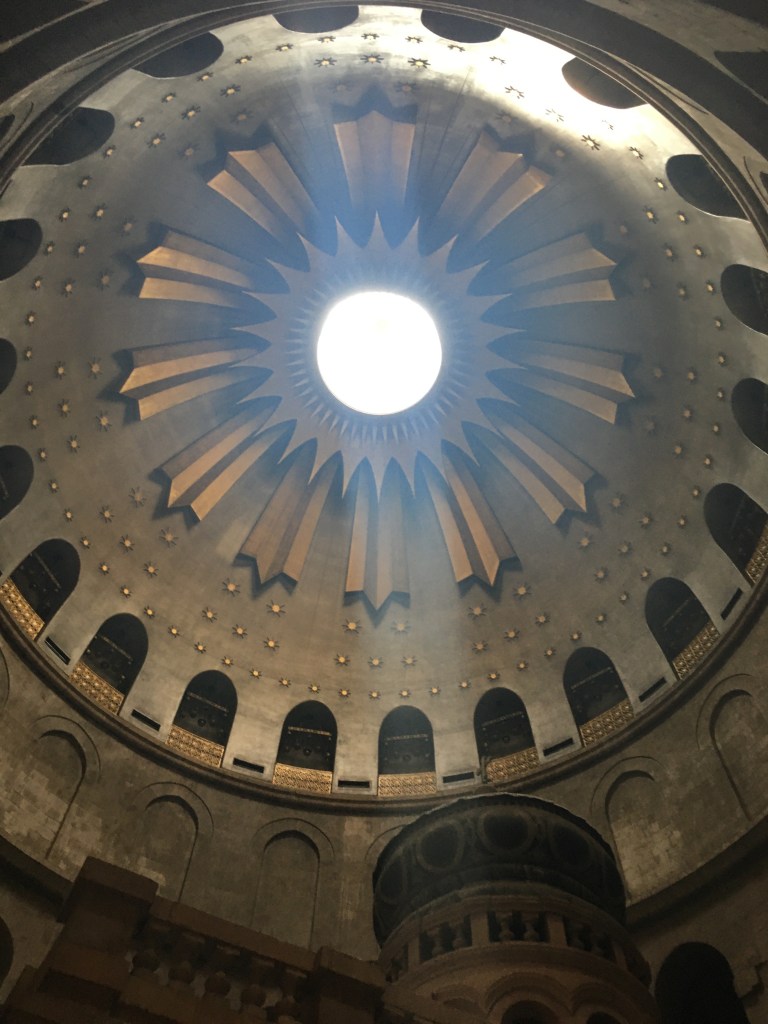
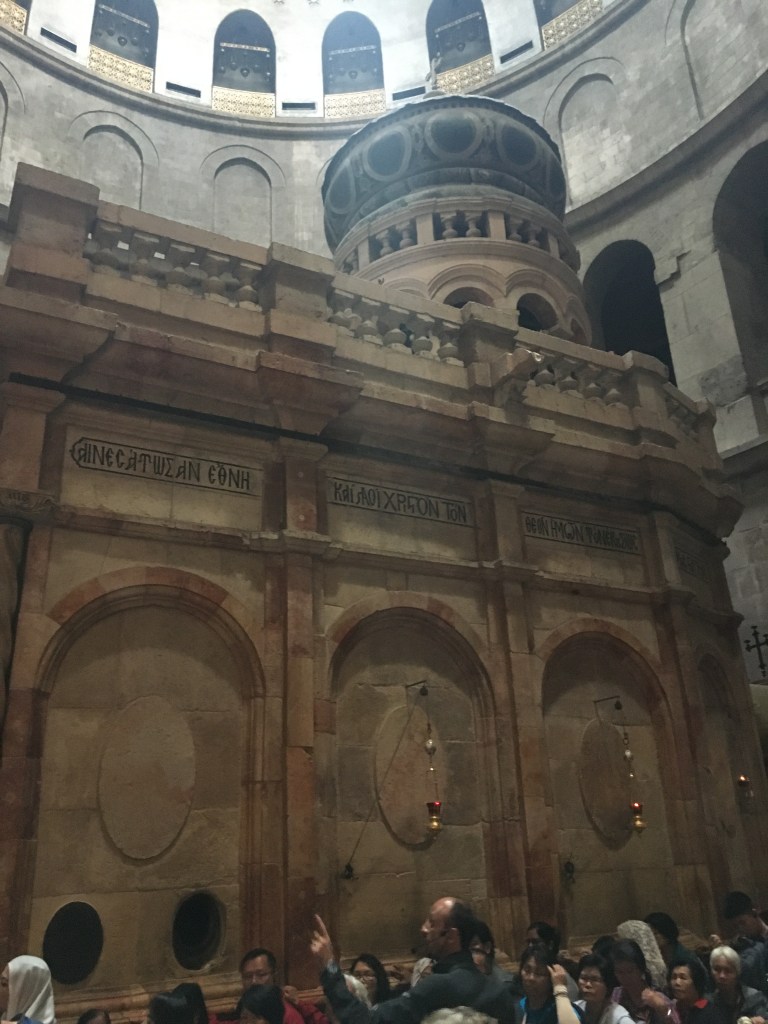
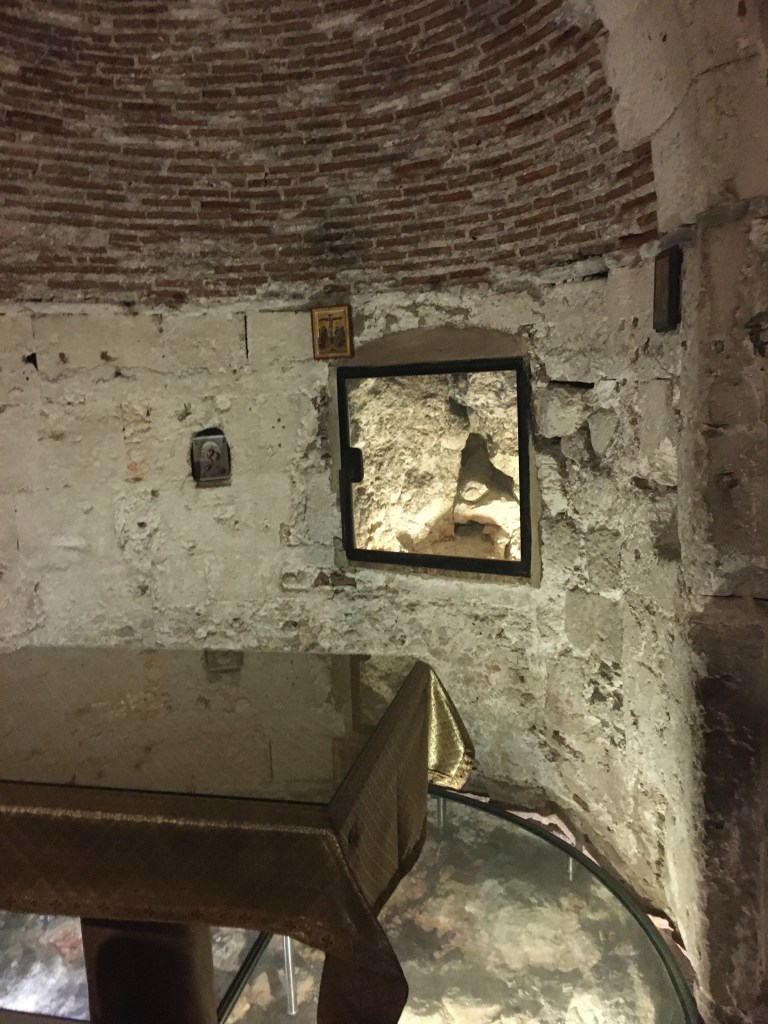
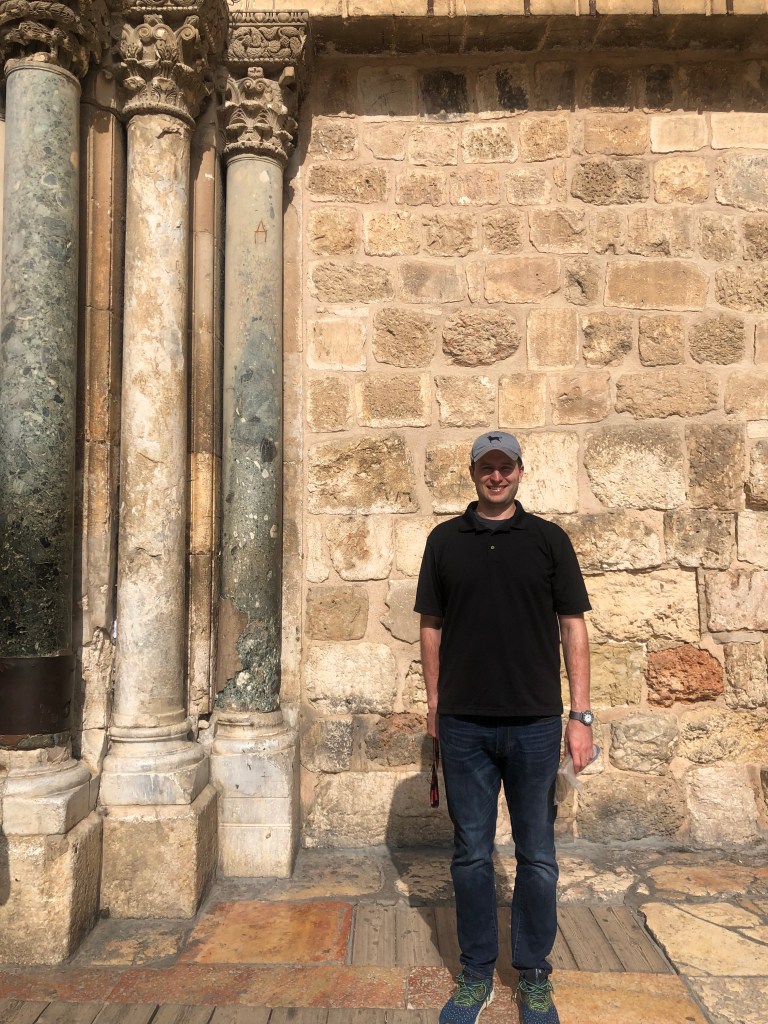
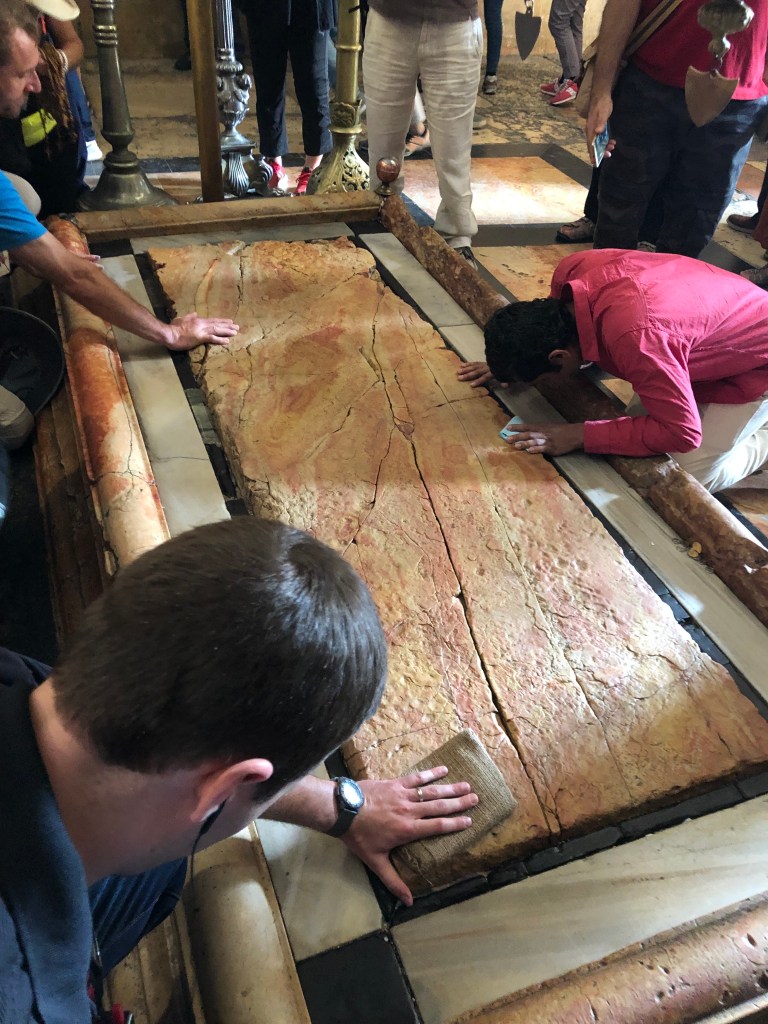
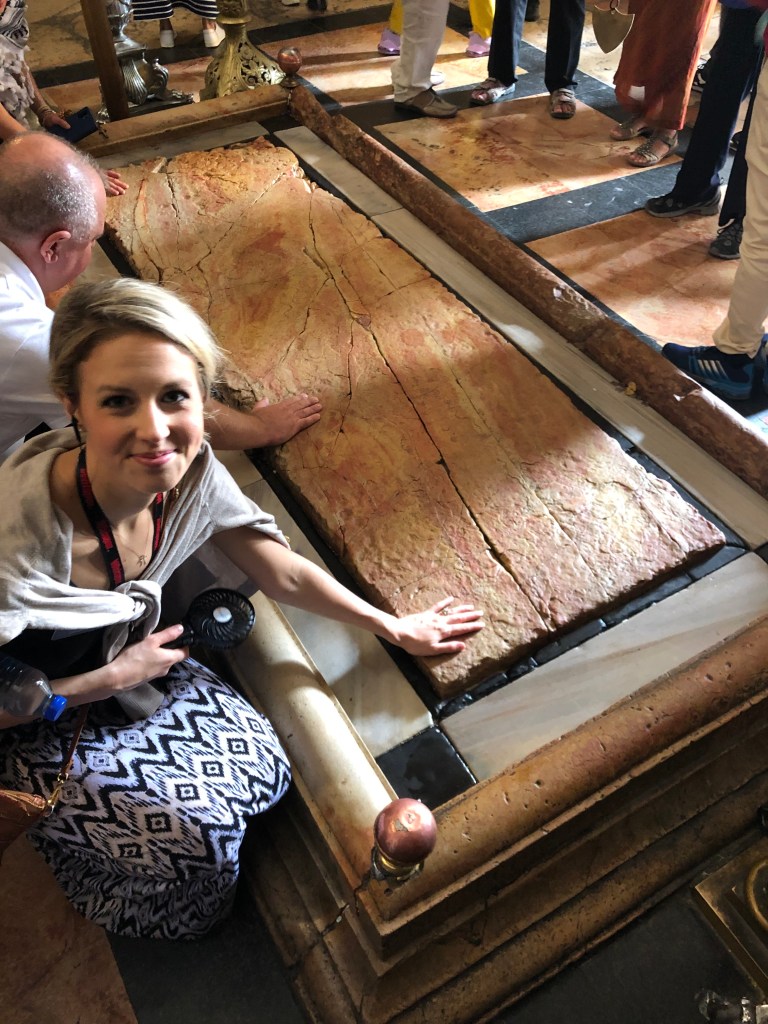
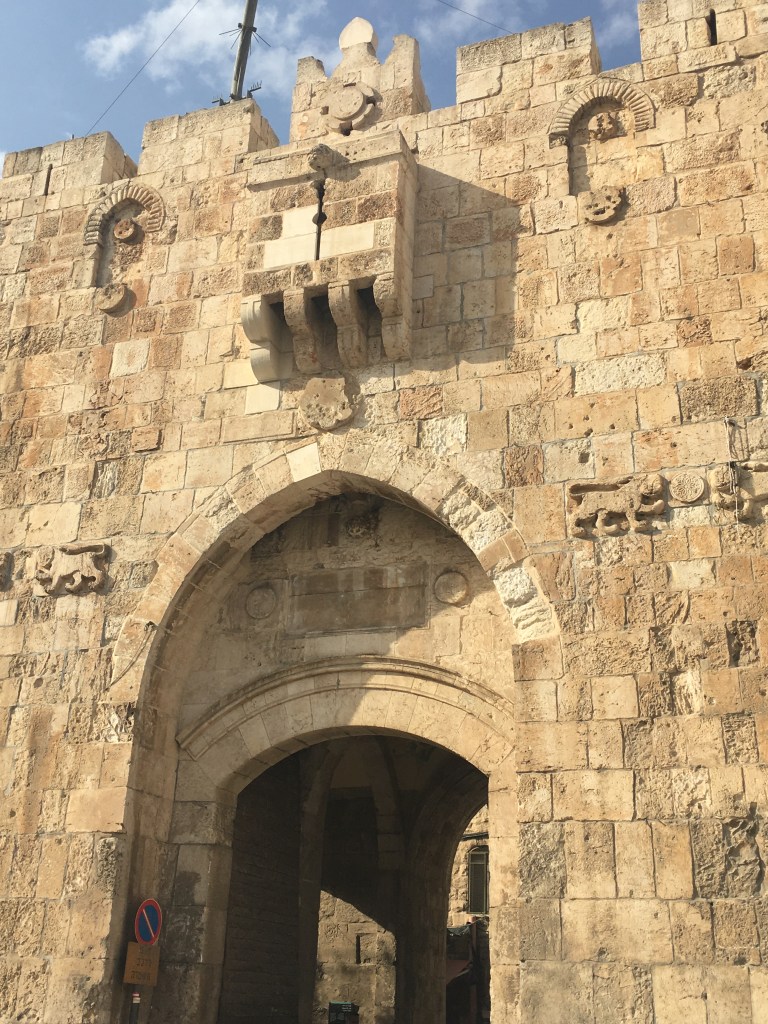
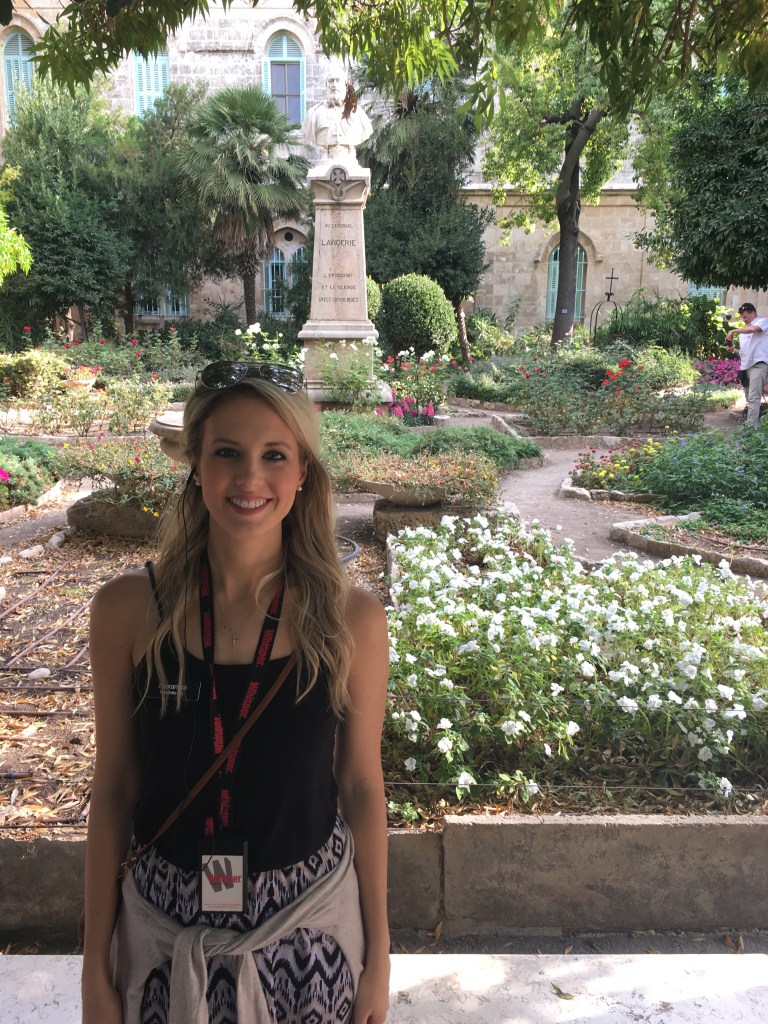
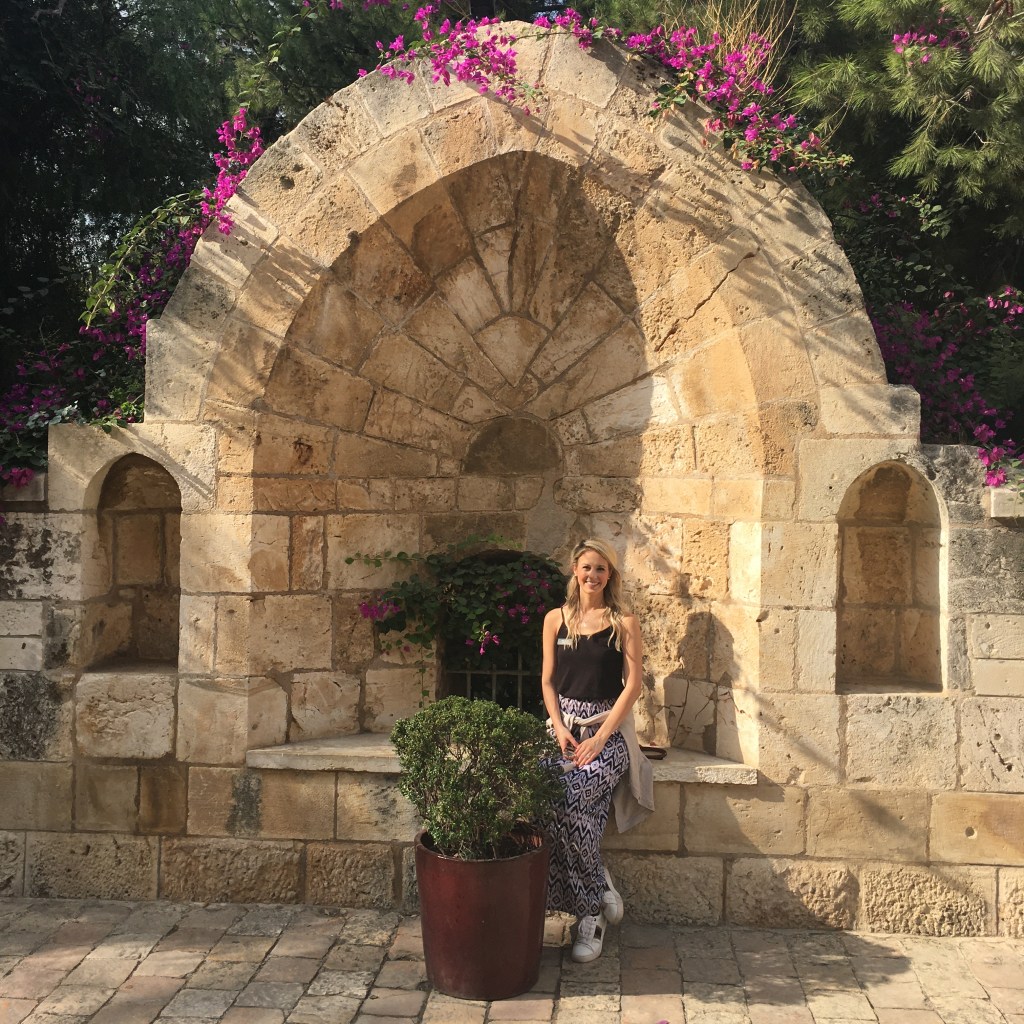

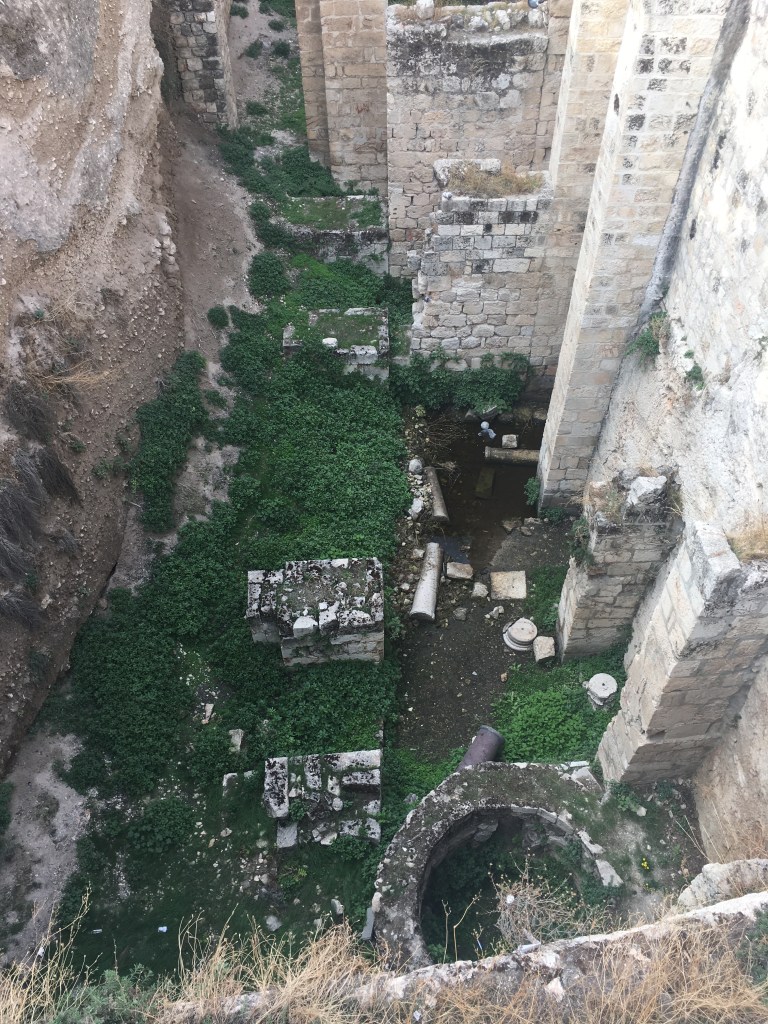
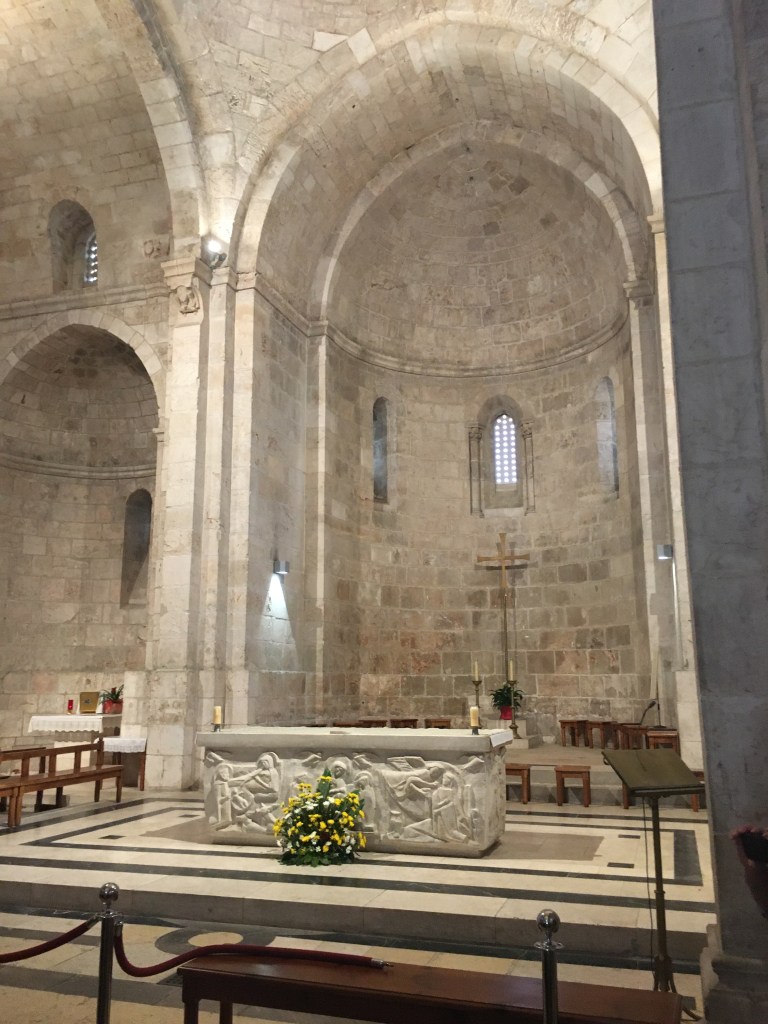
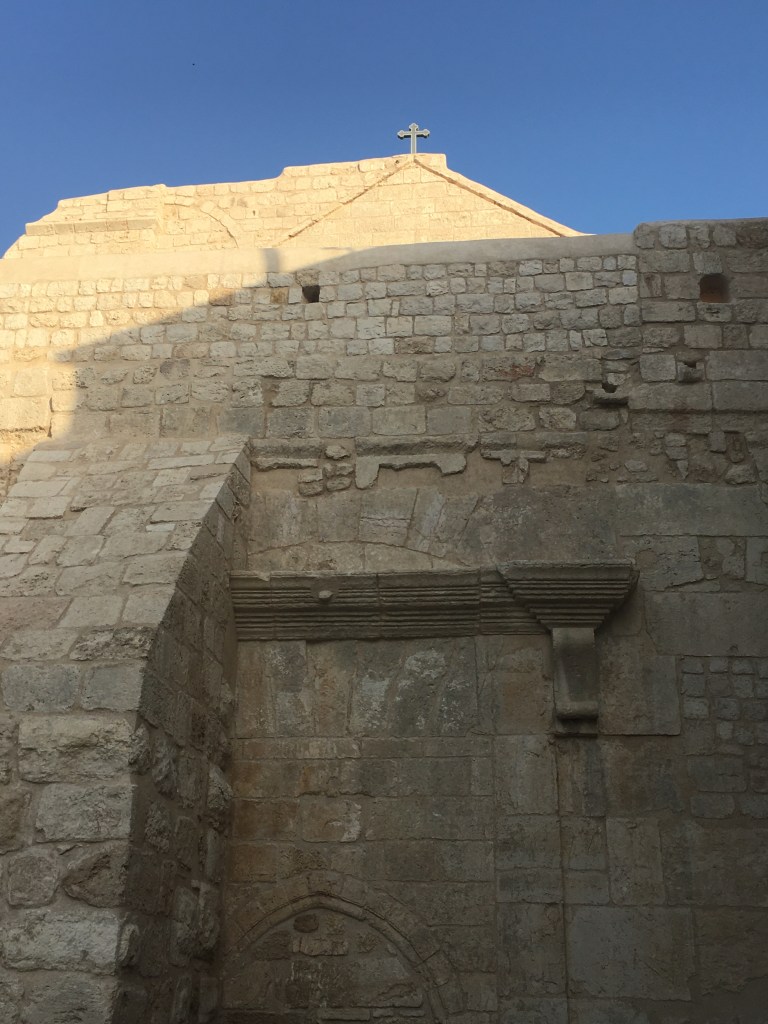

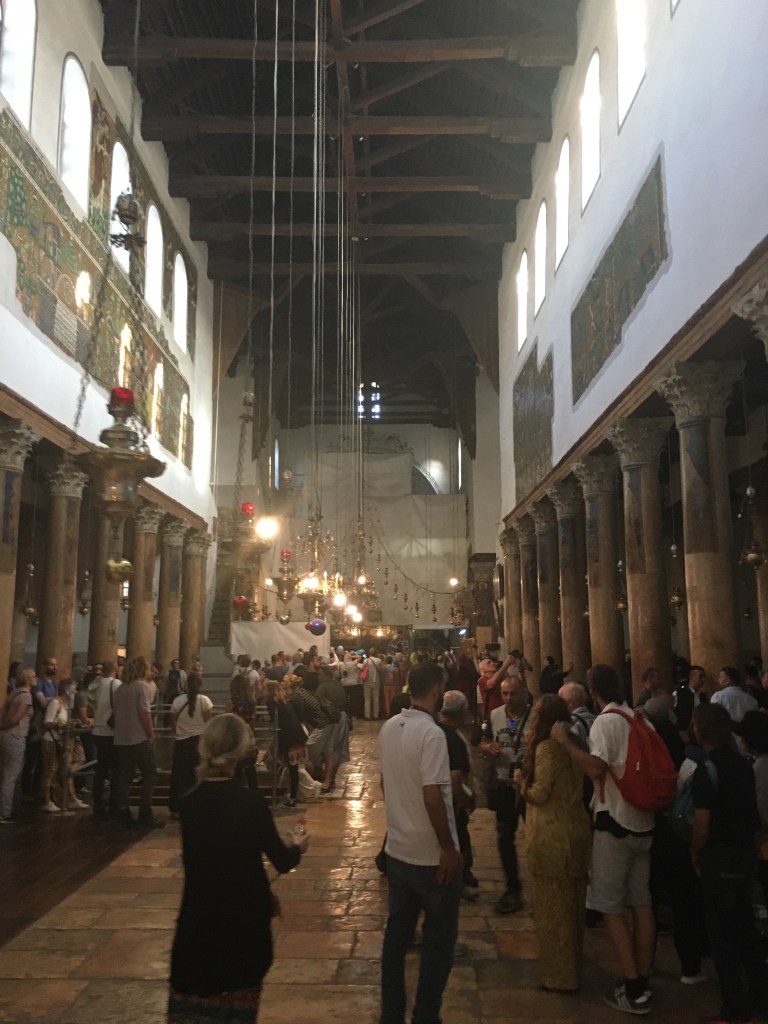
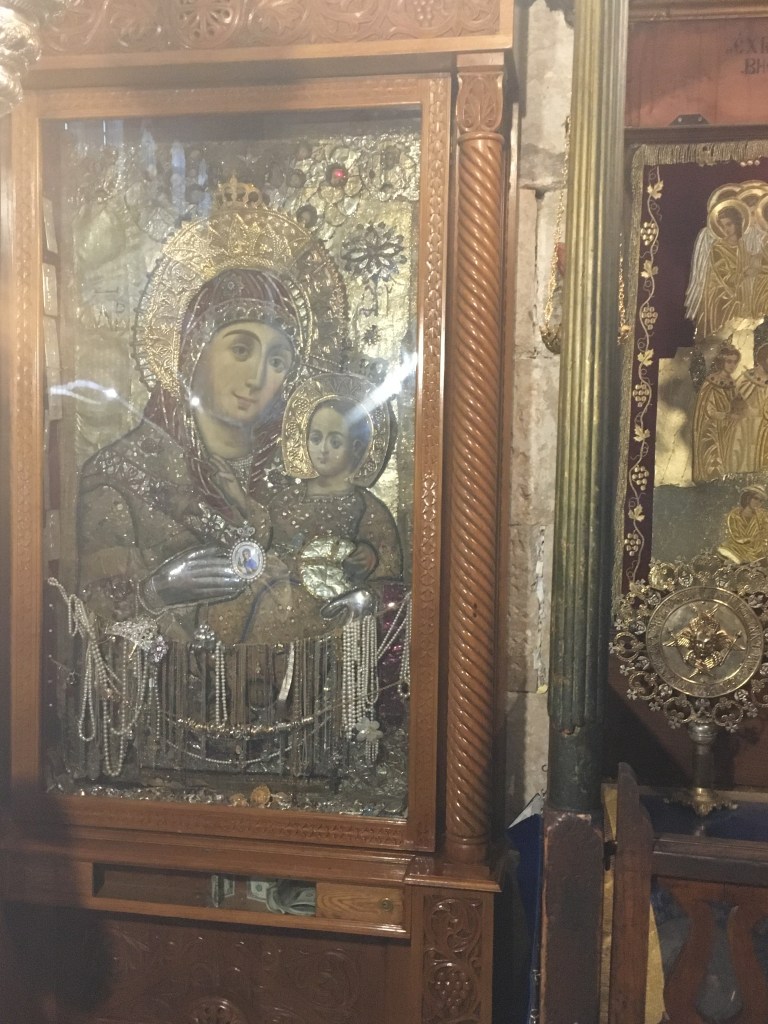
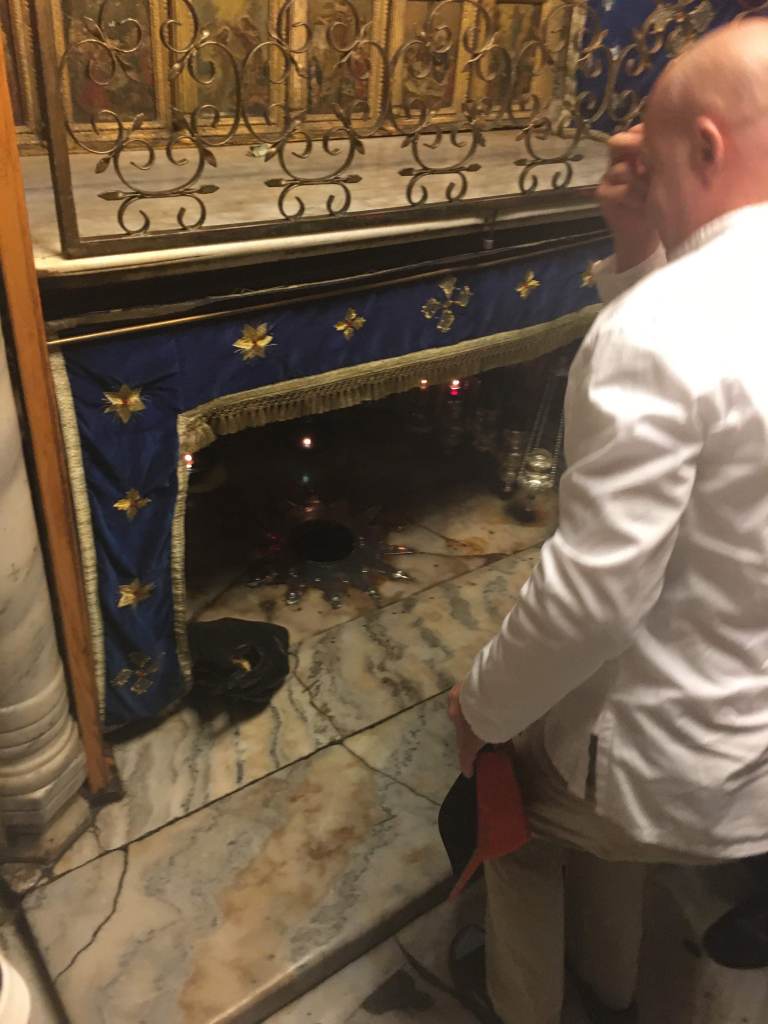
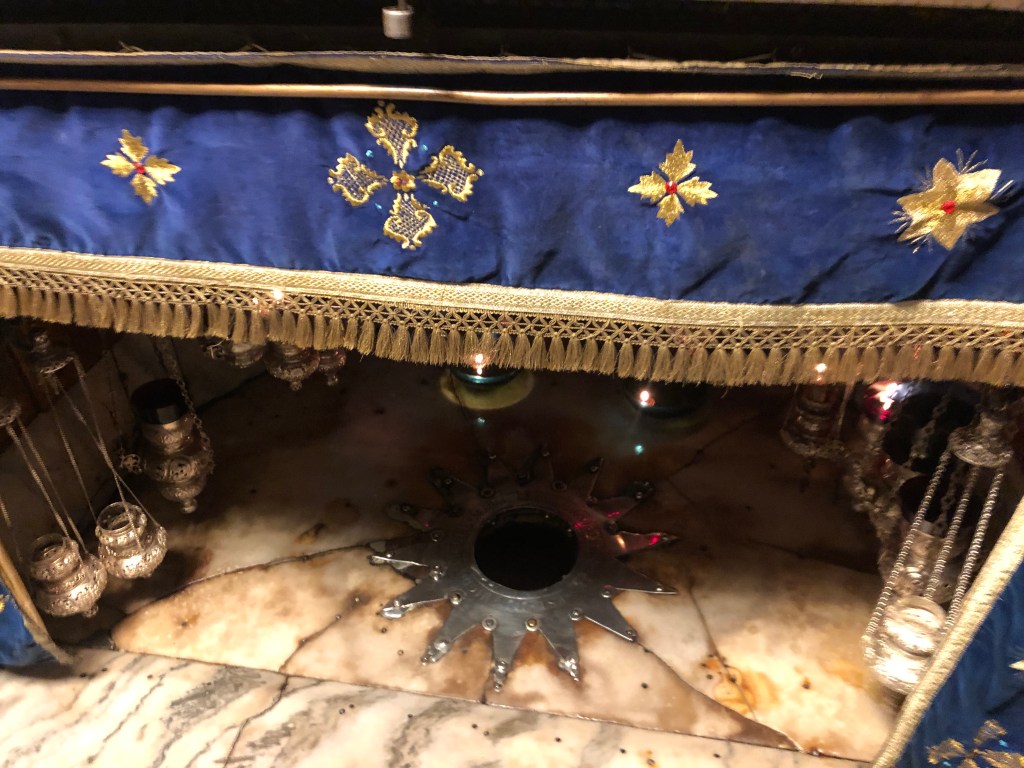
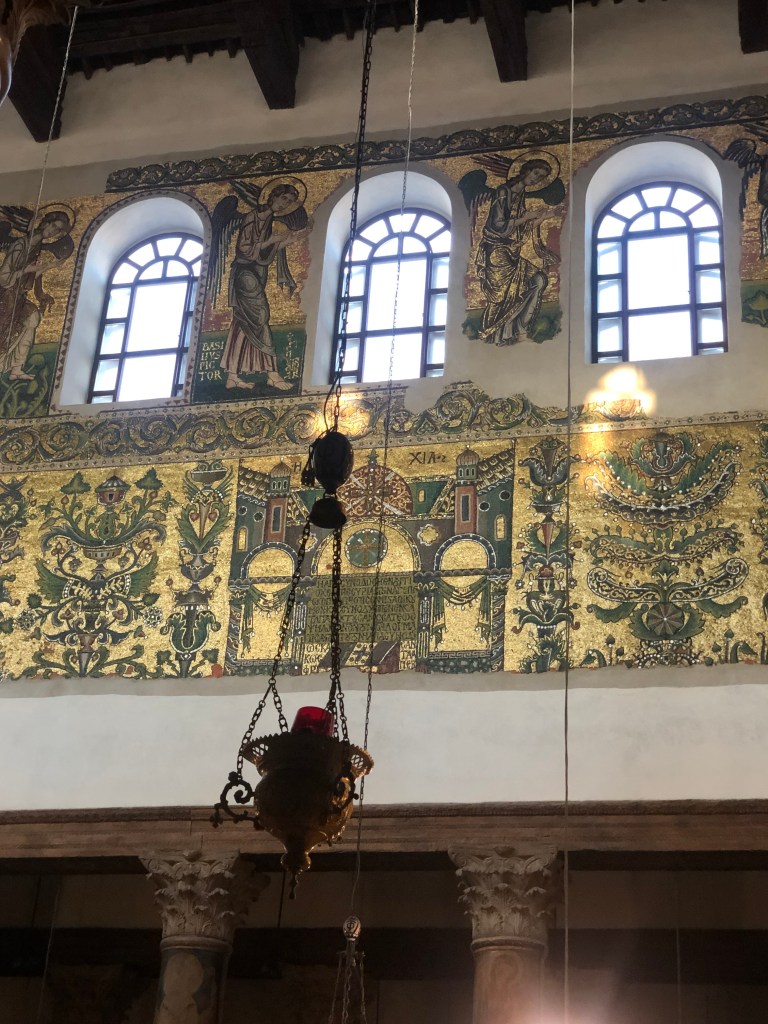
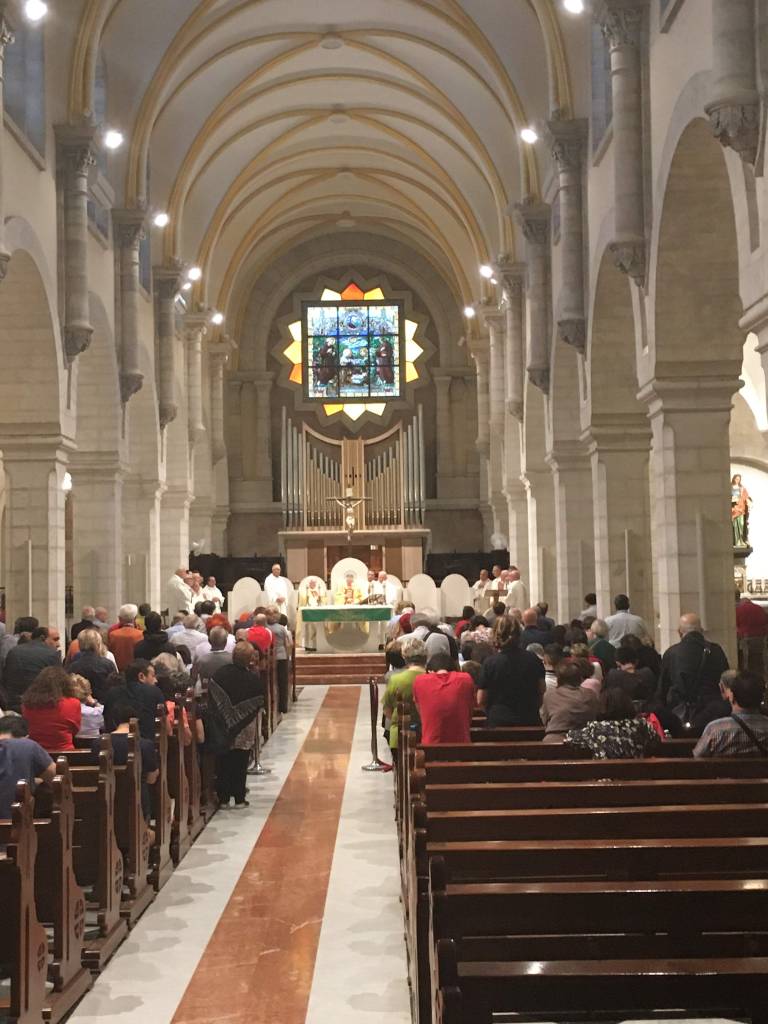
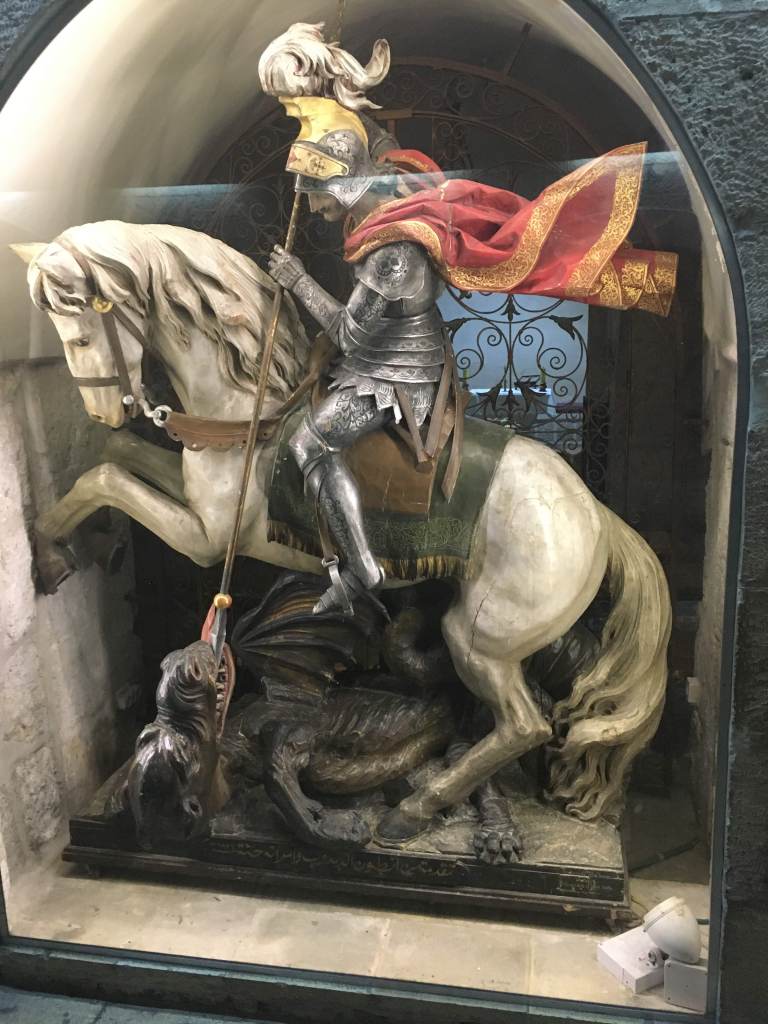
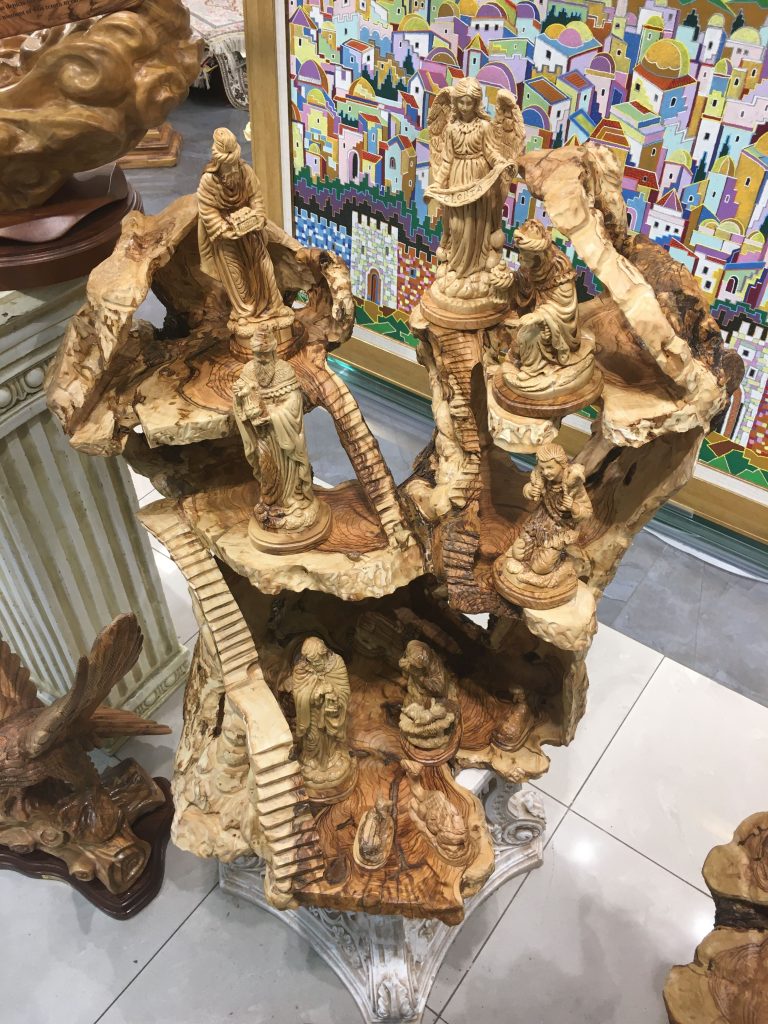

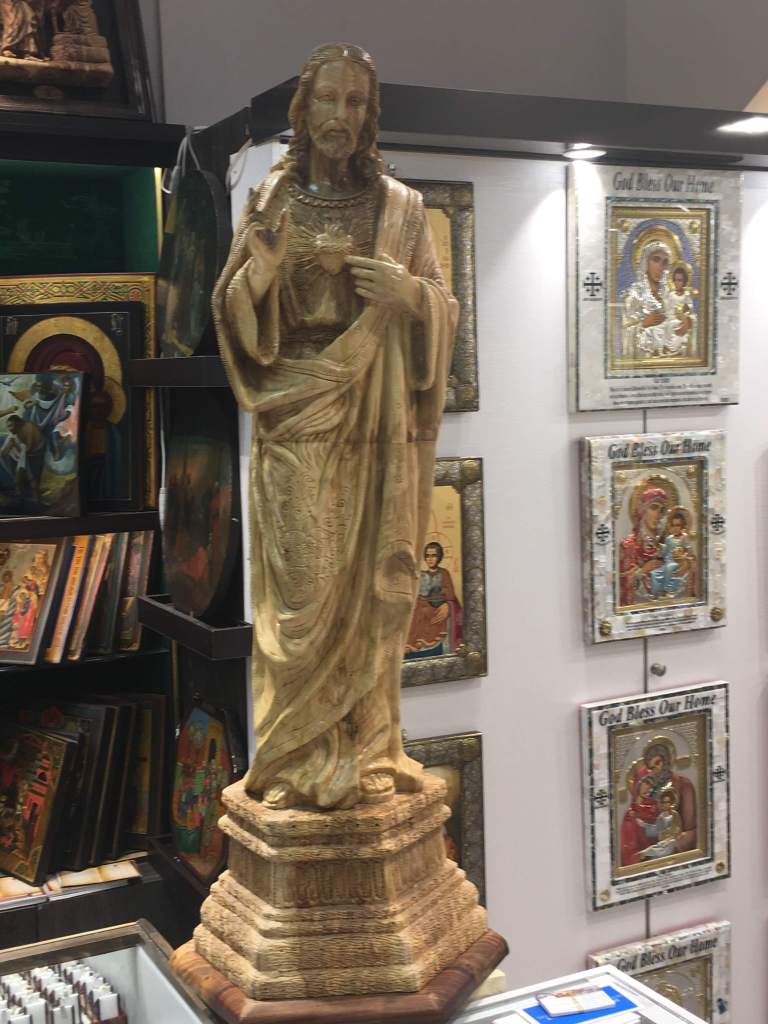
The world holocaust remembrance center. This is extremely heavy, disturbing, and moving. It has thousands and thousands of exhibits. The testimonials of the survivors are particularly heartbreaking and powerful. We spent four hours at Yad Vashem, but it would be easy to spend an entire day there.
Out of respect, I only took a handful of photos outside the museum. There are pictures available online, but this is something that really needs to be experienced in person. I would highly recommend that anyone visiting Israel visit Yad Vashem to remember the six million Jewish peoples that were murdered.
Below are two pictures from the garden of the “Righteous of All Nations”. A righteous person is defined as a Non-Jewish person who assisted in saving Jewish people during the Holocaust. Risking their own lives and the lives of their families to do the right thing.

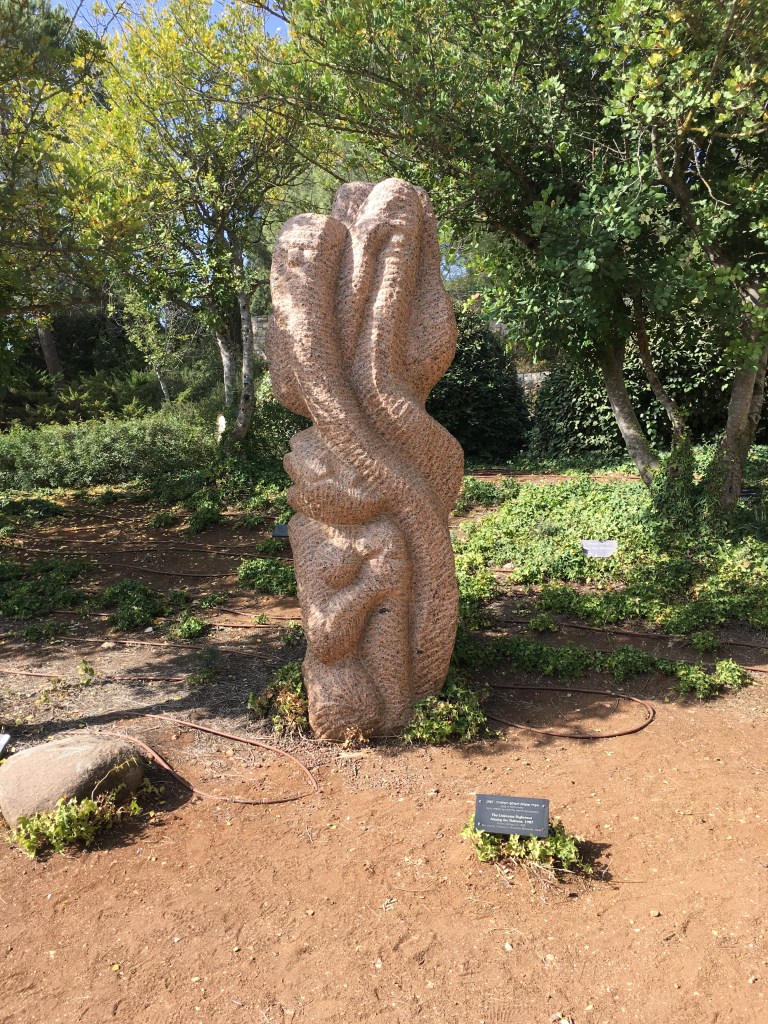
In the statue, on the right side is meant to depict a person turned away eyes closed. The other person on the left (righteous) is eyes open with the vulnerable person hiding below them.
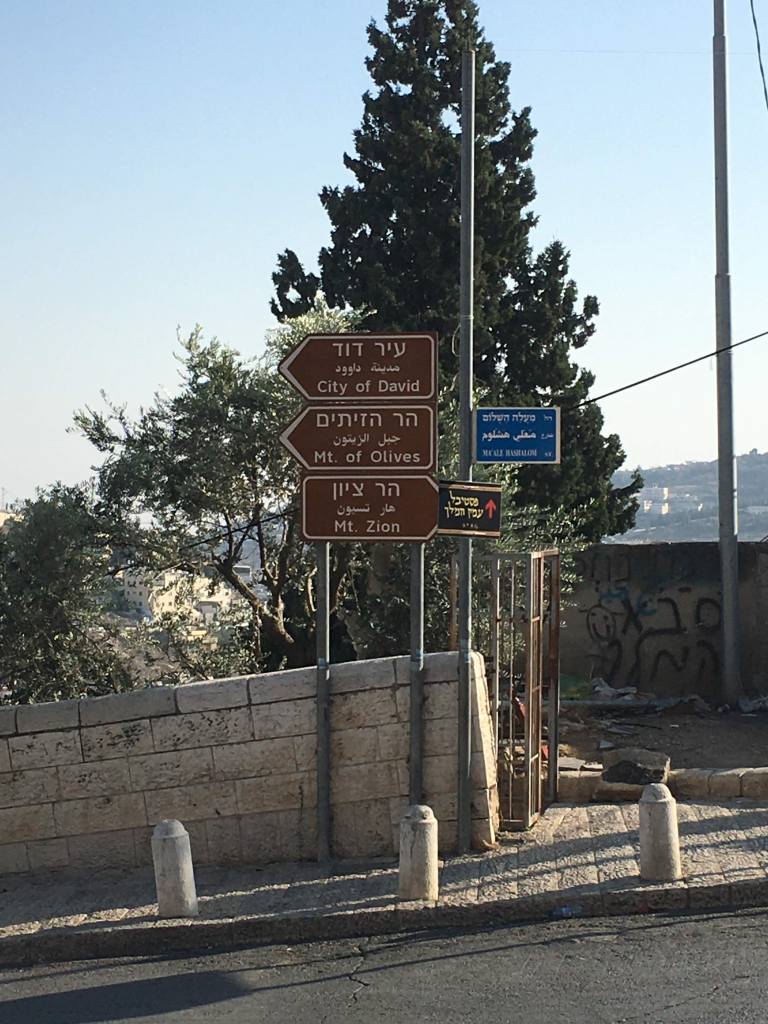
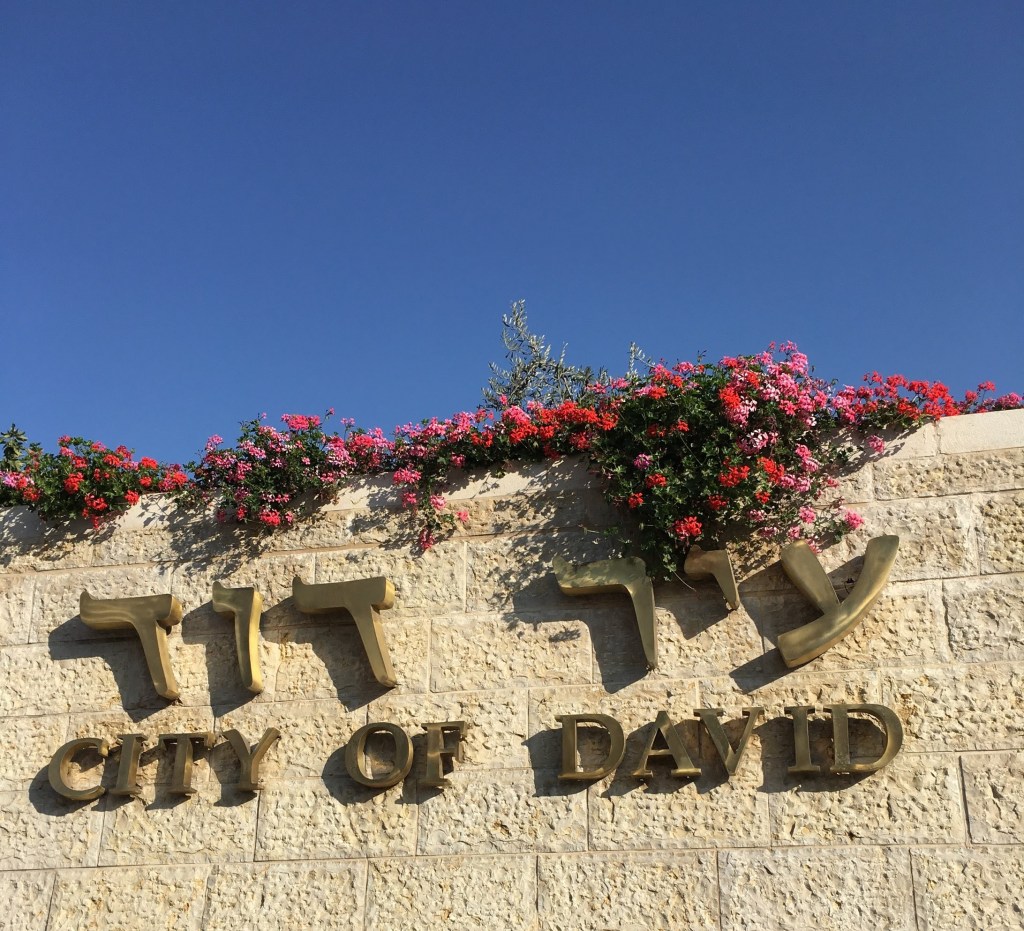
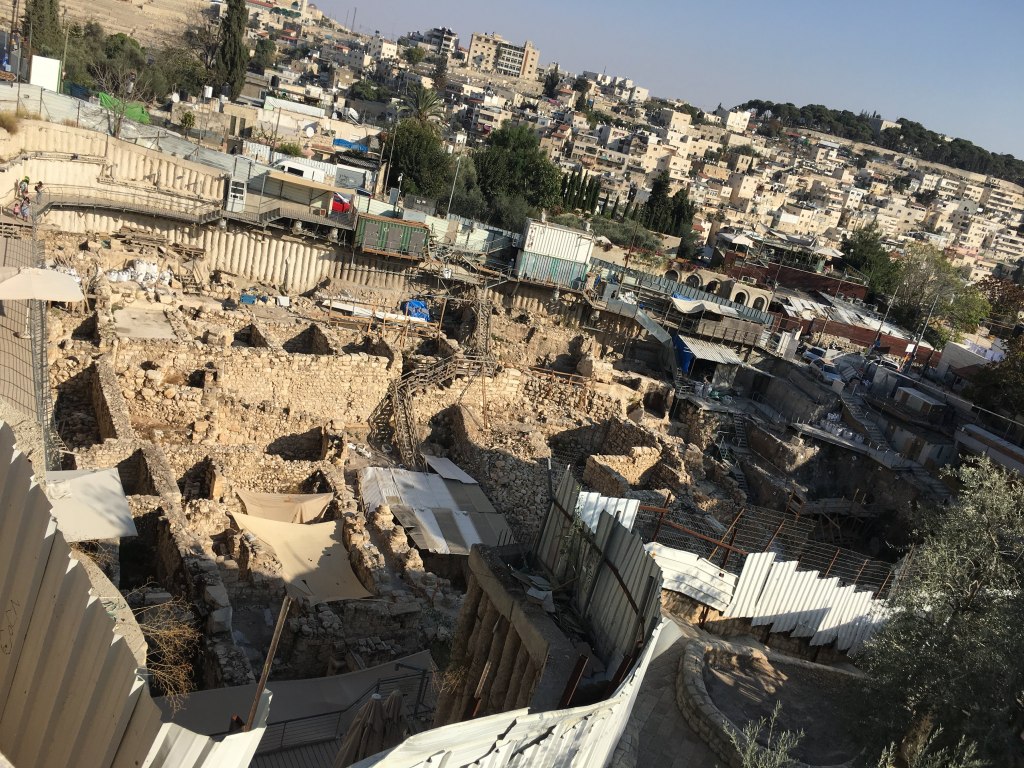
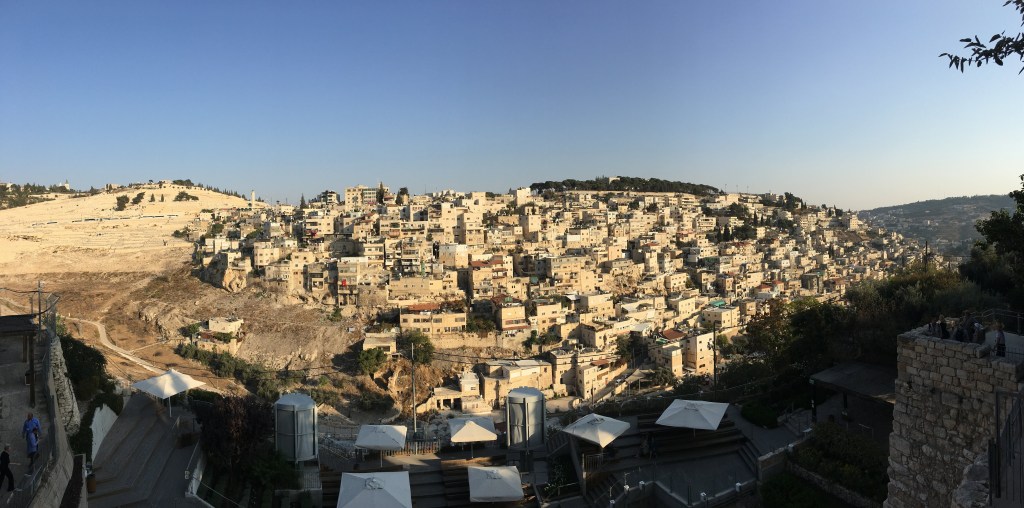
The original site of King David’s capital city of Israel. David captured, strengthened, and beautified the city making it his capital. David reigned 7 1/2 years in Hebron and 33 years in Jerusalem 1010-970 B.C.) David called Jerusalem “The City of David”. The city at that time occupied only the cone shaped spur of land south of the Temple Mount that is outside the present day city walls. David brought the Arc of the Covenant to Jerusalem and purchased the threshing floor or Araunah the Jebusite which later became the site of Solomon’s Temple.
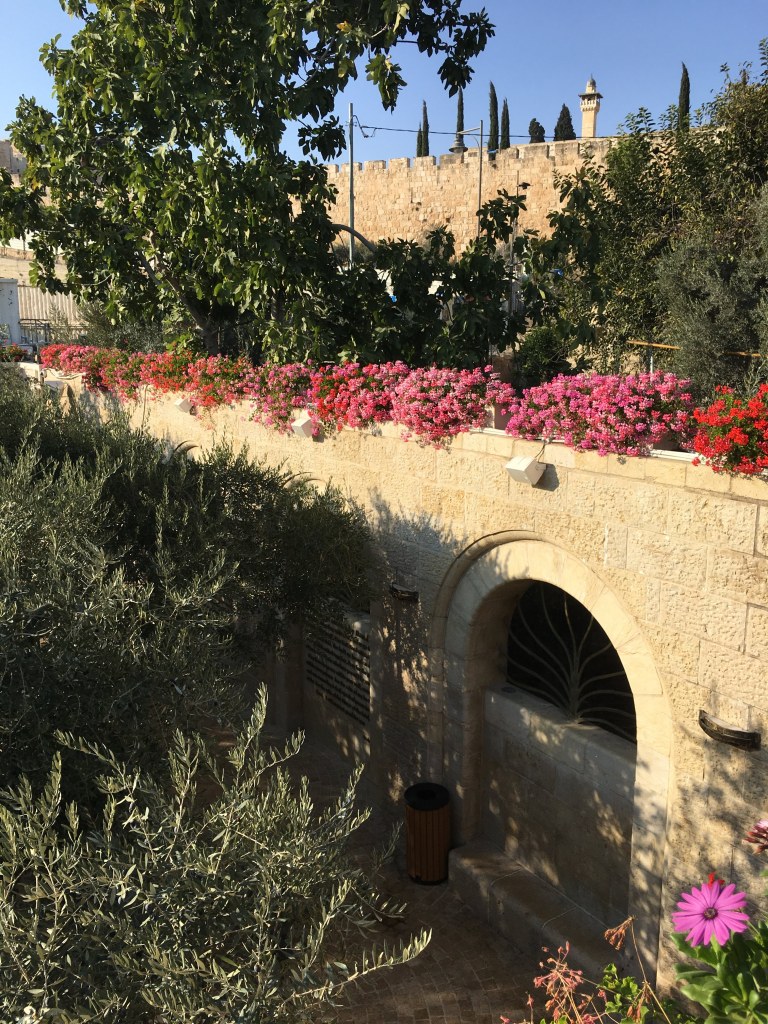
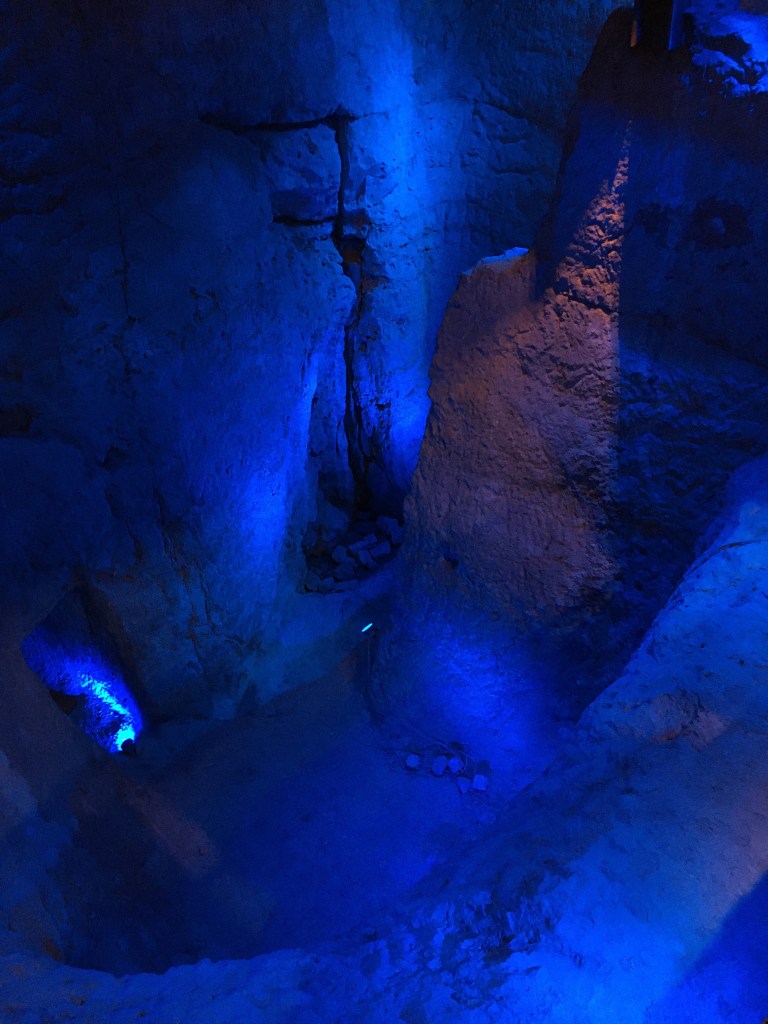
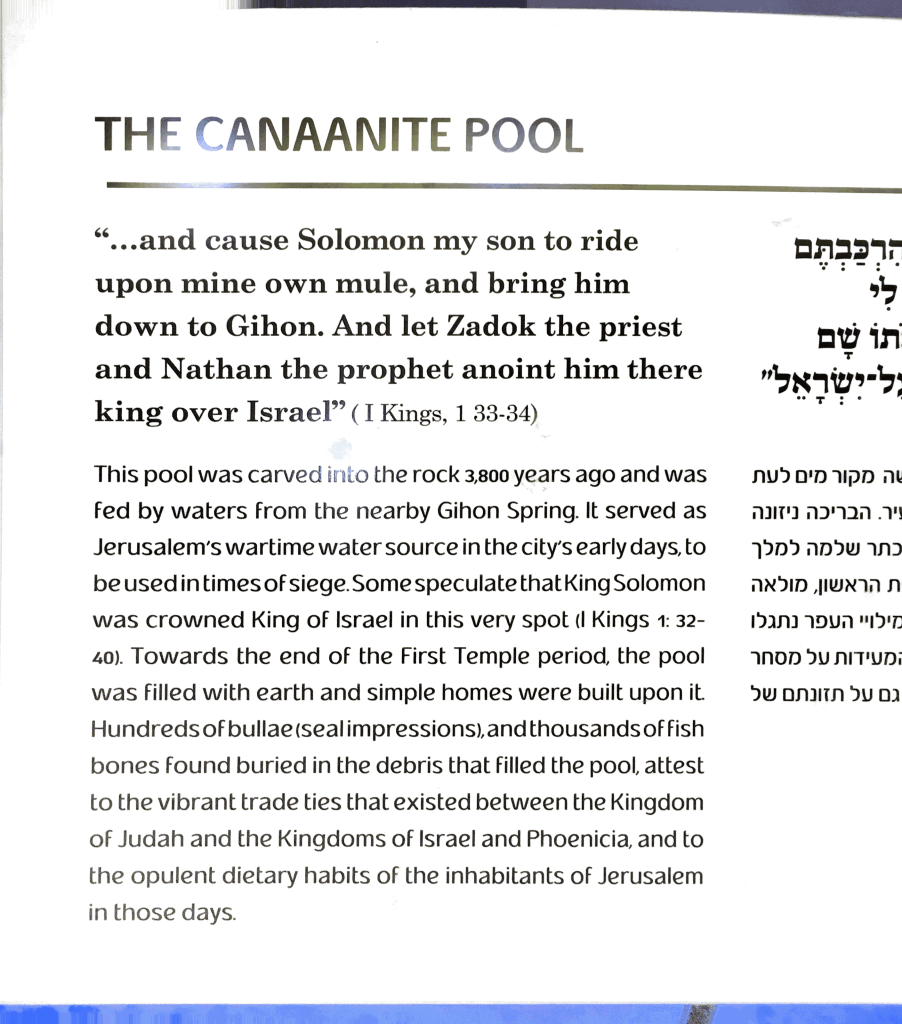
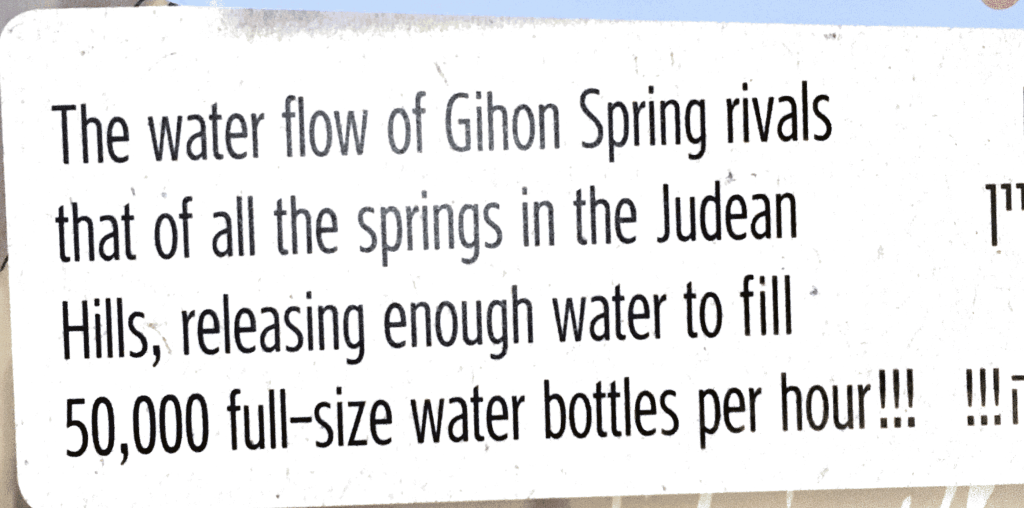
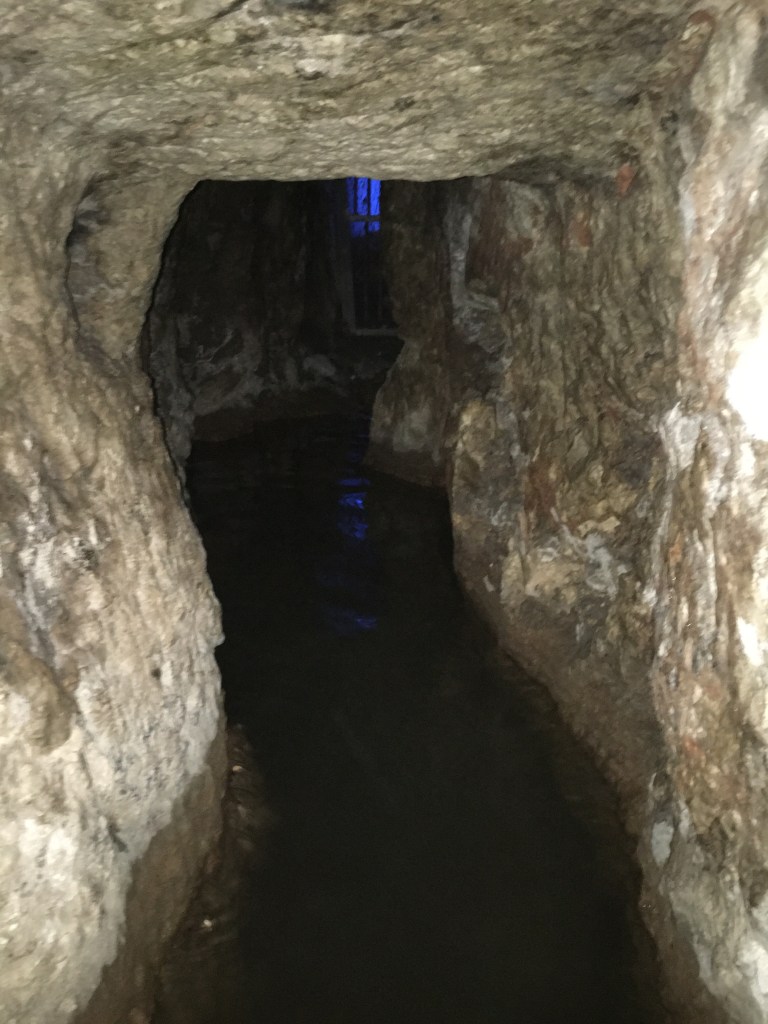

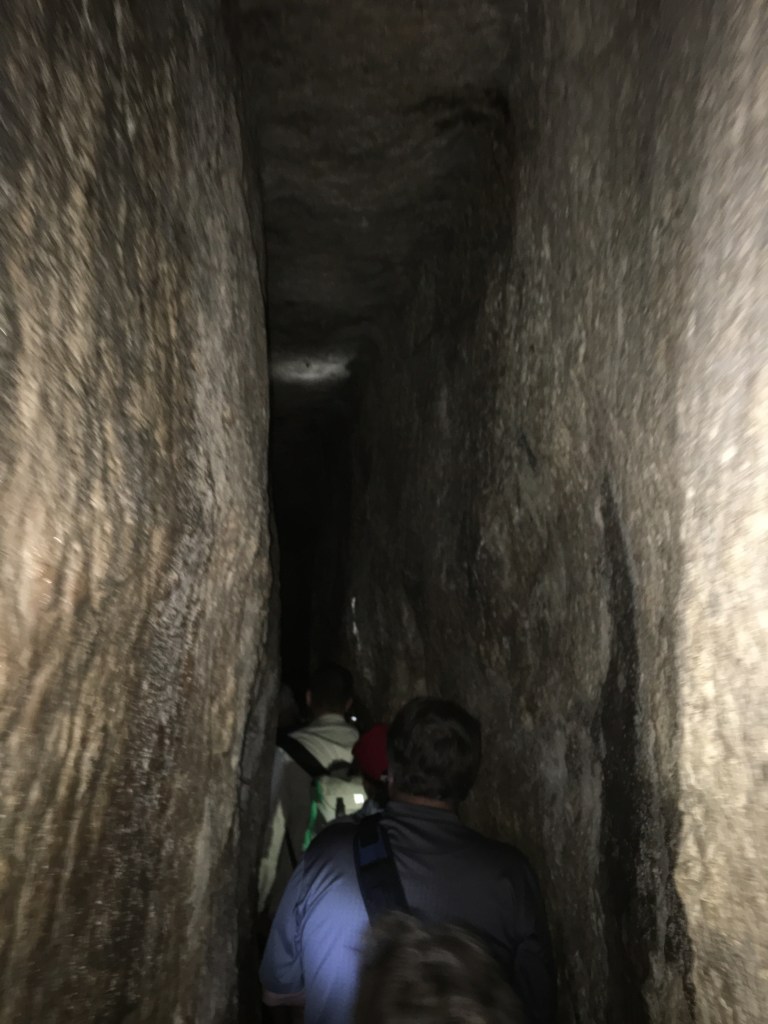
Hezekiahs tunnel as a test of the blind mans faith. If you had no light, but you could feel Him (the walls) you could hear Him (command you to go to pool of Siloam). Would you walk in the darkness so that you would truly see for the first time the miracles God has in store for us. Would you trust Him? Just like the blind man had his vision restored, we too can see with clarity when we reach the end of the tunnel. But we must walk by faith, trusting it is safe, trusting that it leads to salvation, knowing that it will be uncomfortable. WE ARE THE BLIND MAN. “Such is the blindness of men that they delight in blindness” – St. Augustine
1 As he passed by, he saw a man blind from birth. 2 And his disciples asked him, “Rabbi, who sinned, this man or his parents, that he was born blind?” 3 Jesus answered, “It was not that this man sinned, or his parents, but that the works of God might be displayed in him. 4 We must work the works of him who sent me while it is day; night is coming, when no one can work. 5 As long as I am in the world, I am the light of the world.” 6 Having said these things, he spit on the ground and made mud with the saliva. Then he anointed the man’s eyes with the mud 7 and said to him, “Go, wash in the pool of Siloam” (which means Sent). So he went and washed and came back seeing. 8 The neighbors and those who had seen him before as a beggar were saying, “Is this not the man who used to sit and beg?” 9 Some said, “It is he.” Others said, “No, but he is like him.” He kept saying, “I am the man.” 10 So they said to him, “Then how were your eyes opened?” 11 He answered, “The man called Jesus made mud and anointed my eyes and said to me, ‘Go to Siloam and wash.’ So I went and washed and received my sight.” 12 They said to him, “Where is he?” He said, “I do not know.” 13 They brought to the Pharisees the man who had formerly been blind. 14 Now it was a Sabbath day when Jesus made the mud and opened his eyes. 15 So the Pharisees again asked him how he had received his sight. And he said to them, “He put mud on my eyes, and I washed, and I see.” 16 Some of the Pharisees said, “This man is not from God, for he does not keep the Sabbath.” But others said, “How can a man who is a sinner do such signs?” And there was a division among them. 17 So they said again to the blind man, “What do you say about him, since he has opened your eyes?” He said, “He is a prophet.” 18 The Jews did not believe that he had been blind and had received his sight, until they called the parents of the man who had received his sight 19 and asked them, “Is this your son, who you say was born blind? How then does he now see?” 20 His parents answered, “We know that this is our son and that he was born blind. 21 But how he now sees we do not know, nor do we know who opened his eyes. Ask him; he is of age. He will speak for himself.” 22 (His parents said these things because they feared the Jews, for the Jews had already agreed that if anyone should confess Jesus to be Christ, he was to be put out of the synagogue.) 23 Therefore his parents said, “He is of age; ask him.” 24 So for the second time they called the man who had been blind and said to him, “Give glory to God. We know that this man is a sinner.” 25 He answered, “Whether he is a sinner I do not know. One thing I do know, that though I was blind, now I see.” 26 They said to him, “What did he do to you? How did he open your eyes?” 27 He answered them, “I have told you already, and you would not listen. Why do you want to hear it again? Do you also want to become his disciples?” 28 And they reviled him, saying, “You are his disciple, but we are disciples of Moses. 29 We know that God has spoken to Moses, but as for this man, we do not know where he comes from.” 30 The man answered, “Why, this is an amazing thing! You do not know where he comes from, and yet he opened my eyes. 31 We know that God does not listen to sinners, but if anyone is a worshiper of God and does his will, God listens to him. 32 Never since the world began has it been heard that anyone opened the eyes of a man born blind. 33 If this man were not from God, he could do nothing.” 34 They answered him, “You were born in utter sin, and would you teach us?” And they cast him out. 35 Jesus heard that they had cast him out, and having found him he said, “Do you believe in the Son of Man?” 36 He answered, “And who is he, sir, that I may believe in him?” 37 Jesus said to him, “You have seen him, and it is he who is speaking to you.” 38 He said, “Lord, I believe,” and he worshiped him. 39 Jesus said, “For judgment I came into this world, that those who do not see may see, and those who see may become blind.” 40 Some of the Pharisees near him heard these things, and said to him, “Are we also blind?” 41 Jesus said to them, “If you were blind, you would have no guilt; but now that you say, ‘We see,’ your guilt remains. – John 9:1-41
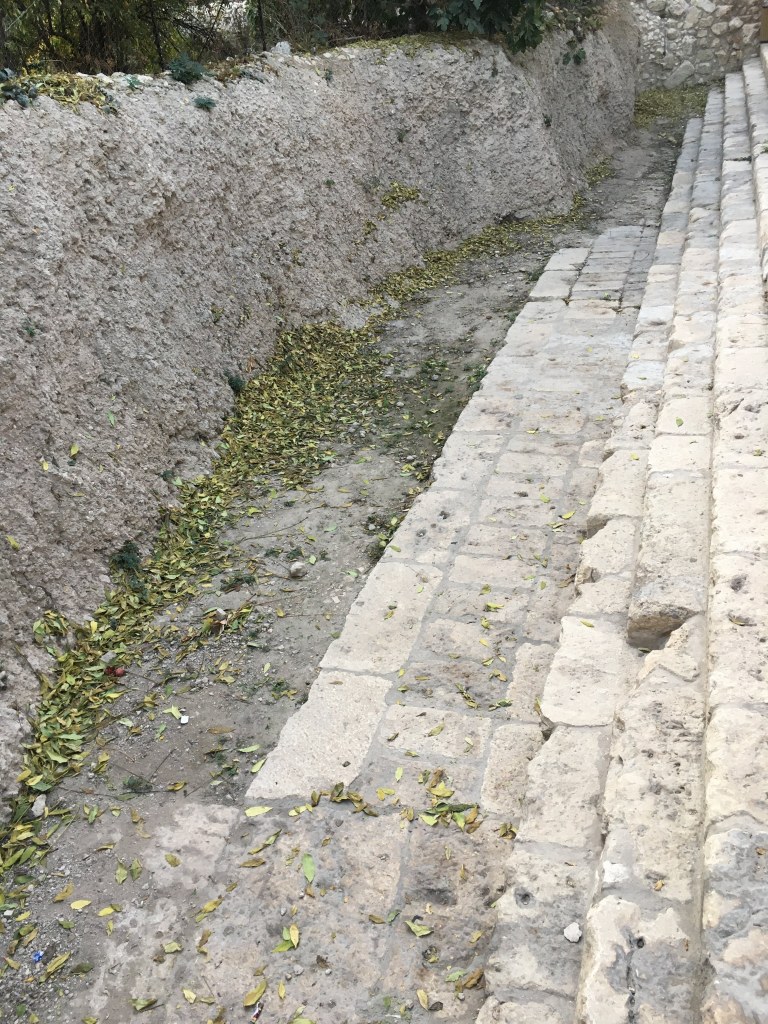
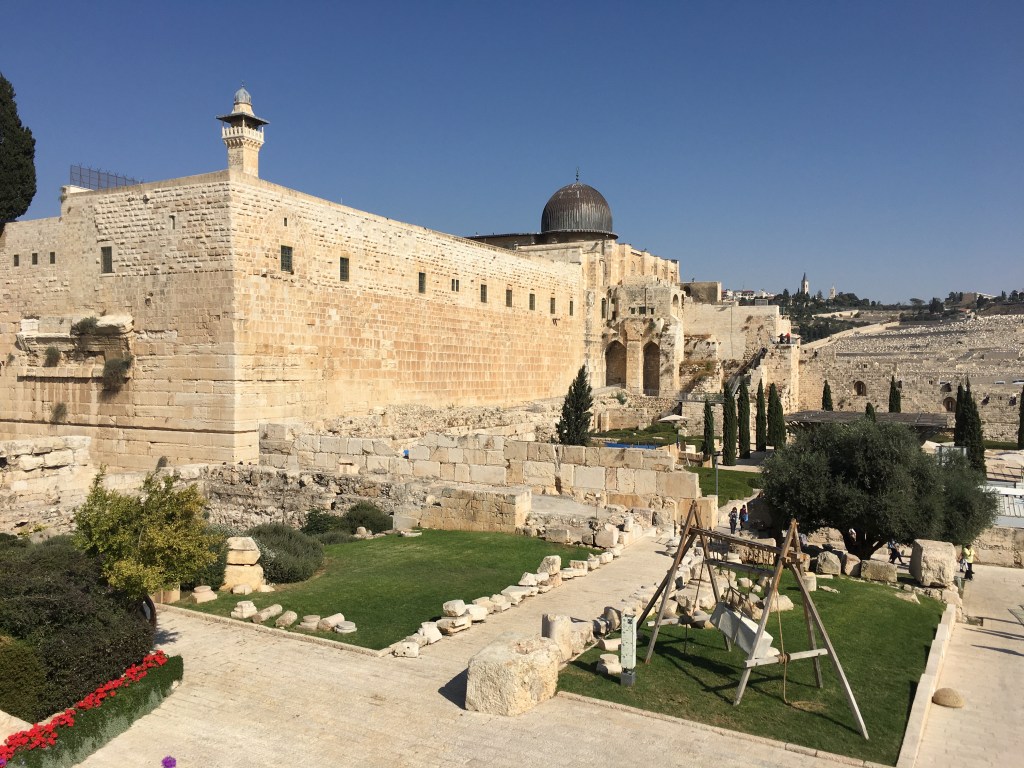
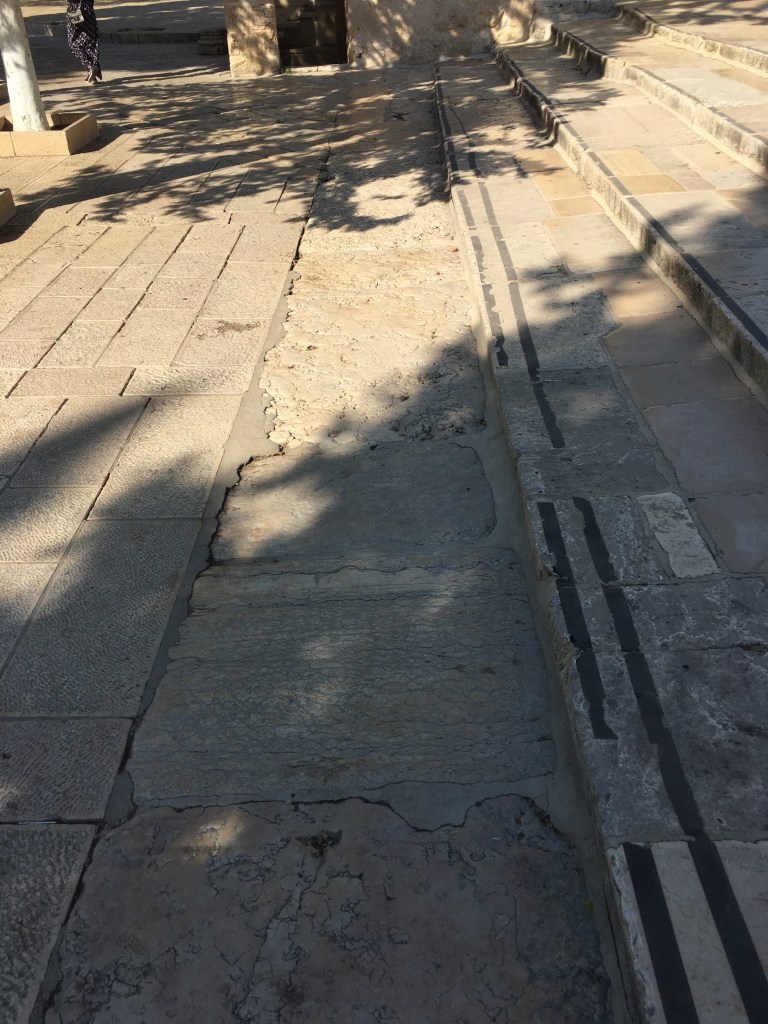
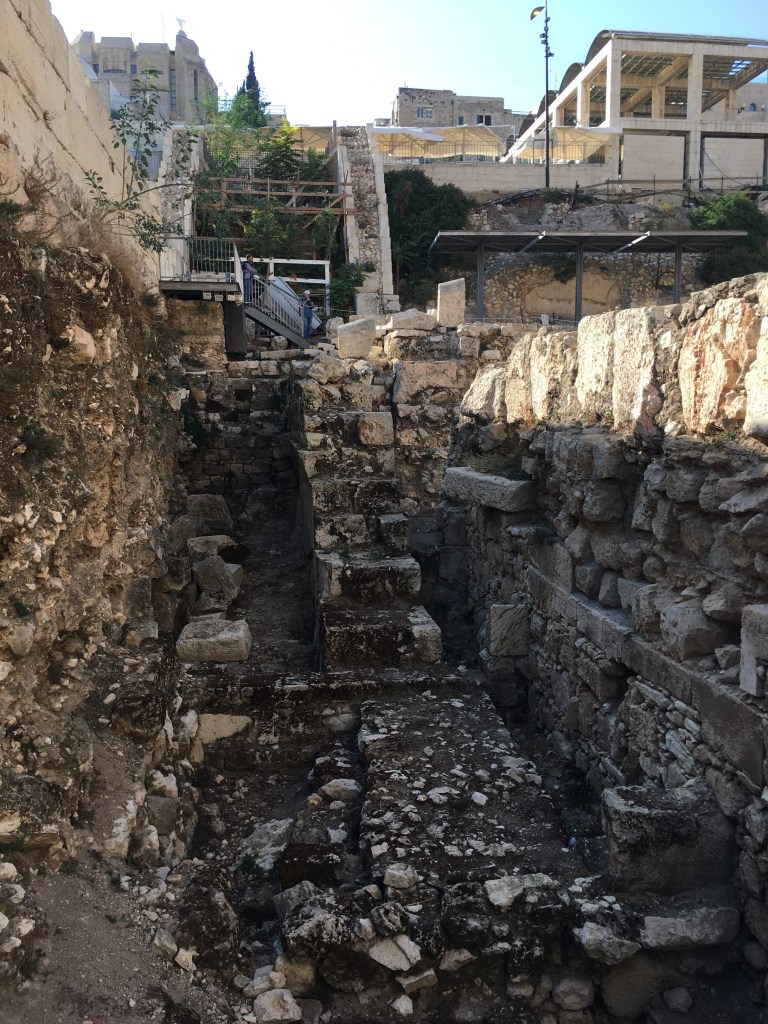
Extensive excavations have revealed steps leading up to the Temple dating back to the time of Jesus
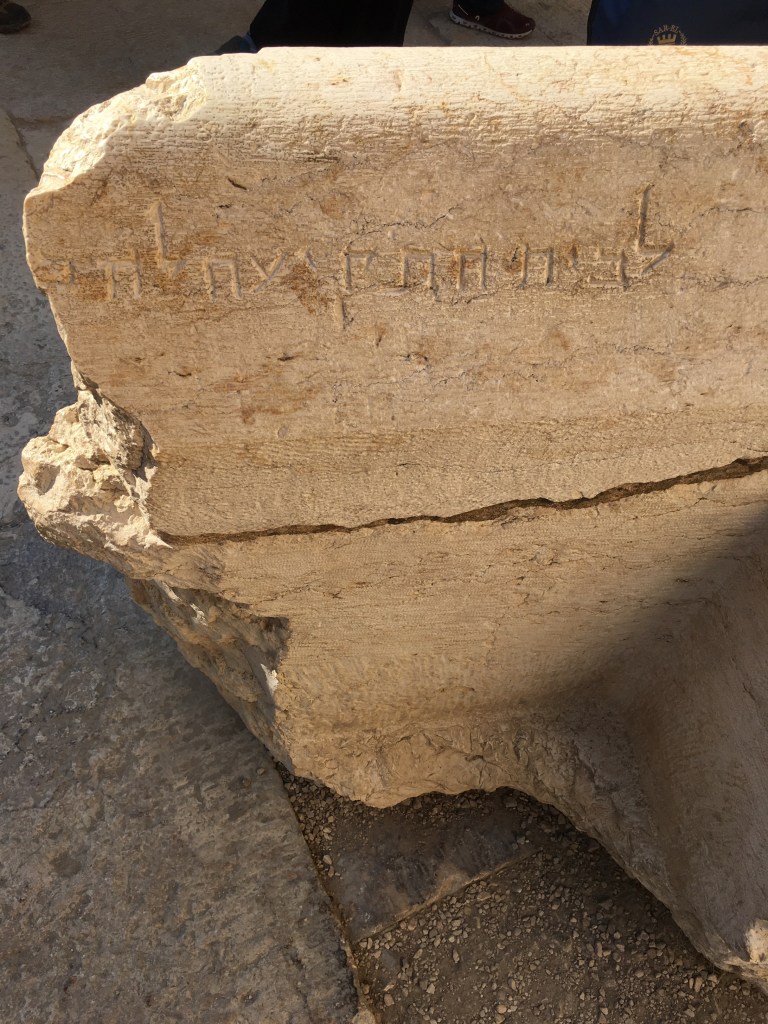
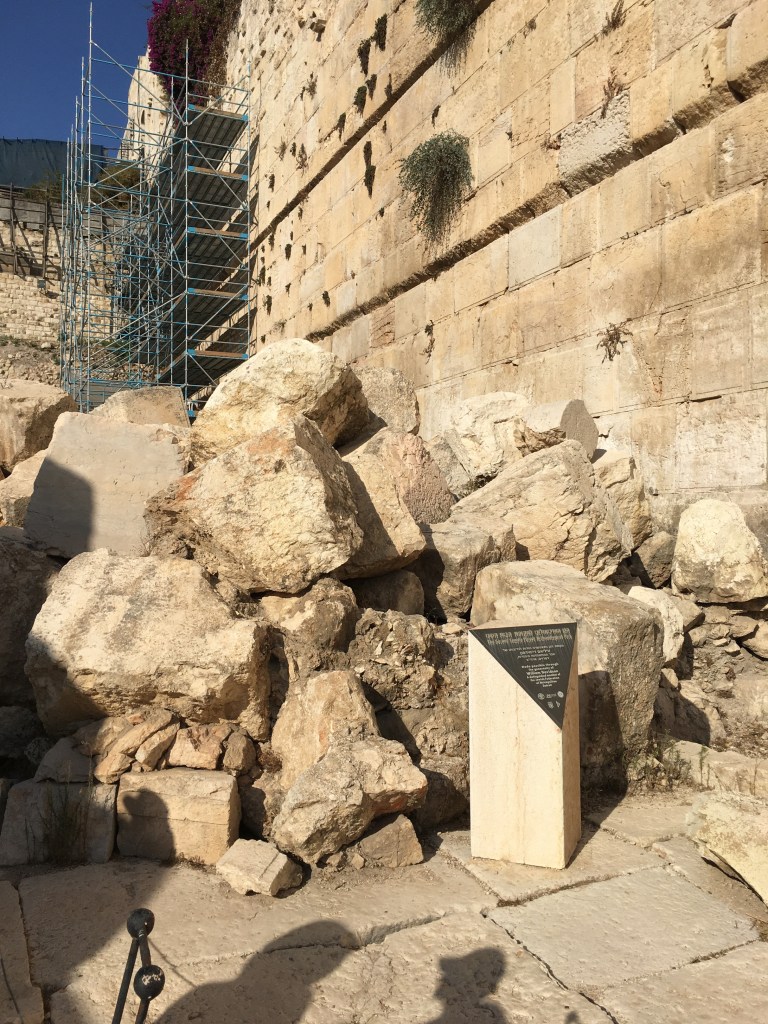
The southern side of the temple mount was fortified and built from the Herod the Great, King of Israel under the Romans (37BC – 4BC), enlarged and rebuilt the second temple, and made it a magnificent temple. The destruction in 70 AD, after the Jewish revolt against the Romans, left most of Herod’s second temple in rubble.
Astronaut Neil Armstrong once said he was more excited to walk on these steps where Jesus walked than he was to walk on the moon.
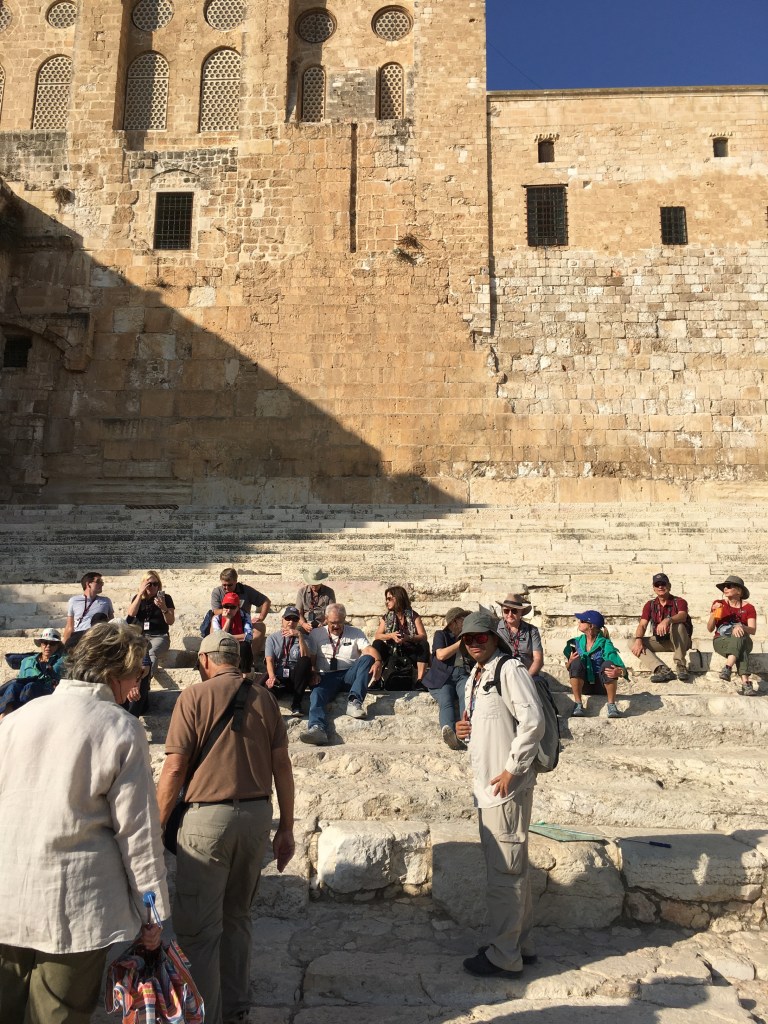
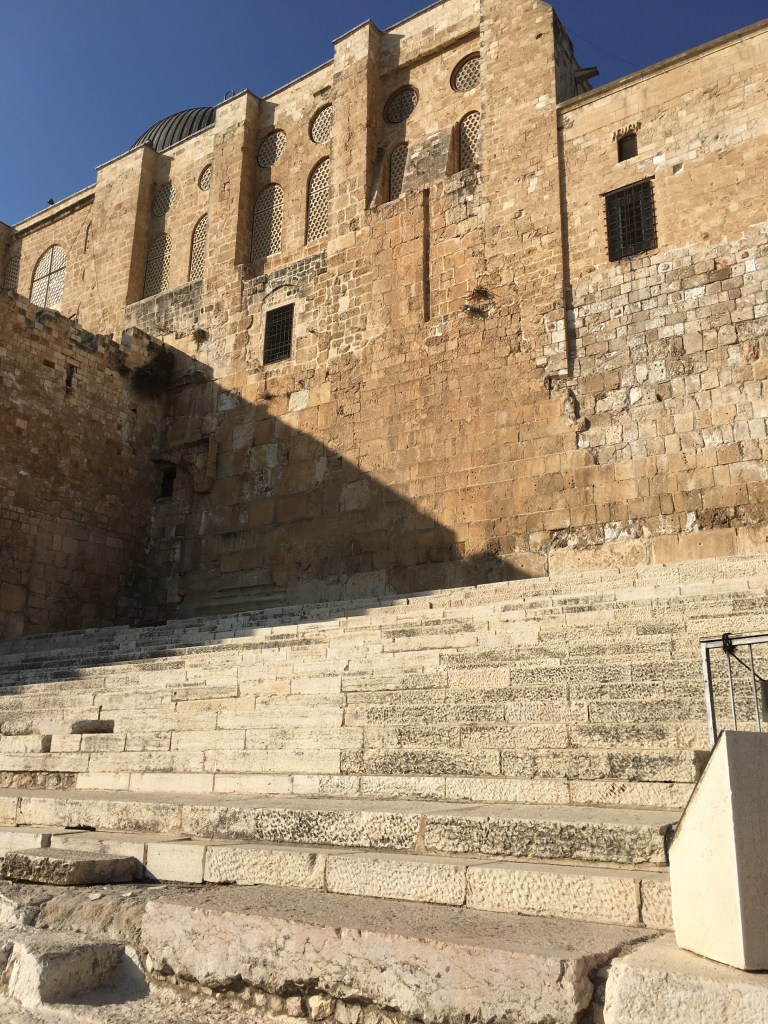
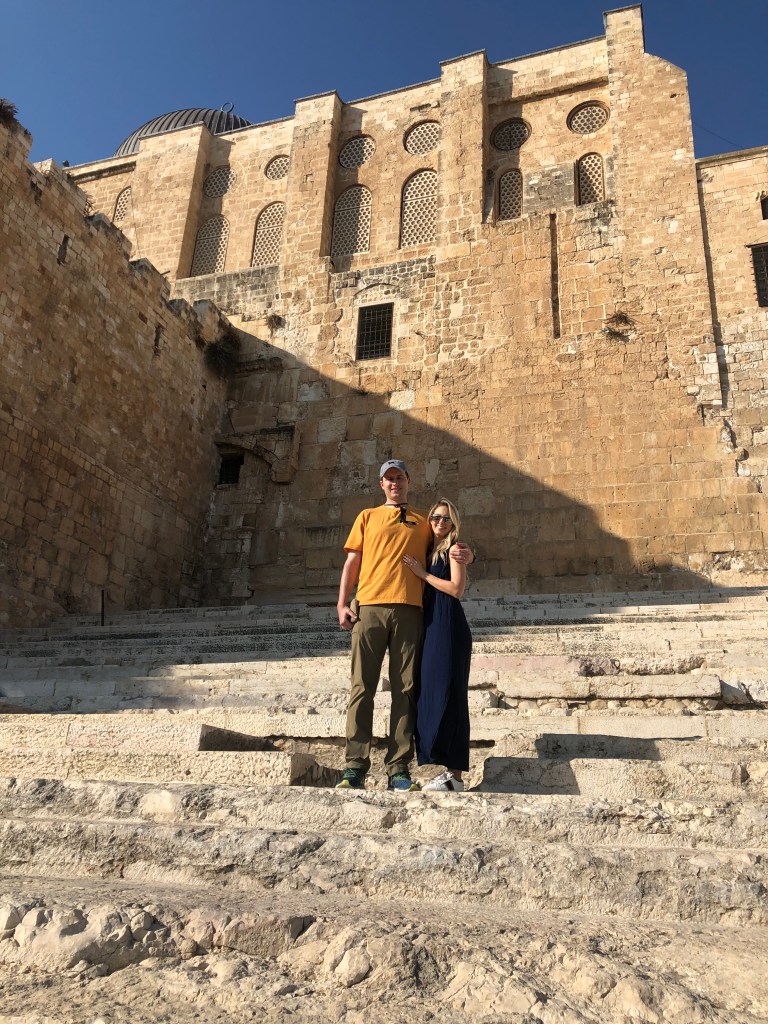
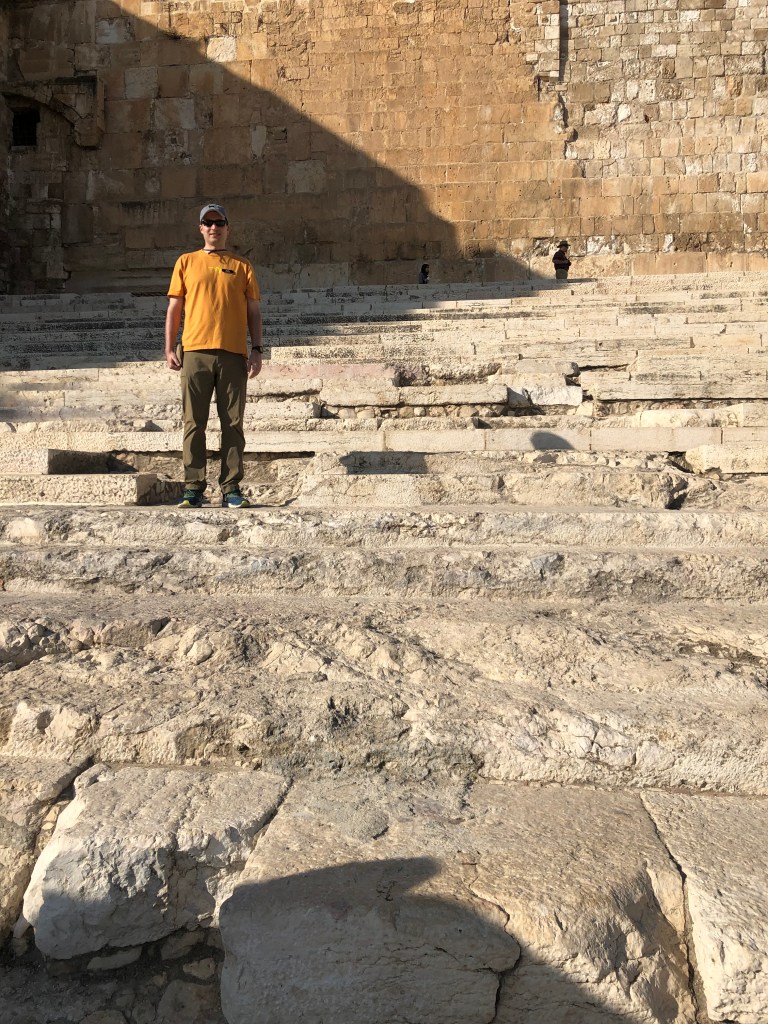
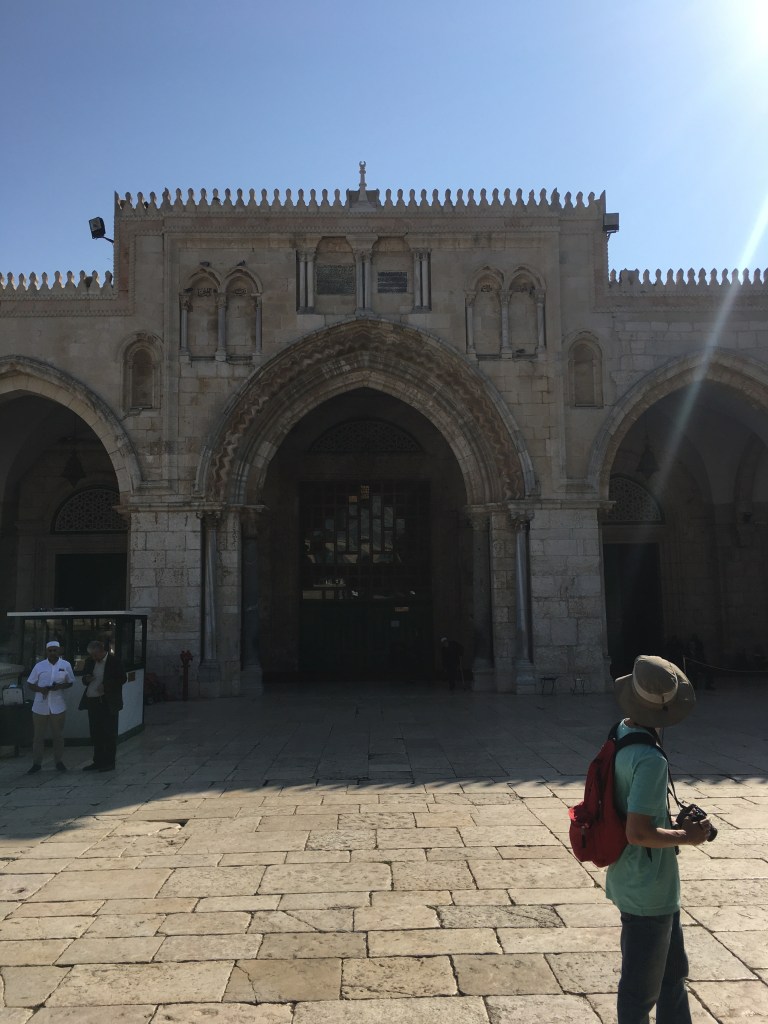
The temple mount is the place where the Biblical temples were built, starting from King Solomon almost 3,000 years ago. The temple was built in 3 phases (Solomon, Zerubbabel, and Herod) and was destroyed by the Romans. The temple was never rebuilt again by the Jews, and replaced by the Muslim shrines in the 8th C AD which stand there today over the ruins of the base of the Roman period temple. (Source: Biblewalks.com)


Have a WordPress.com account? Log in now.

