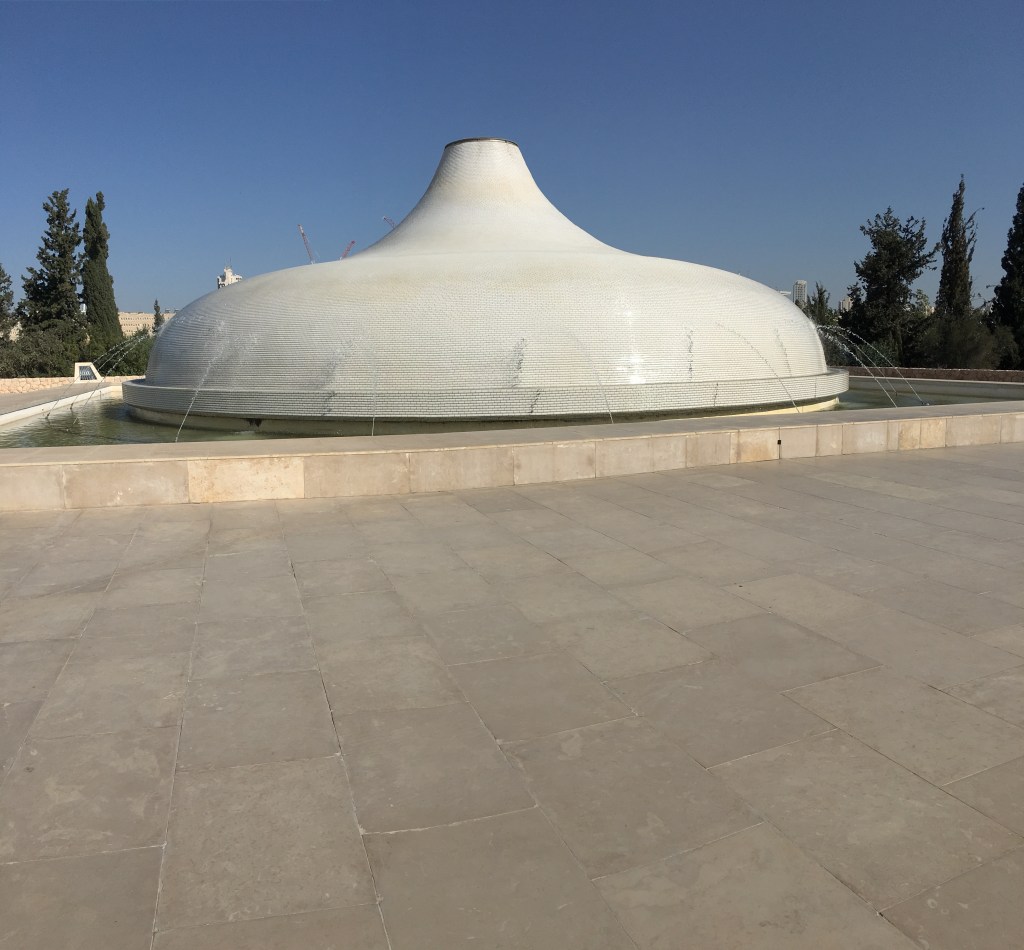
The Shrine of the Book was built as a repository for the first seven scrolls discovered at Qumran in 1947. The unique white dome embodies the lids of the jars in which the first scrolls were found. This symbolic building, a kind of sanctuary intended to express profound spiritual meaning, is considered an international landmark of modern architecture. Designed by American Jewish architects Armand P. Bartos and Frederic J. Kiesler, it was dedicated in an impressive ceremony on April 20, 1965. Its location next to official institutions of the State of Israel—the Knesset (Israeli Parliament), key government offices, and the Jewish National and University Library—is appropriate considering the degree of national importance that has been accorded the ancient texts and the building that preserves them.
The contrast between the white dome and the black wall alongside it alludes to the tension evident in the scrolls between the spiritual world of the “Sons of Light” (as the Judean Desert sectarians called themselves) and the “Sons of Darkness” (the sect’s enemies). The corridor leading into the Shrine resembles a cave, recalling the site where the ancient manuscripts were discovered.
Providing a vivid context for the Shrine of the Book and the Dead Sea Scrolls and for many contemporaneous archaeological artifacts displayed throughout the Museum, the Model Illustrates one of the most formative periods in the history of the Jewish people and bears a deep connection to the symbols of modern statehood that surround the Museum campus. (Source: Shrine of the Book website)
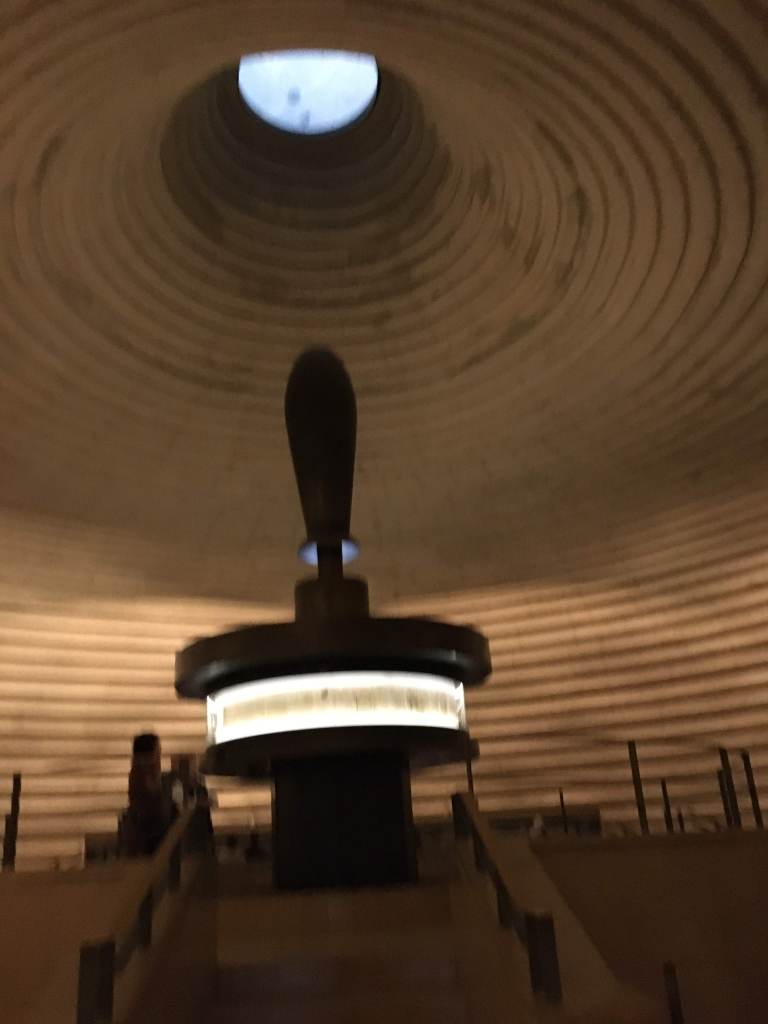
Inside the shrine of the book is really awesome and has tons of exhibits. But you are not supposed to take pictures inside, which is why I only have this one blurry photo to give an idea of what it looks like inside. The center display is a replica of the Dead Sea scrolls. 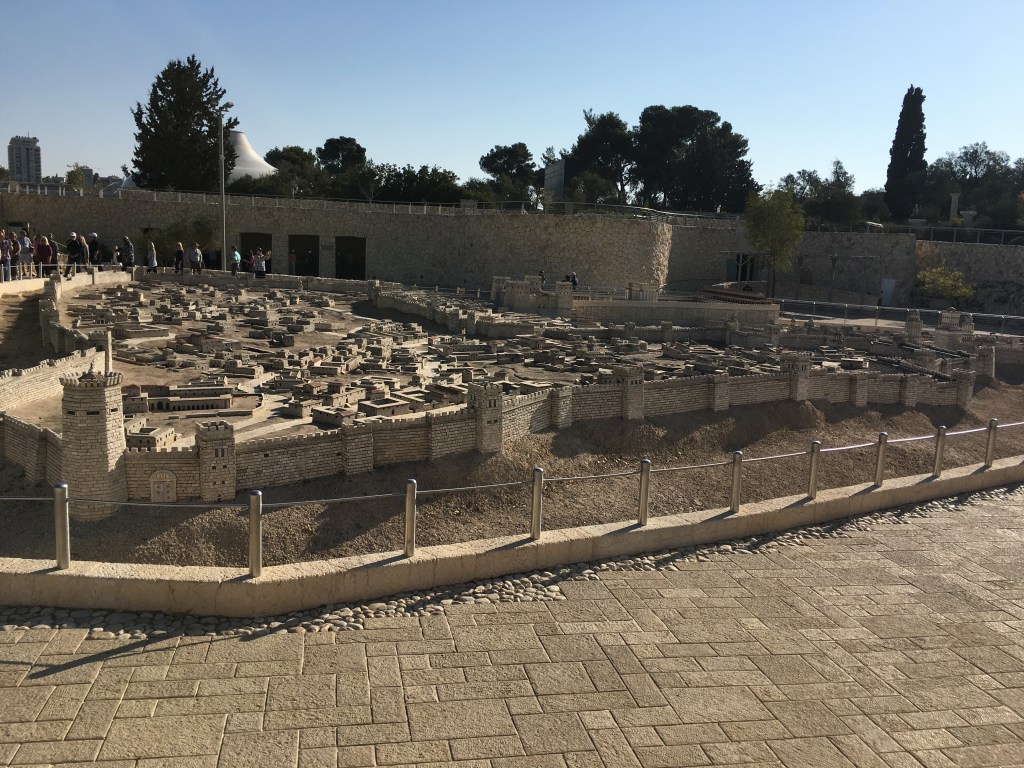
Incredibly elaborate model of the city during the time of the second temple. This is a view from the West facing East. 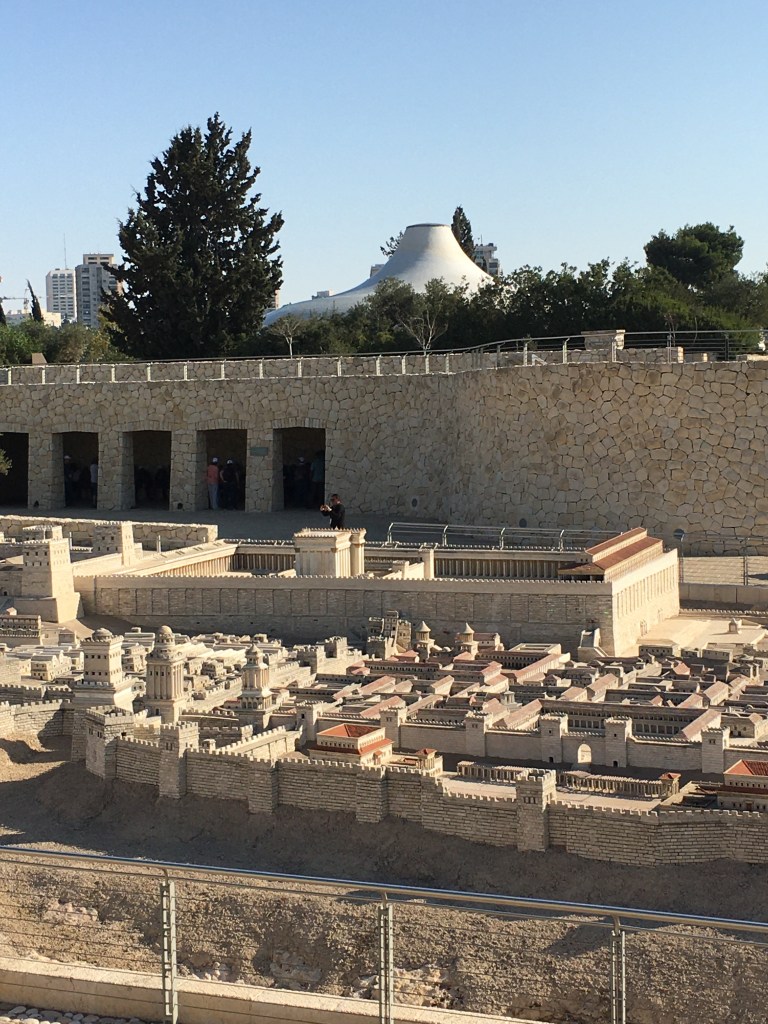
Closer view from the West facing East. The western wall of the temple still stands today and is known as the Wailing Wall, where Jewish believers mourn the destruction of the temple. 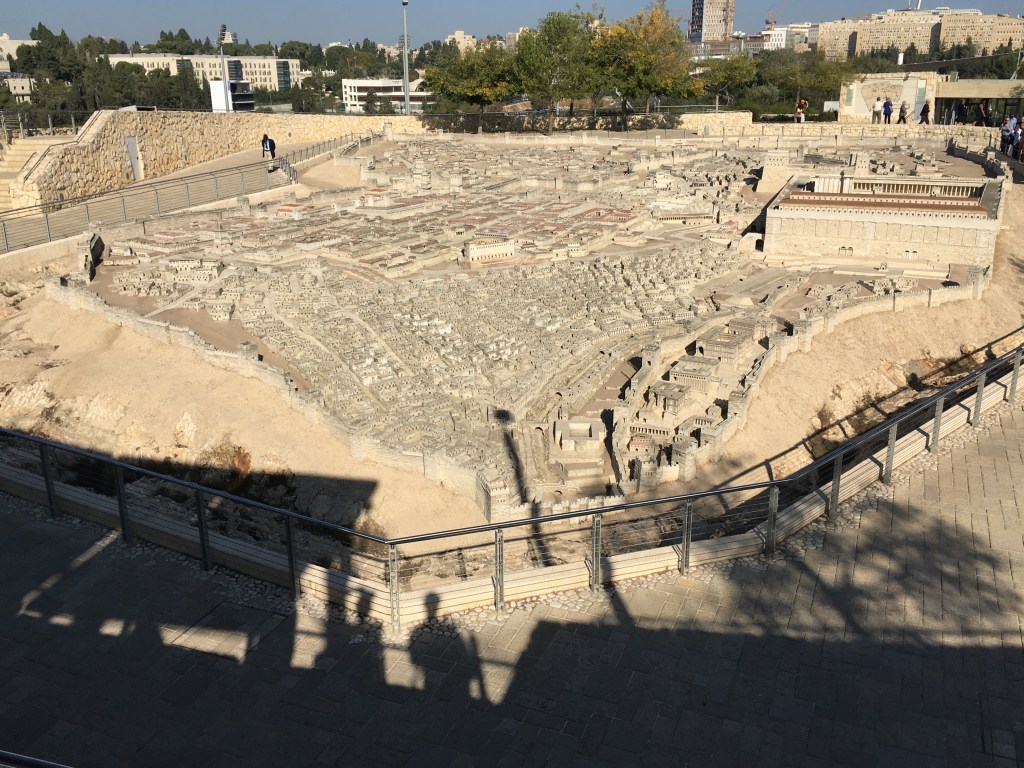
View from Southern side of city. The small section of city shown in the bottom right, south of the temple, is the original City of David. 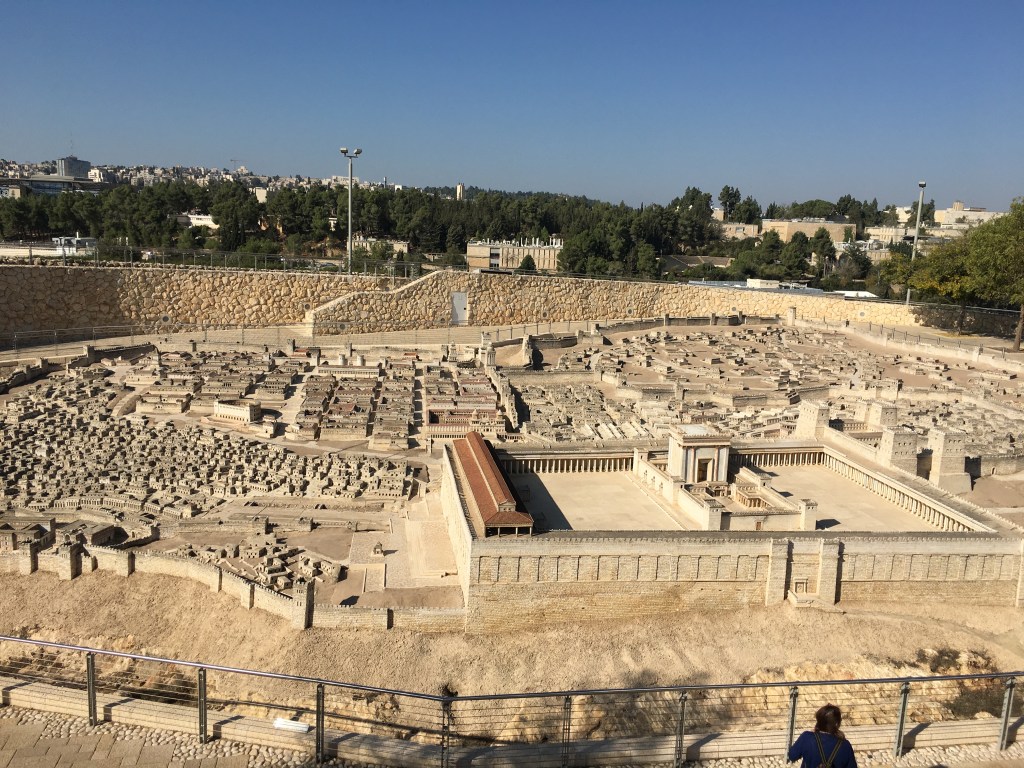
View from the East facing West. This would be as if you were standing on the Mount of Olives overlooking the temple. 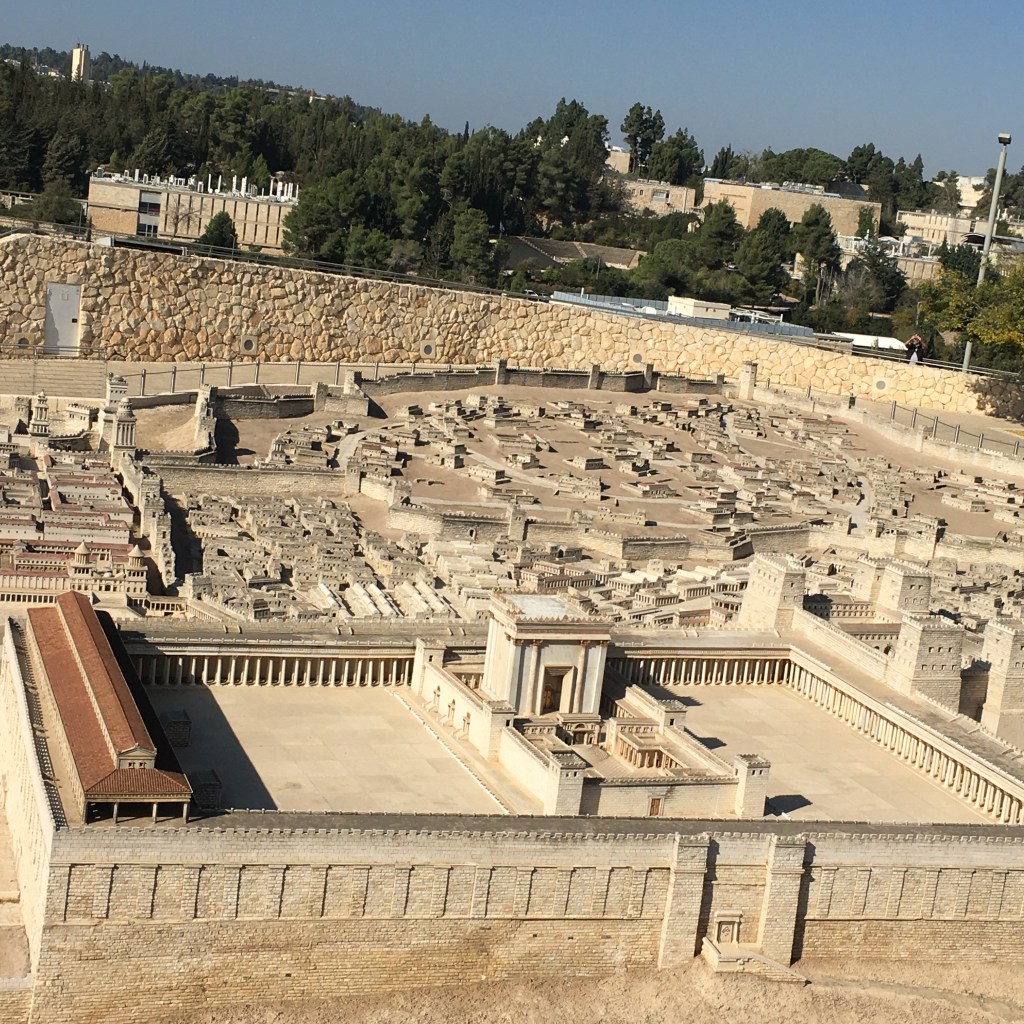
Closer view of the temple. 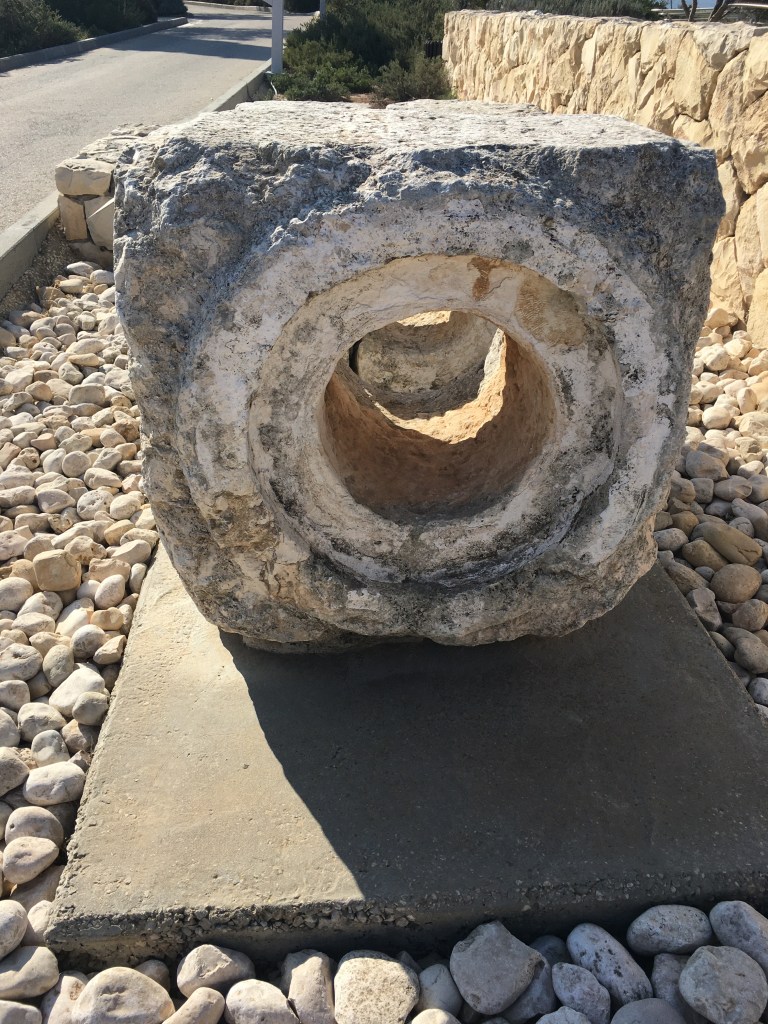
Ancient aquaduct pieces (pipe) 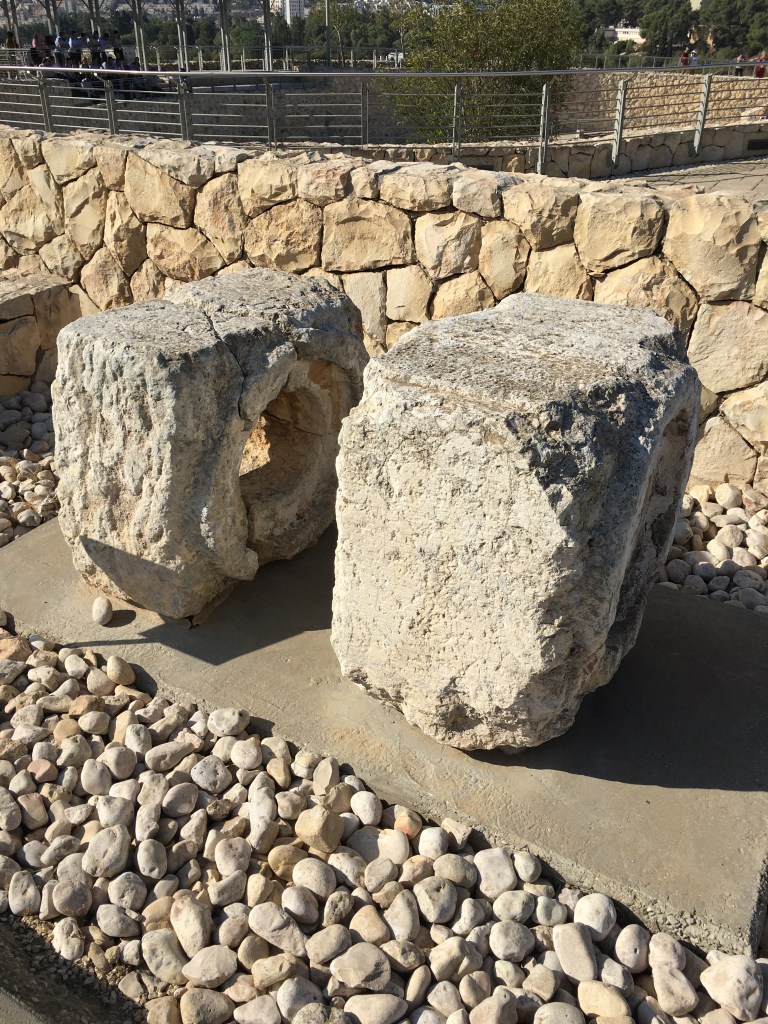
 Kevin & Aly: Travel to Israel