Refelection: Qumran was really one of our favorite places to visit on the trip. The commitment that the community of Qumran had to the preservation of the Bible was deeply moving. When you are there in the dry dessert, you have an appreciation for the sacrifices that were made in order to protect and preserve the Bible.
Knowing that there is fertile land not too far from the areas where the Dead Sea scrolls were found (all of Israel is roughly the size of New Jersey), it is clear that choosing this remote location was intentional and required a deep commitment to the mission of preservation.
Prayer: That we would be willing to sacrifice comfort in order to deepen our faith.
Overview:
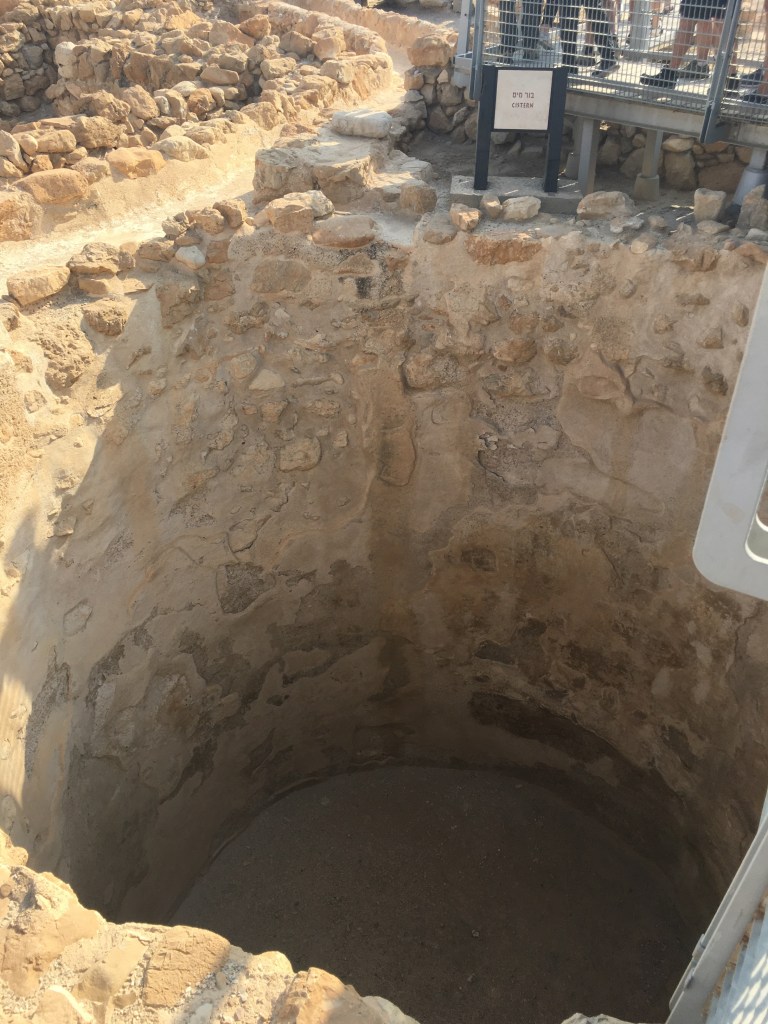
Ruins of a famous Roman period settlement on the north-western shore of the Dead Sea, home of the Essenes, a break-away sect. Scrolls, hidden in jars, were discovered in the caves around the site, and are an important contribution to Biblical and historical research and are regarded as one of Israel’s most precious national treasures.
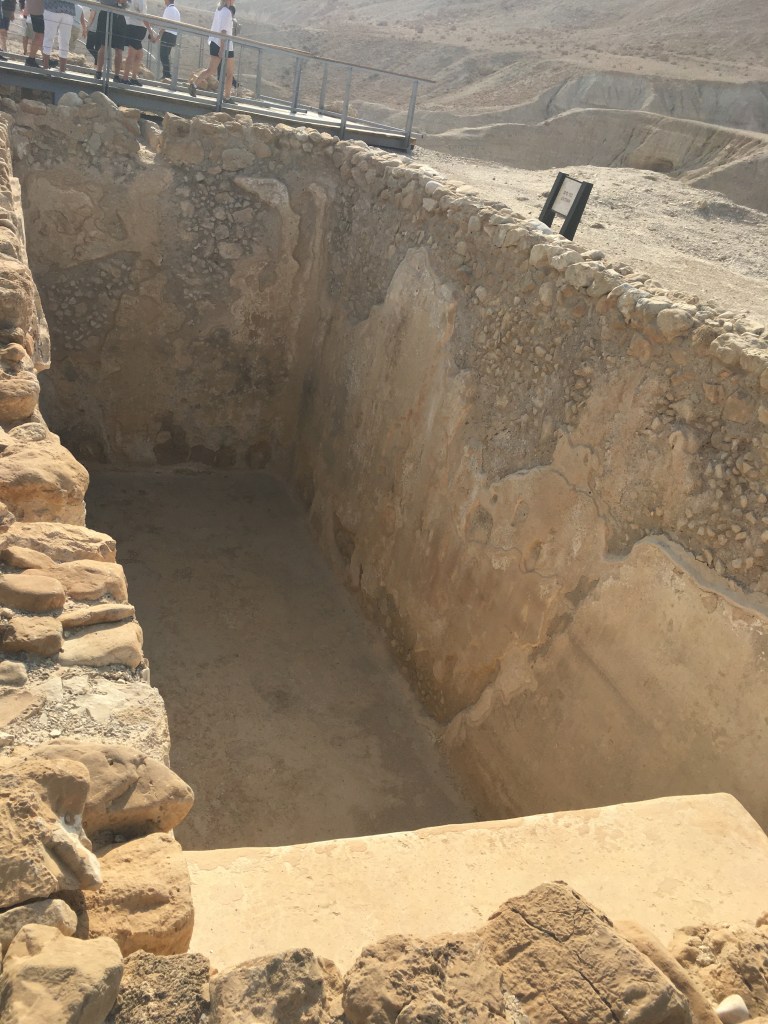
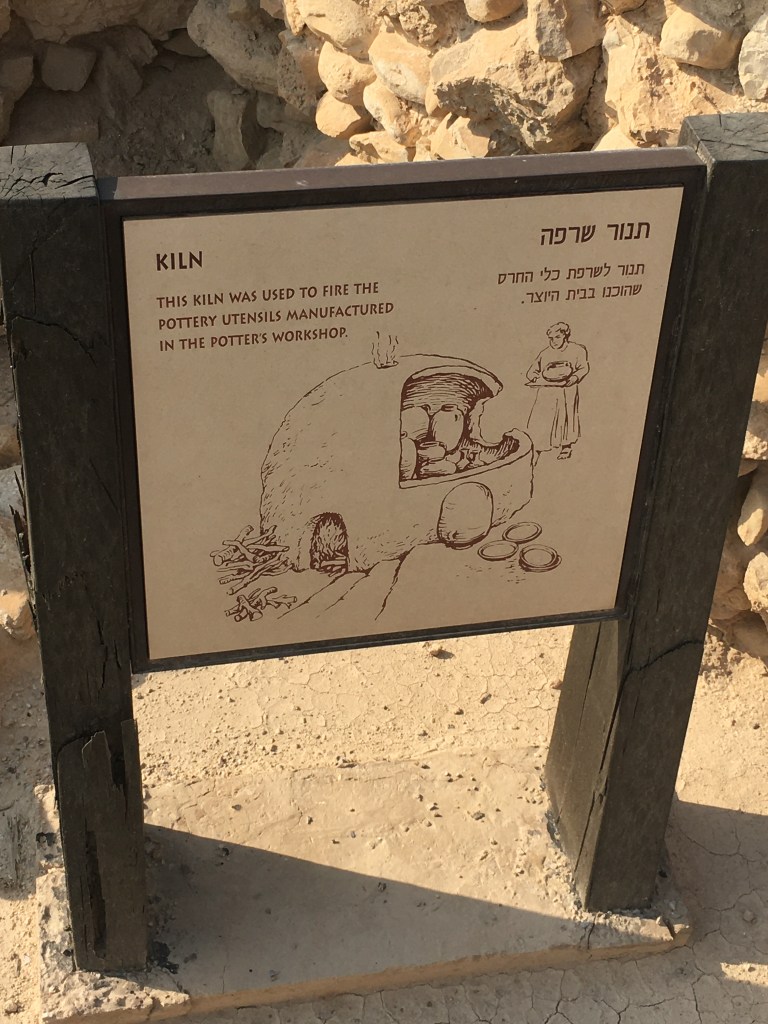
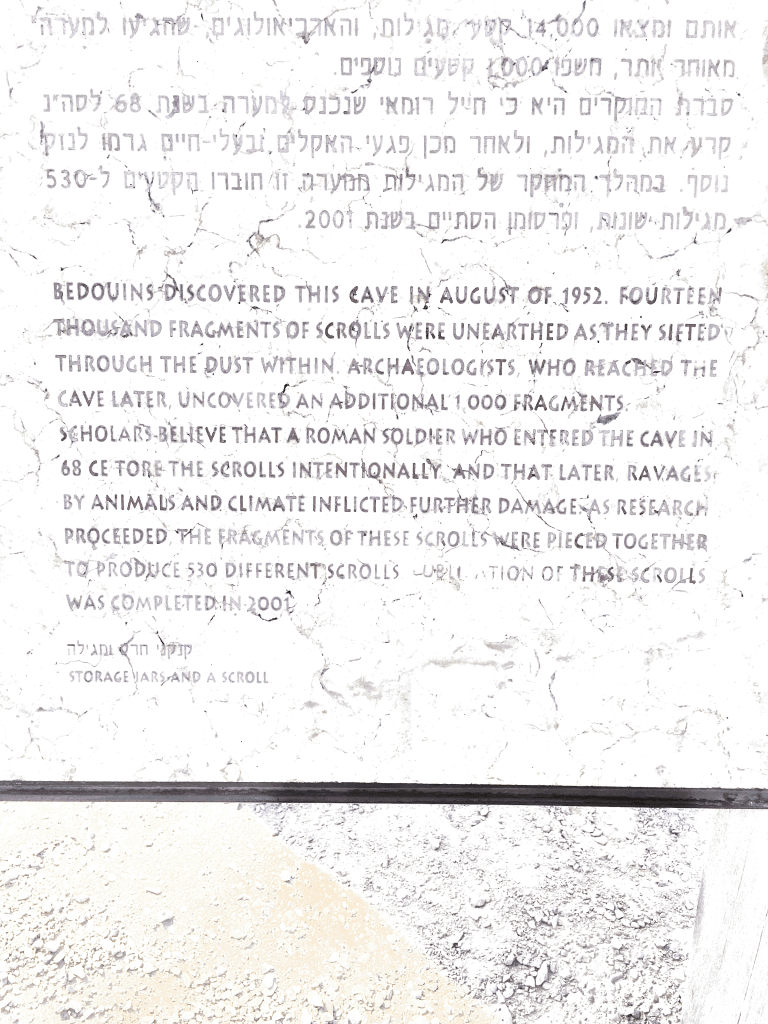
In 1947 Bedouins shepherds discovered ancient scrolls in a local cave 1.5KM to the north of Qumran (“cave #1”). The area was excavated and additional scrolls and fragments were discovered in 11 caves around Qumran. The scrolls were hidden in jars, and were preserved relatively well due to the dry climate of the Judean desert. From the distribution of the location of the scrolls the archaeologists determined that Qumran was the nucleus of Essenes activity in the region, a sort of learning center for the sect. The buildings in Qumran included mainly public structures that hosted large public events, workshops and a scriptorium where the scrolls were written. Most of the residences were probably in tents around the center. A large cemetery of a thousand tombs were located near the ruins of Qumran, which further indicated that Qumran was a center for the Essenes sect.
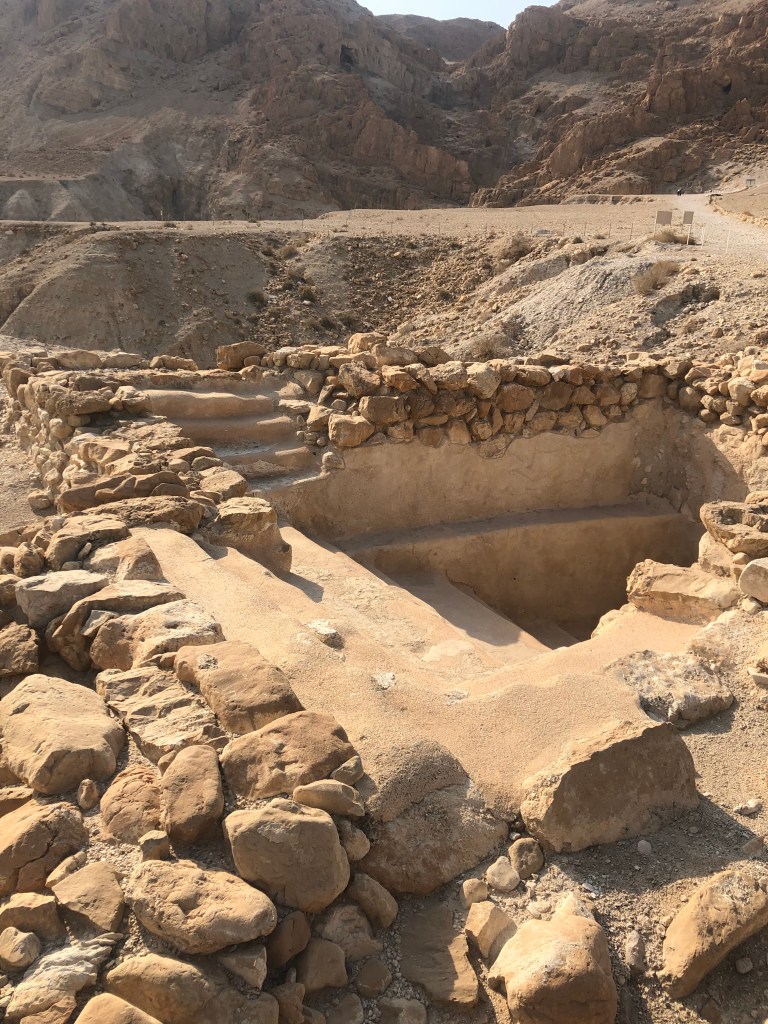
Established by one of the first Judeo Christian communities ever (the Sons of Light). Believing that the Pharisees were corrupt, they retreated to the mountains. They would bathe in ritual baths before handwriting the Torah, which takes approximately one year. They stored the text in caves to keep them away from the Romans whom they feared would destroy their heritage.
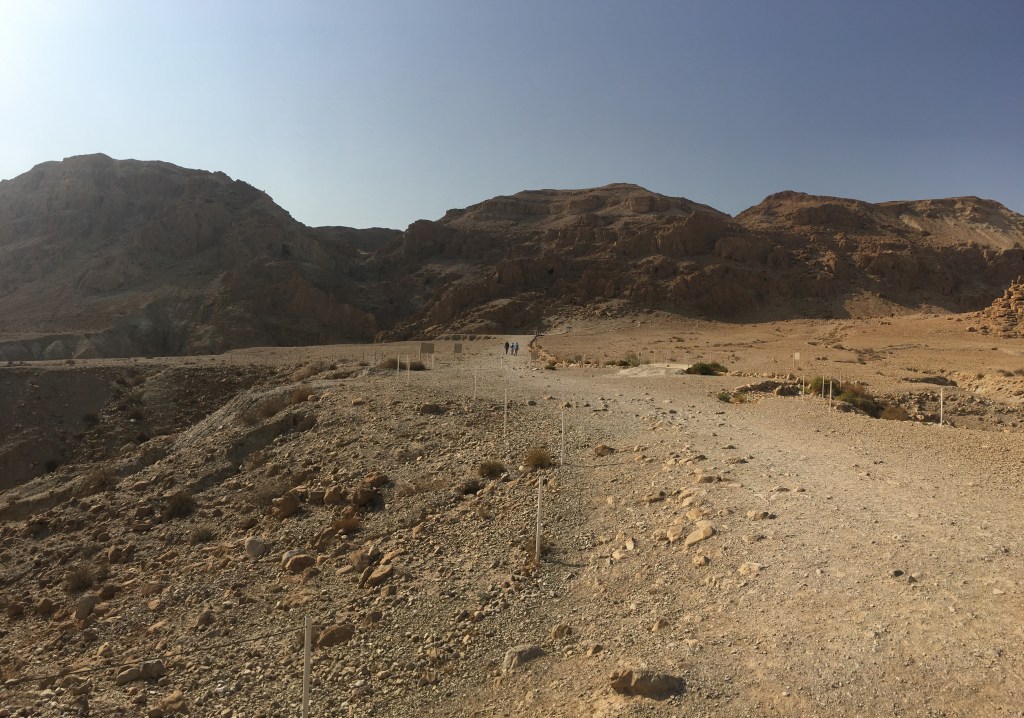
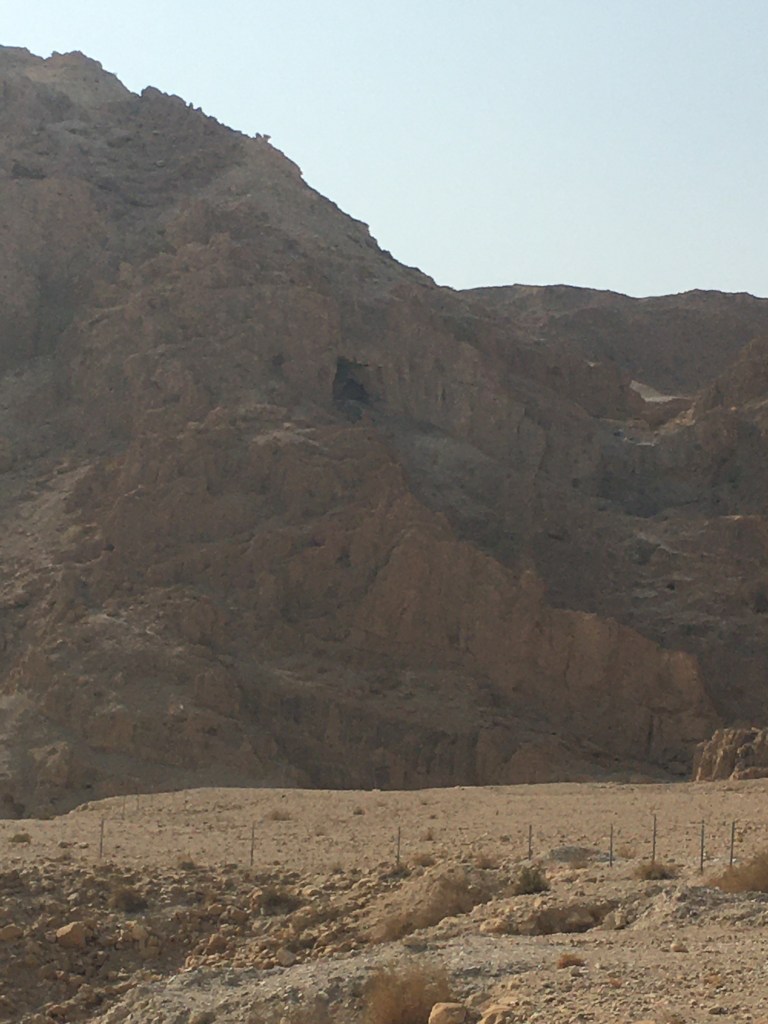
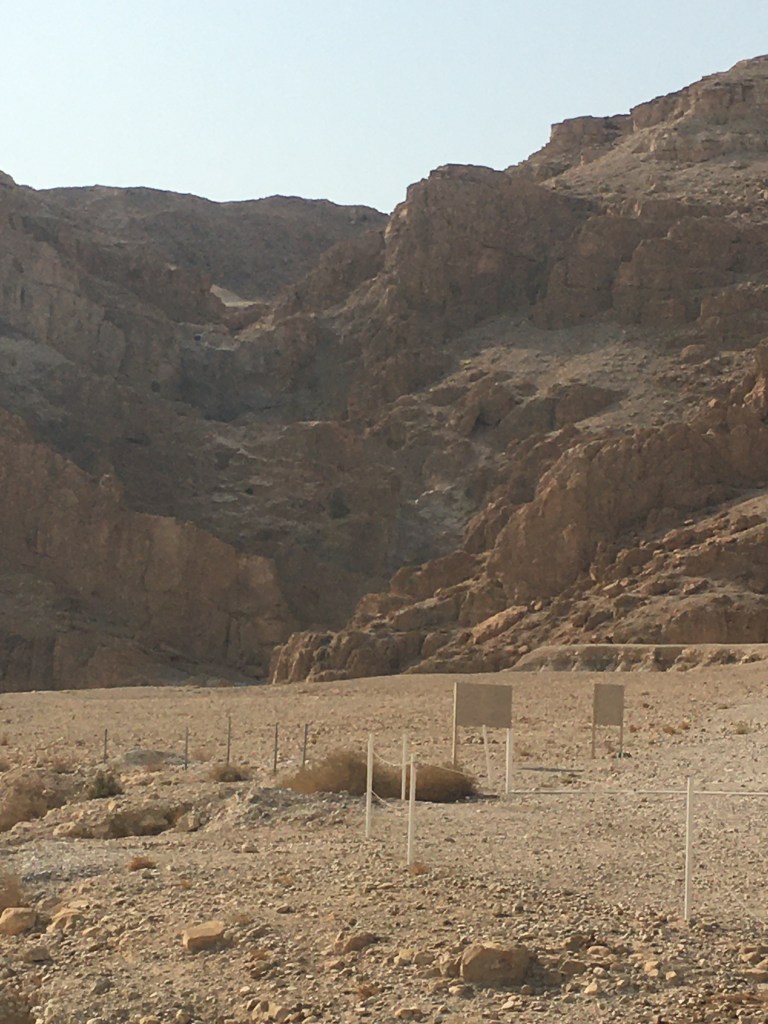

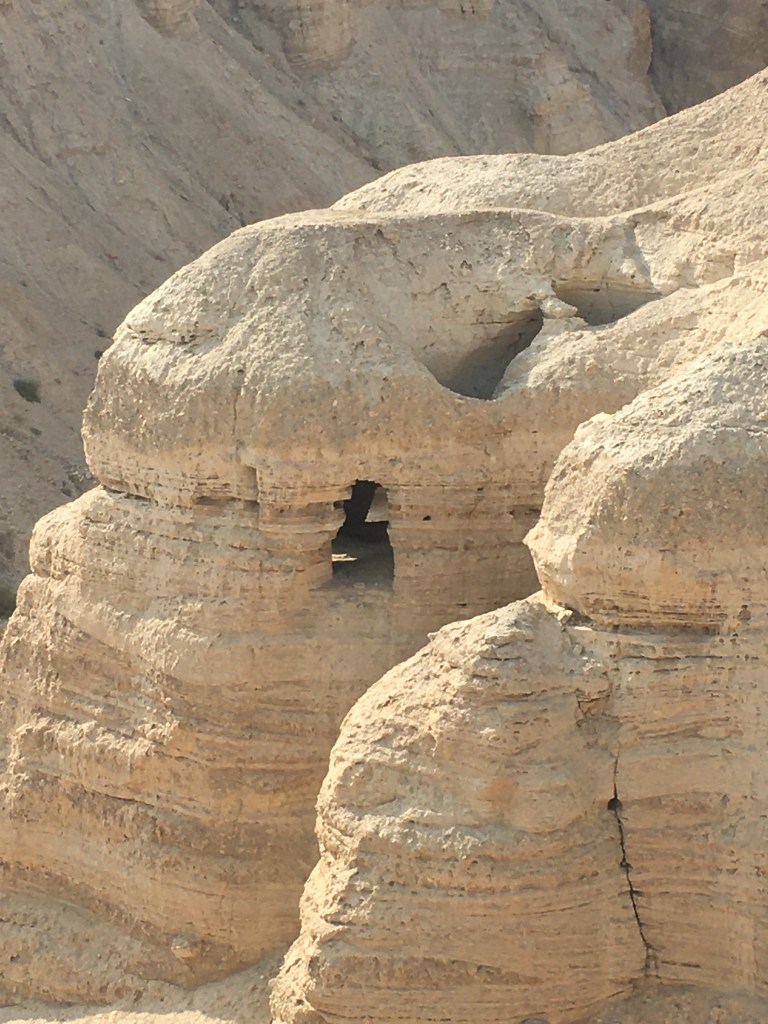
There are 11 total caves that have been discovered 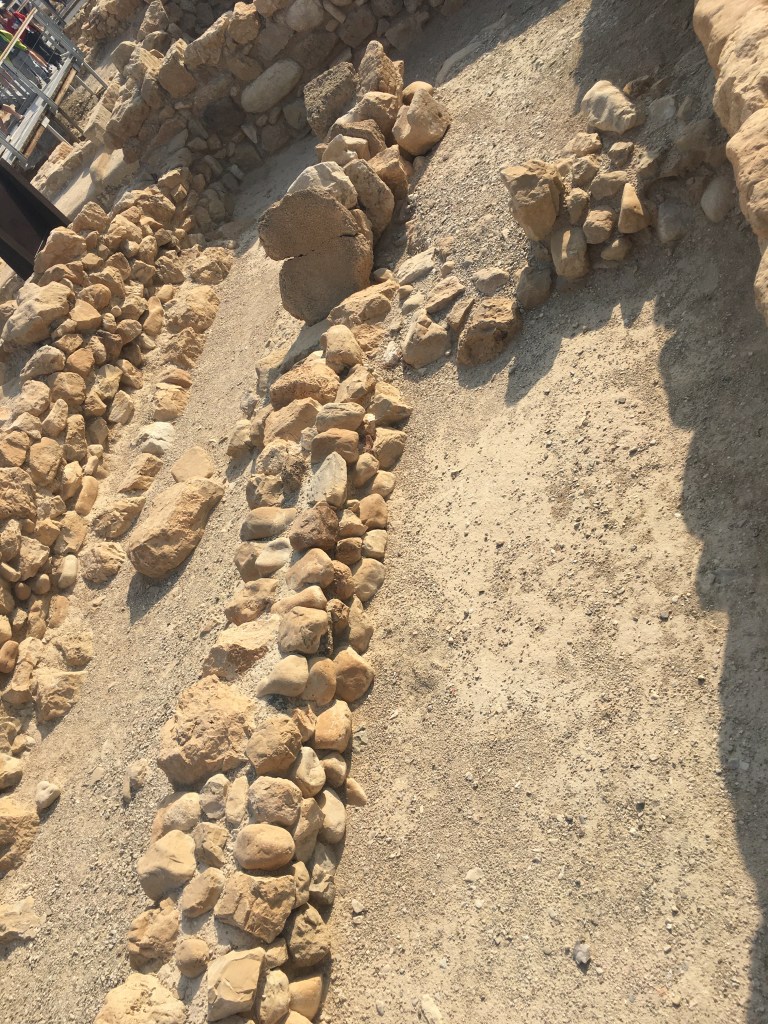
Walls of homes in shape of cross (unintentional but still cool) 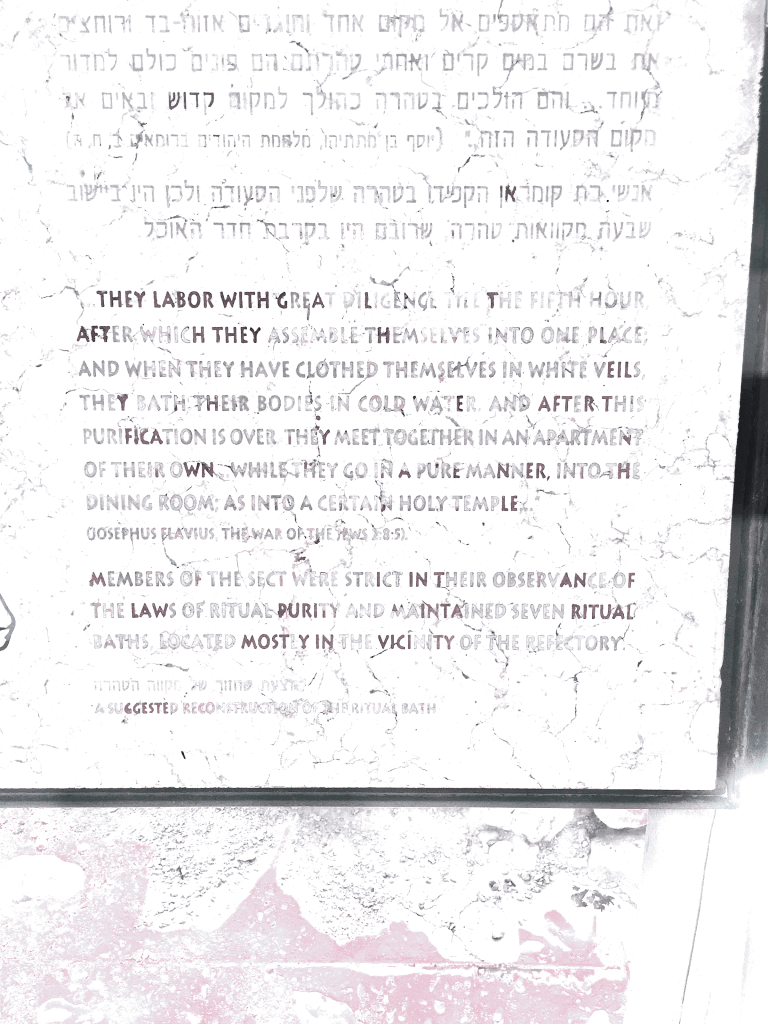


 Kevin & Aly: Travel to Israel
Very nice post! Great blog! 💜 If you want take a look at our article about Lake Plastiras! A beautiful lake in Greece with mountains all around, a waterfall nearby and amazing forest! You may find it interesting! If you like our article and our blog, follow us and we will follow you back! Thanks a lot! 🙏 http://www.eatdessertfirstgreece.com
instagram @eatdessertfirstgreece
LikeLike